UK inflation at 3.1%: the Bank of England's problem
UK inflation rose to 3.1% with motor fuels 23% higher than a year earlier — the number behind the BoE's split committee. Here is the print's anatomy and what it means for sterling.
News
Central bank decisions, economic data, gold and oil, and plain-English guides to how currency trading works. Every article links to its primary sources.
UK inflation rose to 3.1% with motor fuels 23% higher than a year earlier — the number behind the BoE's split committee. Here is the print's anatomy and what it means for sterling.
Two trades on correlated pairs are often one trade twice the size. Here is how to measure the correlation, group your exposure, and keep several positions from becoming one bet.
Fuel prices are pushing inflation up across the UK, the US and Canada — and the central banks are answering differently. Here is the shock's anatomy, its fingerprints in the data, and what it means for currencies.
Crosses like EUR/GBP and EUR/JPY remove the dollar and trade two economies directly. Here is what changes without the dollar, and when the crosses are the cleaner trade.
Cable answers to the Bank of England, the UK's data calendar and sterling's political weather — on top of everything that moves the dollar. Here is the full driver map and how the stories interact.
Inflation is the input central banks watch most closely, which makes CPI the release that moves currencies most. Here is the transmission chain — from print to policy to price — and why the details beat the headline.
GBP/JPY combines sterling's energy with the yen's sensitivity to rates and risk, producing the widest ranges in the majors. Here is how the cross works and how to trade it without being shaken out.
EUR/GBP removes the dollar and trades the euro against sterling on their own merits — two central banks, two inflation stories, one pair. Here is how it works and how to trade it.
The London open brings the day's real volume, and the first hours set the ranges the rest of the day trades. Here is how the open behaves, which pairs wake up, and how to trade it with a plan.
Rate decisions move currencies through the vote, the statement and the press conference — not just the rate itself. Here is how to read all four parts and trade the day with the risk controlled.
GBP/USD, nicknamed cable, is the most volatile of the major dollar pairs. Here is what drives it, how its session behaviour differs from EUR/USD, and how to build a plan around its moods.
News moves currency pairs faster than anything else in the market. Here is how to trade news releases with a plan, not a prayer — including the releases that matter, the risks around the release minute, and three strategies that respect both.
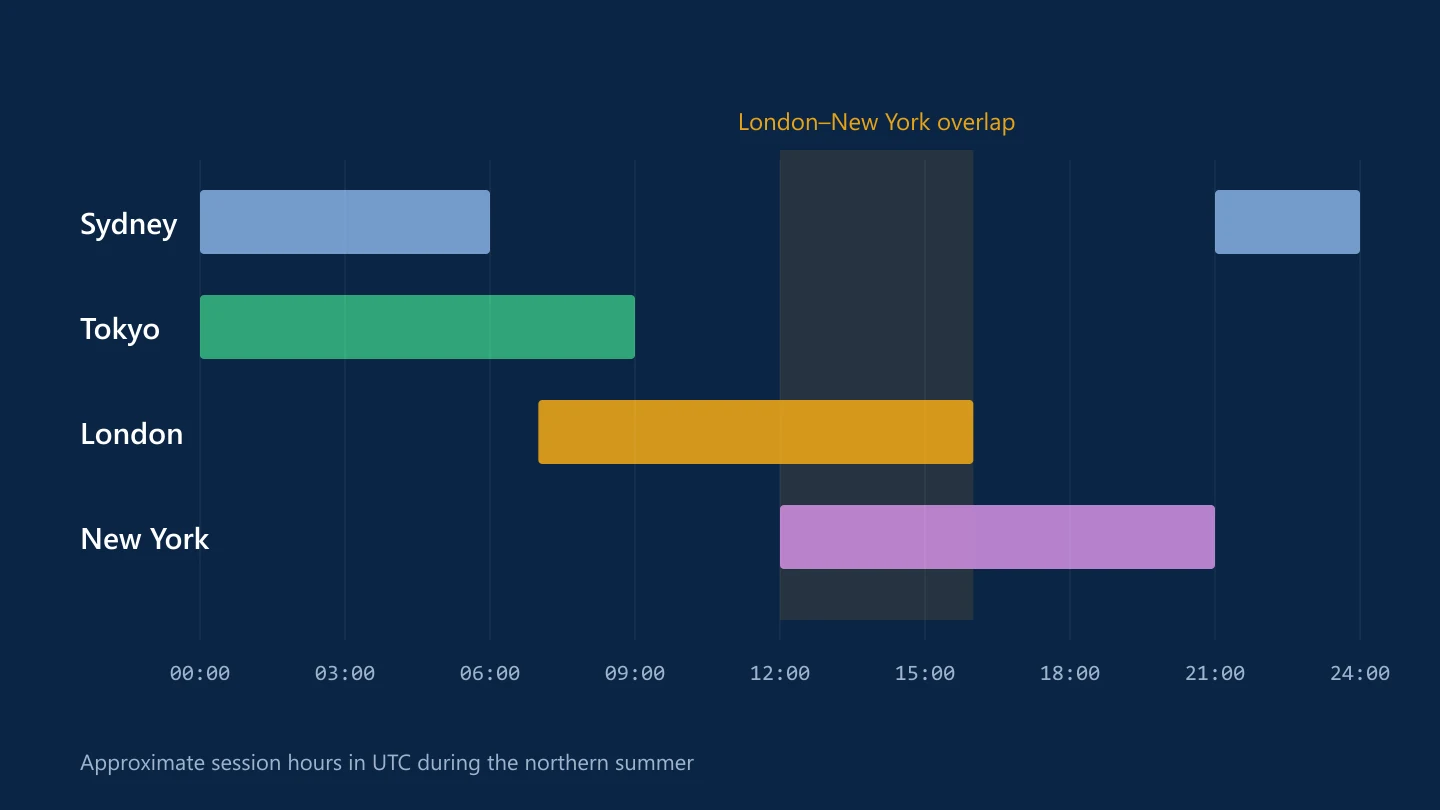
Currencies trade around the clock on weekdays, but not with the same liquidity. Session times in UTC, the overlaps that matter and the daylight-saving trap.
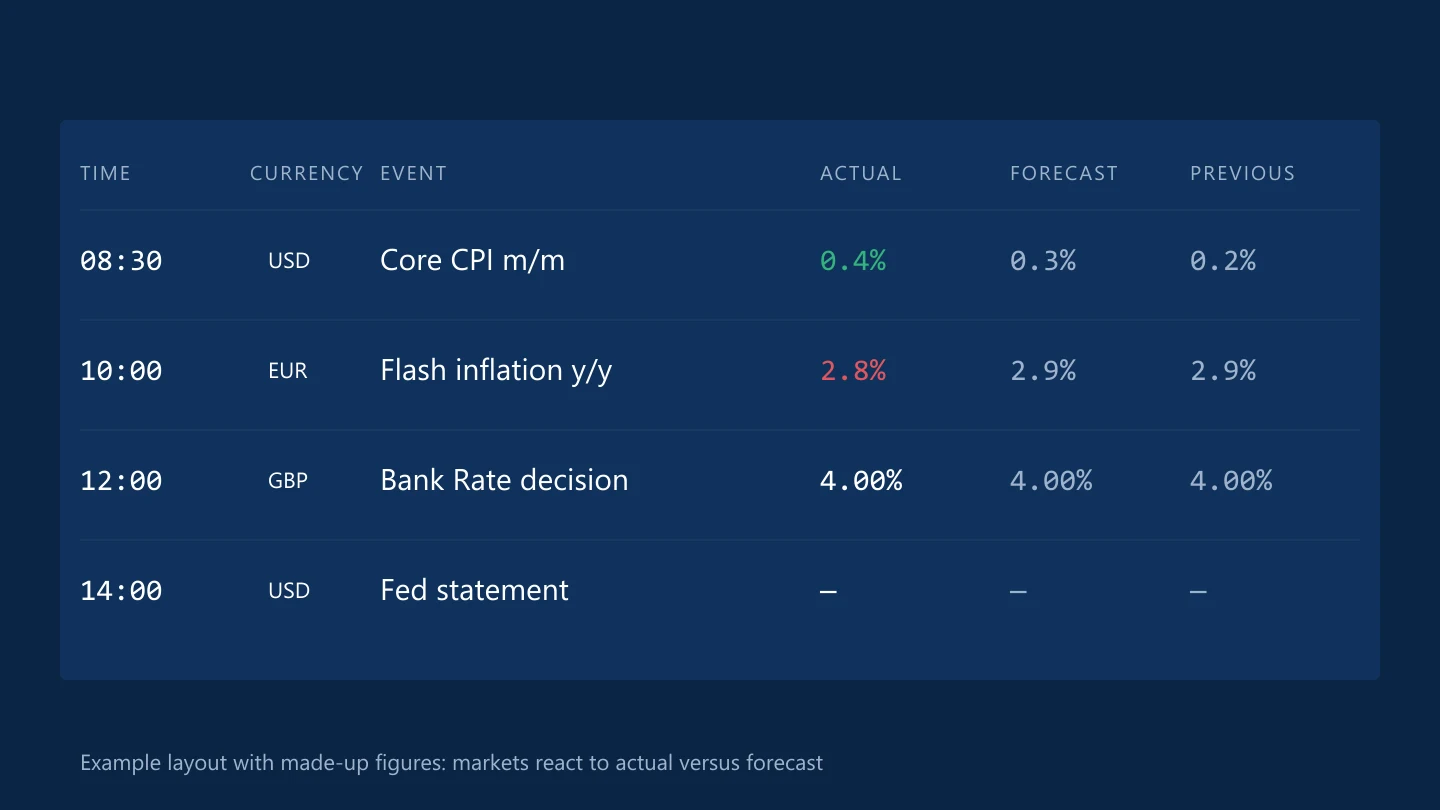
The economic calendar tells you when markets are likely to move. Here is what each column means and how traders use it to plan the week.
The consumer price index is the inflation figure markets watch most closely. What it measures, why core CPI matters and how it links to interest rates.
Central bank decisions are the biggest scheduled events in forex. Why rates matter, why a hike can weaken a currency, and what to read beyond the decision.
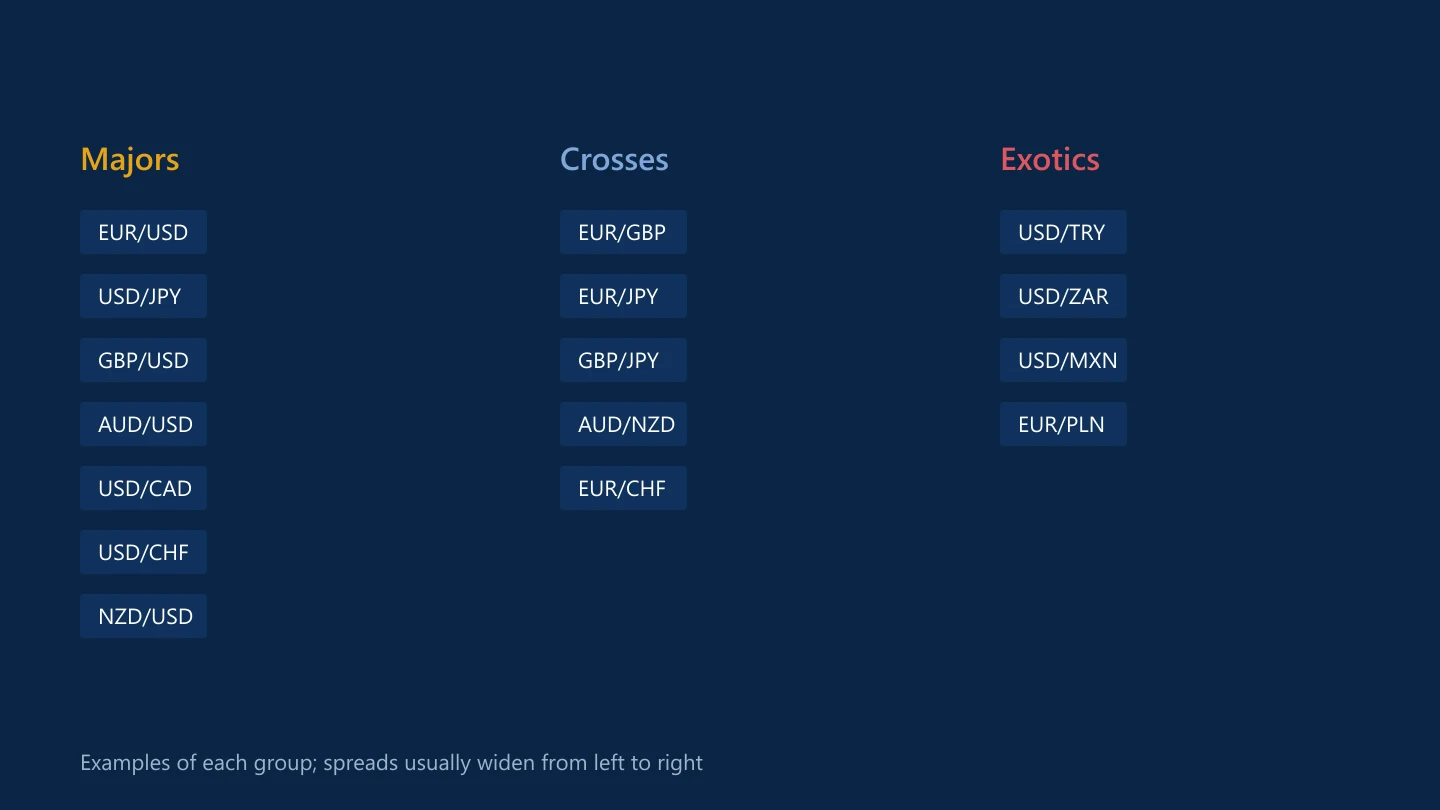
How to read a currency quote, which pairs count as majors, crosses and exotics, and why spreads and risks differ so much between them.
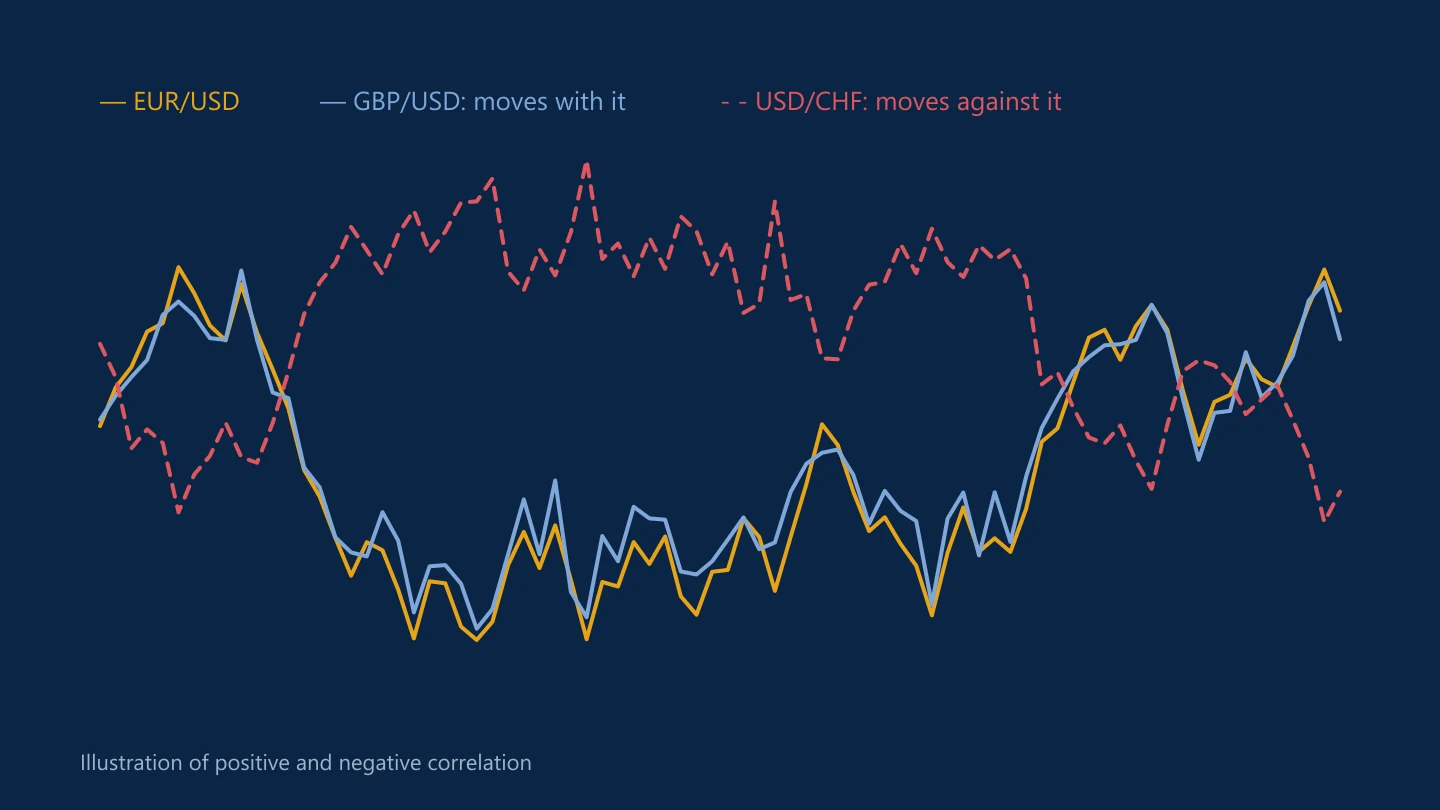
Pairs that share a currency or an economic driver tend to move in step. How correlation works, why it changes and how it can quietly double your risk.
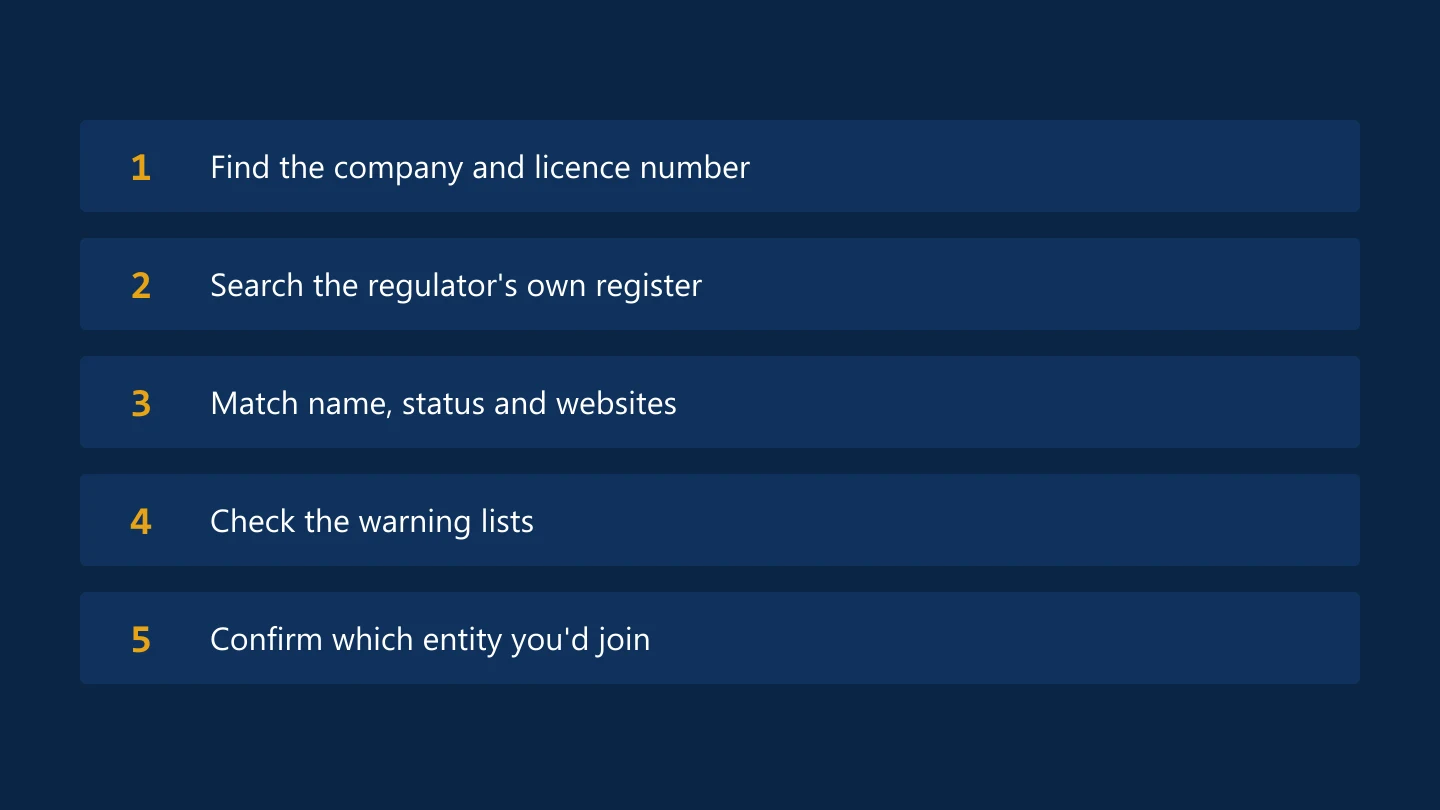
A licence number on a website proves nothing until you have checked it yourself. A step-by-step check using regulators' own registers, and the tricks clone firms use.
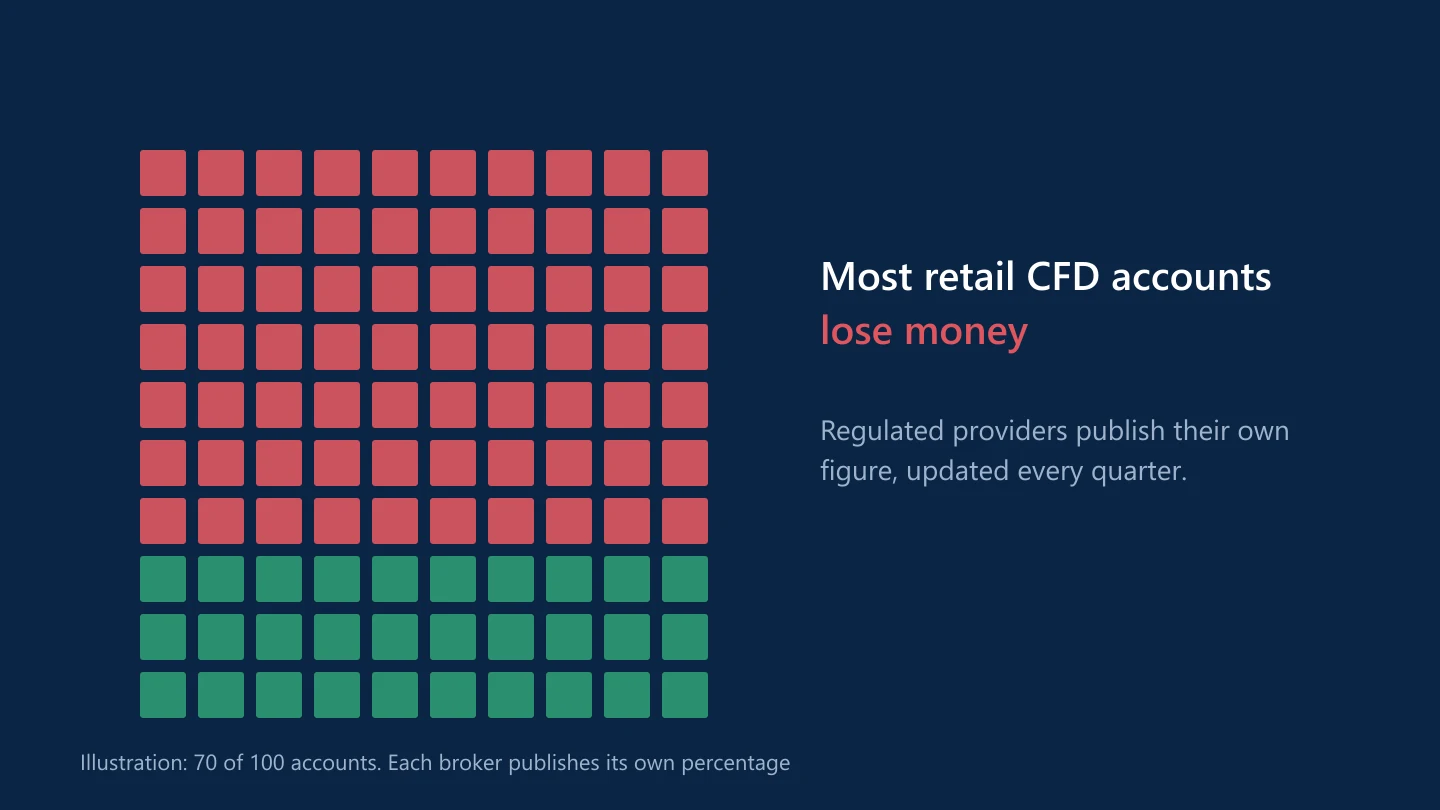
Regulated CFD brokers must publish the share of their retail clients who lose money. How the figure is calculated, what it tells you and what it doesn't.
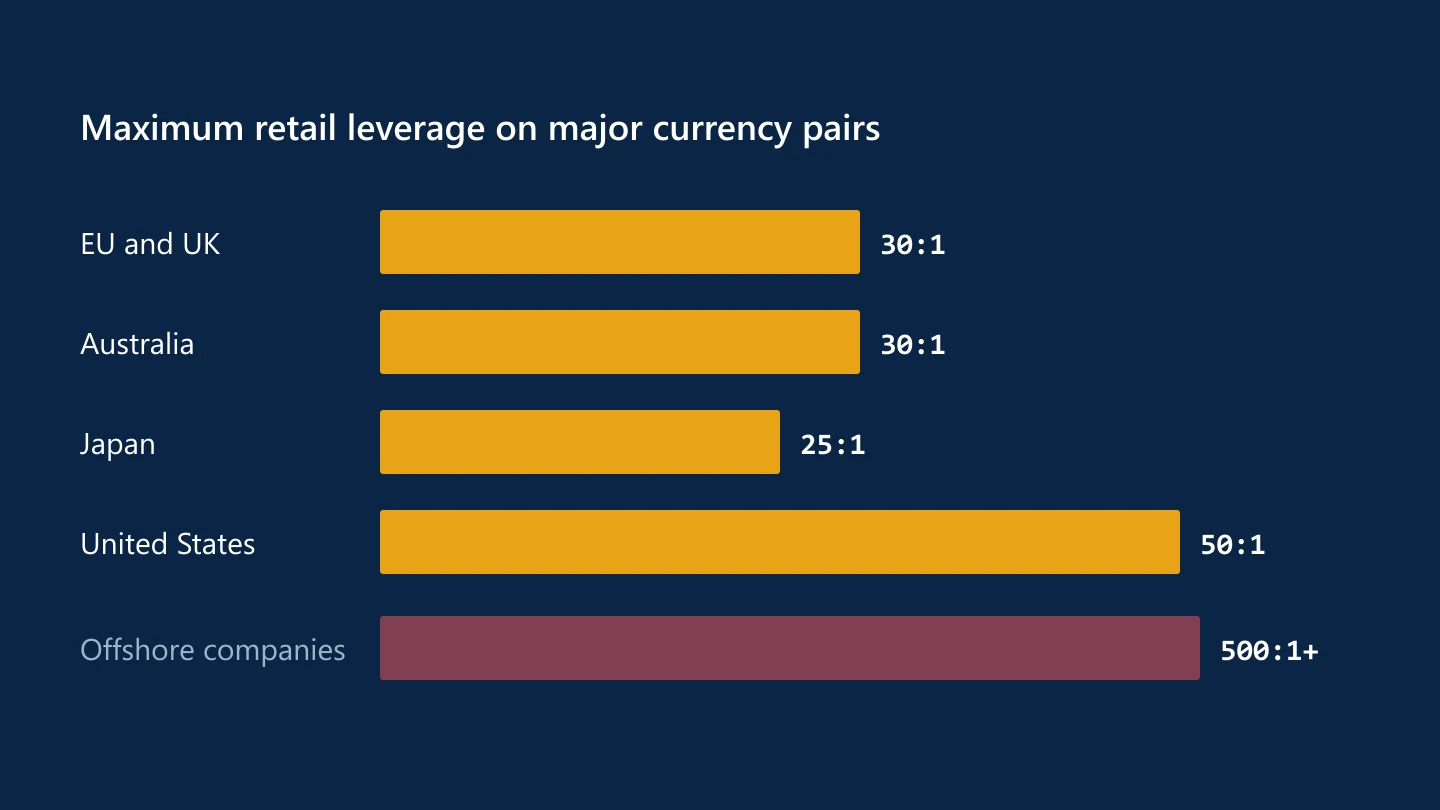
Regulators cap how much leverage brokers can give retail clients. The limits by market and region, and what professional status changes.
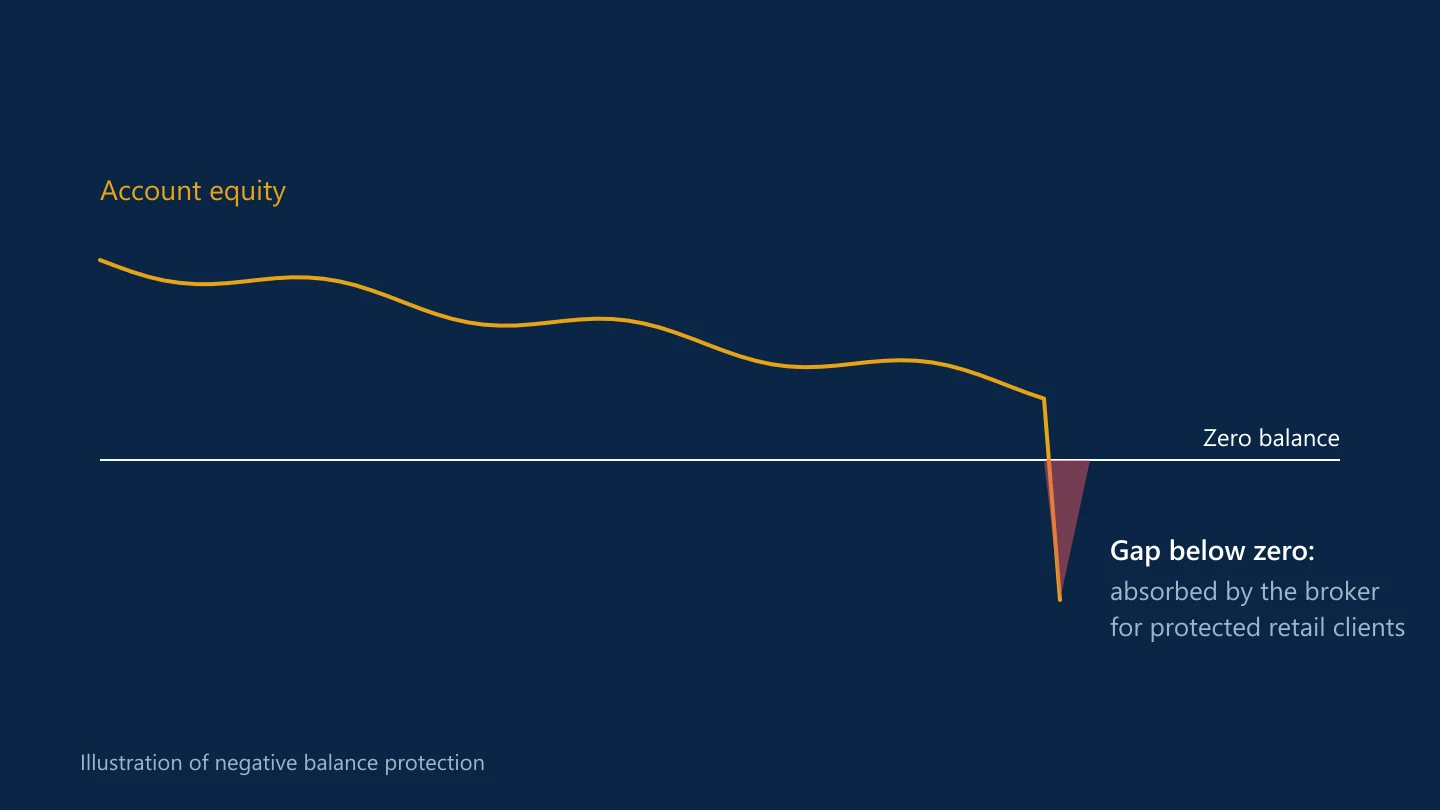
What happens to your money if a trade goes badly wrong, or if your broker goes bust? The protections that apply in the UK, EU, Australia and the US, and their limits.
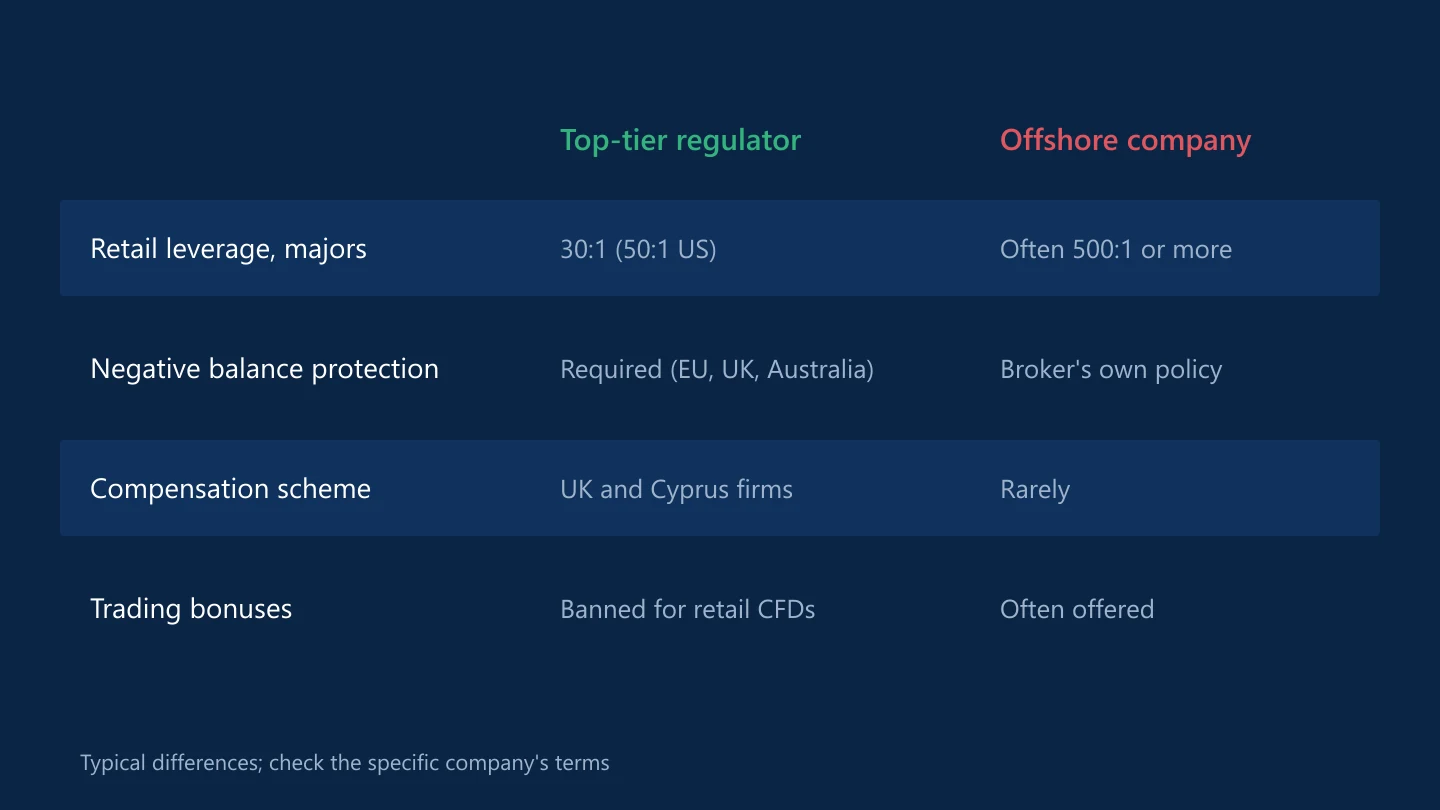
Many well-known brands open accounts for clients in some countries through offshore companies. What you gain in leverage and what you give up in protection.
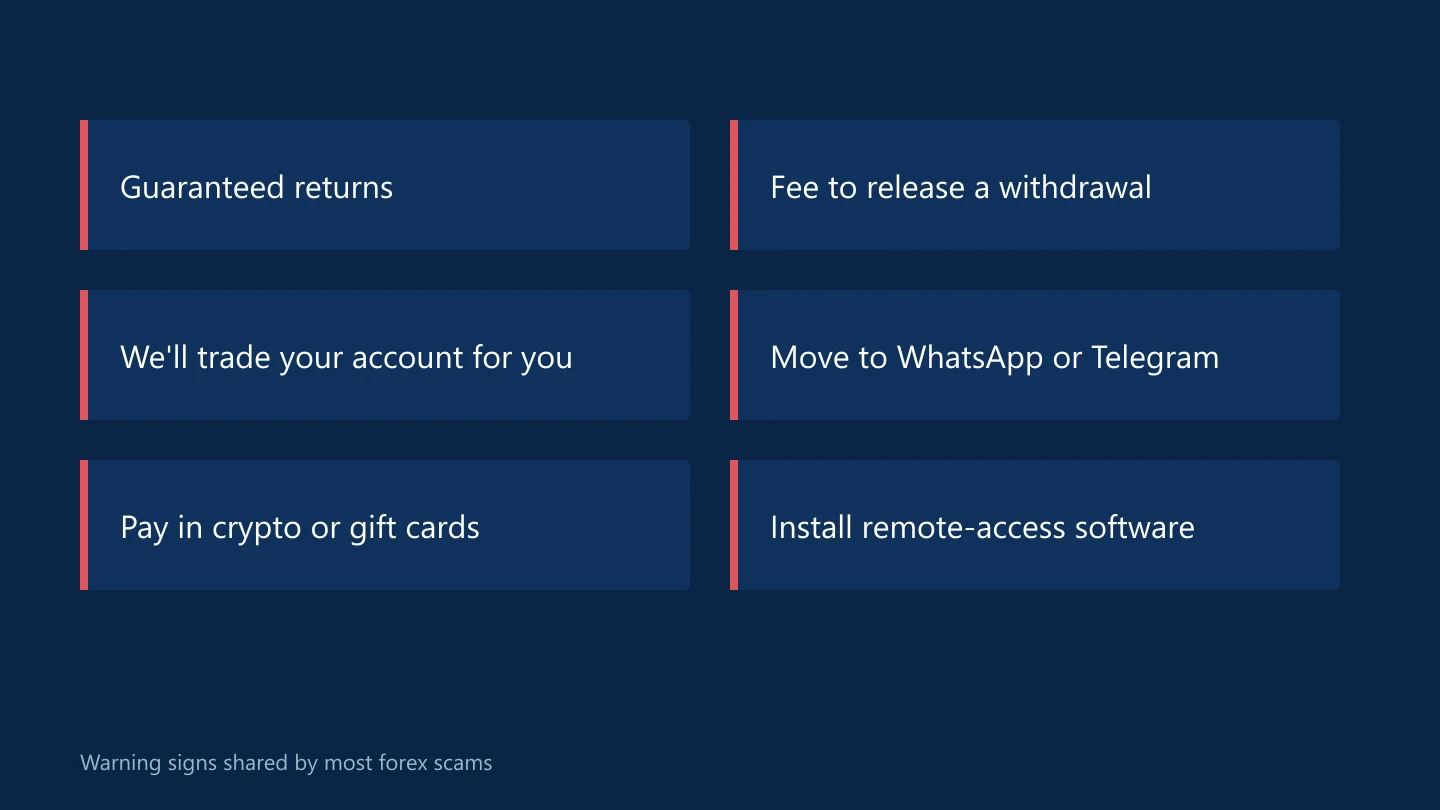
Fake brokers, signal sellers, account managers and romance-investment schemes all target forex traders. The patterns they share and what to do if you have been caught.
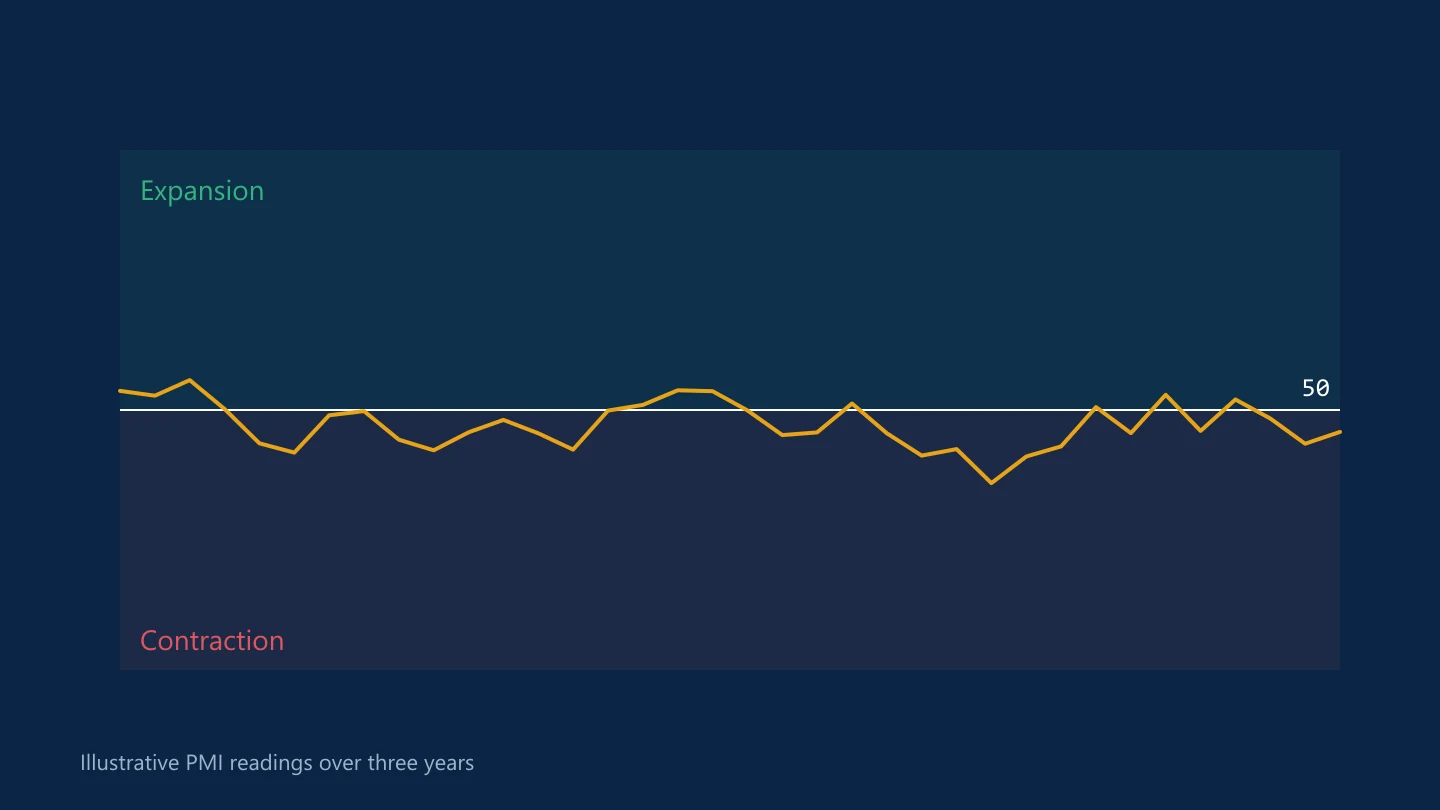
Purchasing managers' indexes are among the first economic numbers published each month. What the 50 line means, which PMIs matter and how traders use them.
On 16 September 1992 the UK raised interest rates and spent billions defending the pound, then left the Exchange Rate Mechanism that evening. What happened, why, and what changed afterwards.
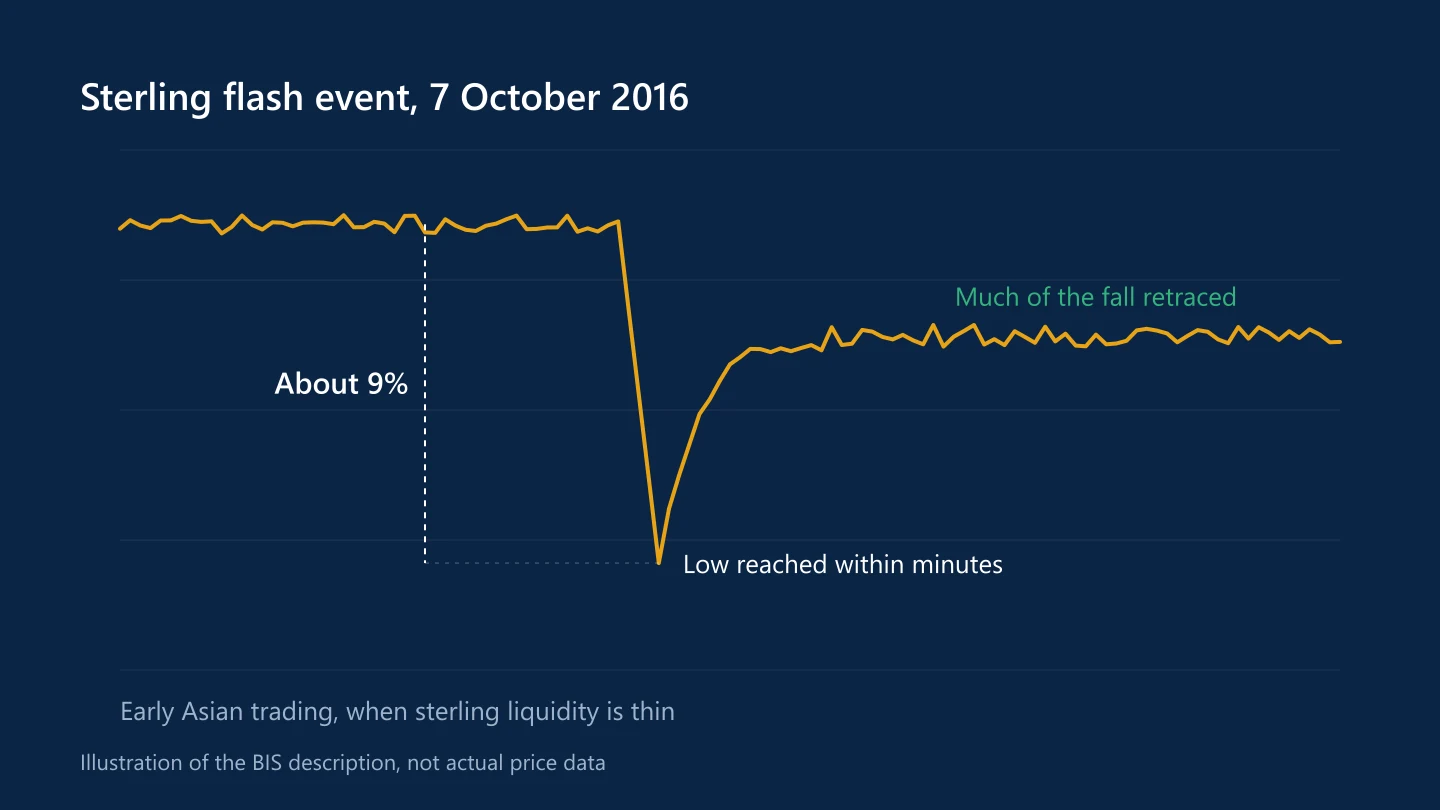
Sterling fell about 9% against the dollar in early Asian trading before recovering much of the move. The BIS found no single cause. What it concluded, and what it means for your stops.