CPI explained: headline and core inflation for forex traders
The consumer price index is the inflation figure markets watch most closely. What it measures, why core CPI matters and how it links to interest rates.

The consumer price index, or CPI, measures the change in prices paid by consumers for a basket of goods and services. Every major economy publishes one, and for currency traders it is one of the most important releases each month, because inflation drives central bank decisions.
Headline and core
- Headline CPI covers the whole basket, including food and energy.
- Core CPI removes food and energy, whose prices swing with weather, harvests and oil markets.
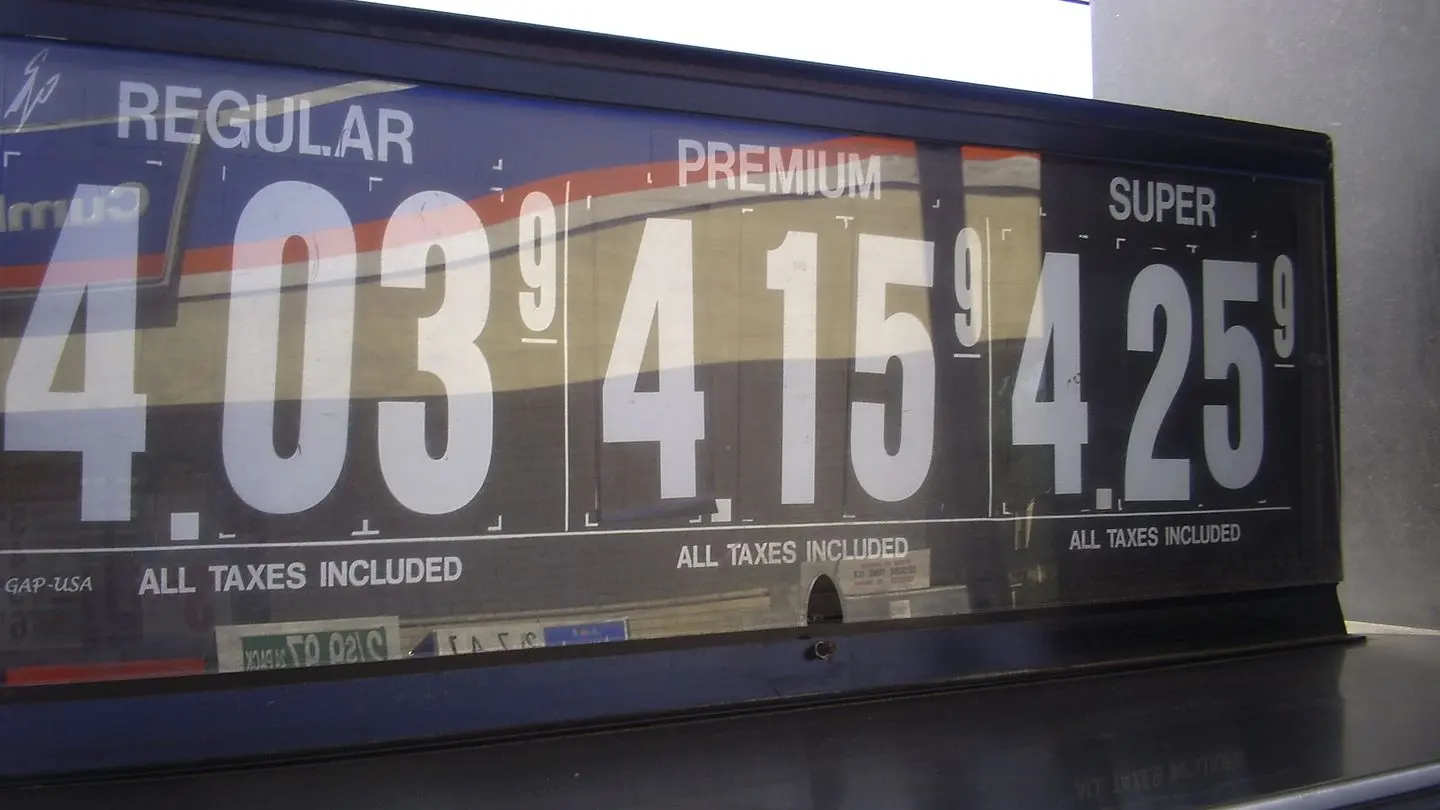
Central banks look at both, but markets often react more to core inflation, because it is a better guide to the underlying trend. When energy prices jump, the two can diverge sharply. In August 2026, US headline CPI was 3.4% on the year while core CPI was 2.4%, because gasoline prices were 27.4% higher than a year earlier.
Monthly and annual rates
Releases show the change on the previous month and on the same month a year earlier. Traders watch the monthly figures for signs of a change in trend. Annual rates can rise or fall because of base effects: a big price jump twelve months earlier dropping out of the calculation can pull the annual rate down even if prices are rising steadily now.
How CPI moves currencies
- Higher-than-expected inflation raises the chance that the central bank keeps rates higher for longer, or raises them.
- Expectations of higher rates tend to support the currency.
- Lower-than-expected inflation tends to do the opposite.
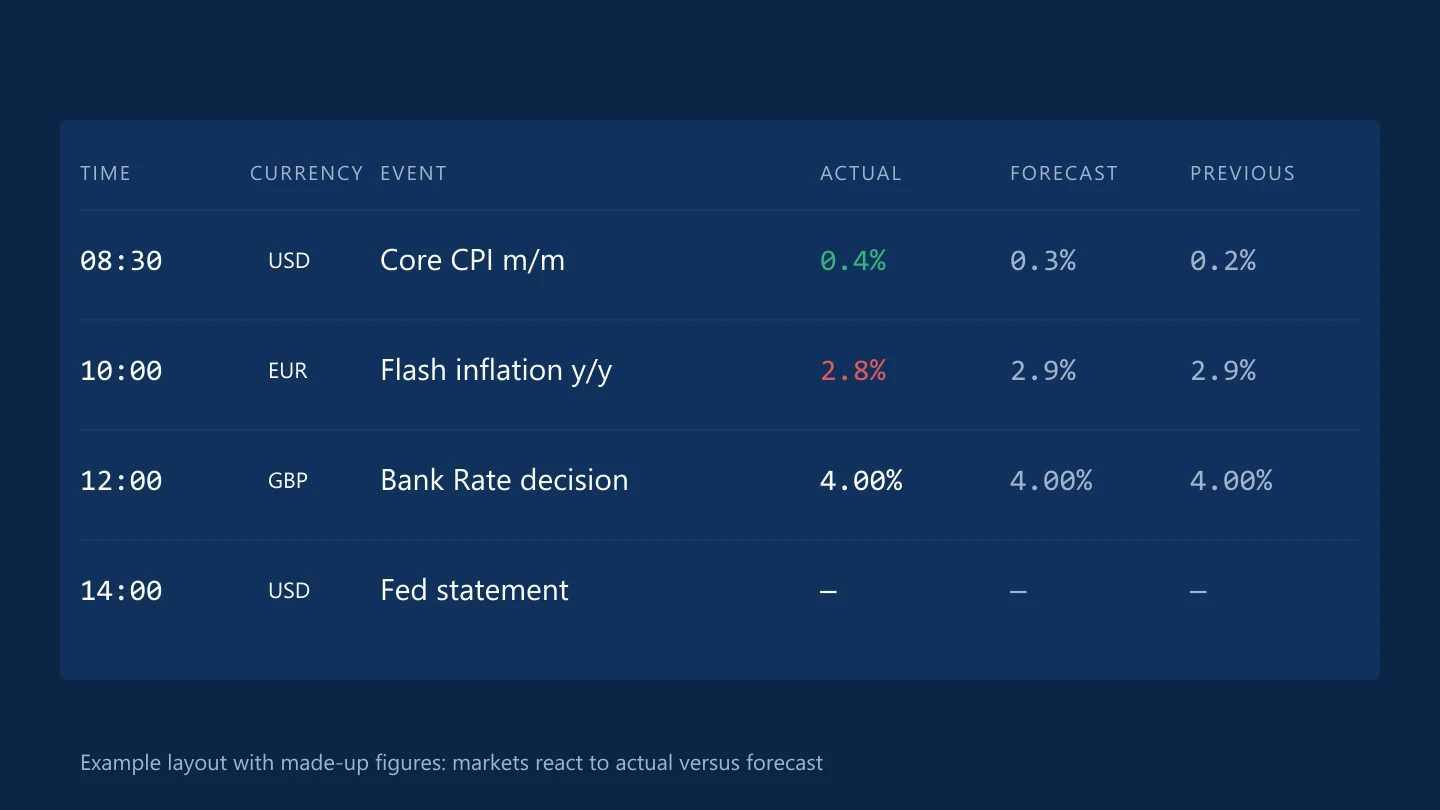
The reaction depends on the surprise against the forecast, not on the level itself.
The US release
The US Bureau of Labor Statistics publishes CPI around the middle of each month at 8:30 a.m. New York time. Shelter costs are the largest single component and change slowly, which is one reason US core inflation is persistent.
The Federal Reserve's 2% inflation target is defined in terms of a different measure, the personal consumption expenditures (PCE) price index. CPI still moves markets more on the day, because it comes out first.
Elsewhere
- Euro area: Eurostat publishes a flash estimate of harmonised inflation (HICP) at the start of each month.
- UK: the Office for National Statistics publishes CPI and CPIH, which includes owner occupiers' housing costs.
- Japan, Canada and Australia each publish their own measures; Australia's main release is quarterly, with a monthly indicator.
All of them are listed with their forecasts on the economic calendar. For how the numbers feed through to exchange rates, see how interest rate decisions move currencies.
Sources
Common questions
What is the difference between headline and core CPI?
Headline CPI includes all items in the basket. Core CPI excludes food and energy, whose prices are volatile, to show the underlying trend in inflation.
What time is US CPI released?
At 8:30 a.m. New York time, usually around the middle of the month, by the Bureau of Labor Statistics.
Does the Fed target CPI?
The Fed's 2% target is defined using the PCE price index rather than CPI, but CPI is released earlier and is closely watched by markets.
This article is for information only and is not financial advice. Trading forex and CFDs carries a high risk of losing money. Read the risk warning. Spotted an error? Tell the editors.
Comments
Log in to join the discussion. Comments follow the community guidelines.
Log in to commentLoading comments…