Black Wednesday, 16 September 1992: how sterling crashed out of the ERM
On 16 September 1992 the UK raised interest rates and spent billions defending the pound, then left the Exchange Rate Mechanism that evening. What happened, why, and what changed afterwards.
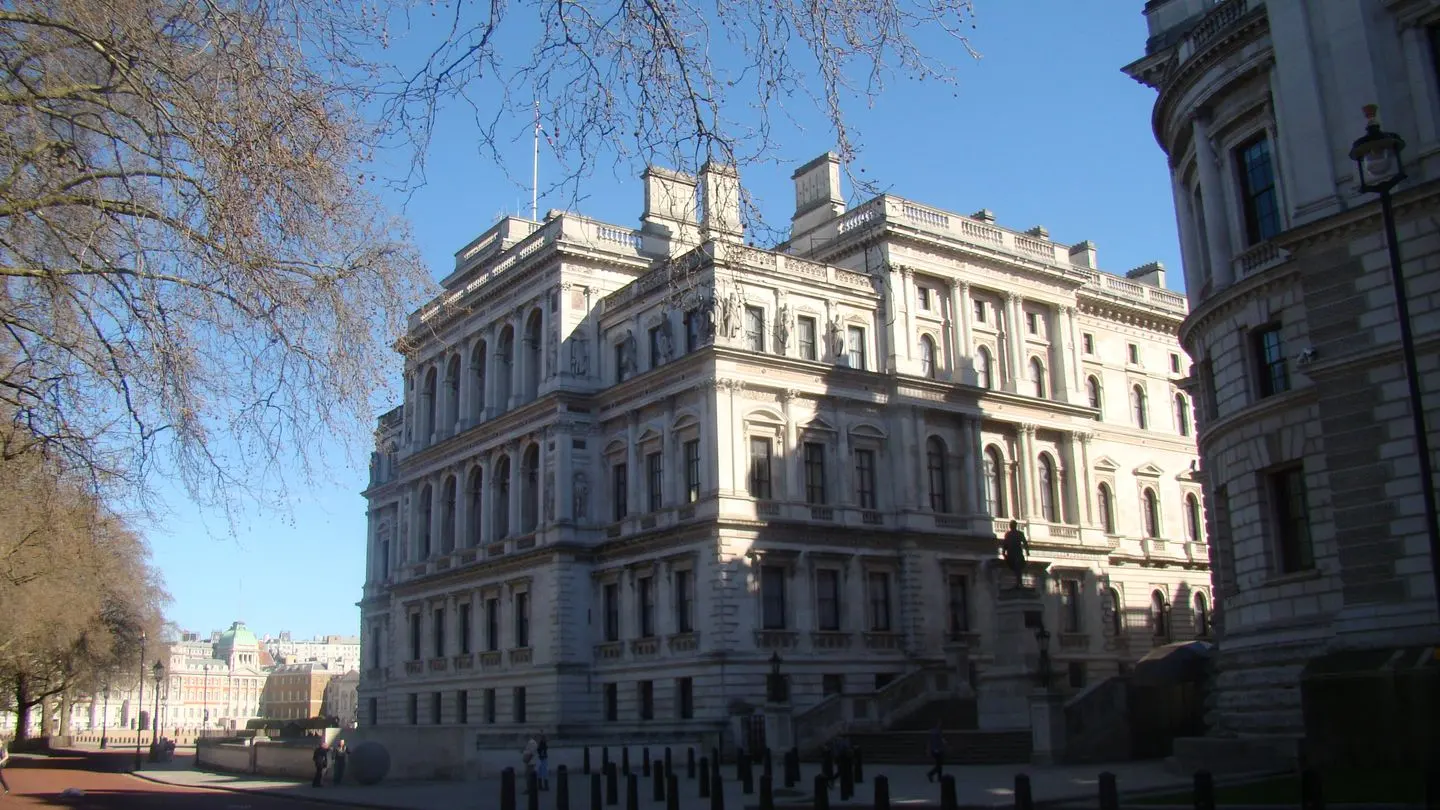
Black Wednesday is the name given to 16 September 1992, the day the United Kingdom was forced to take sterling out of the European Exchange Rate Mechanism (ERM). It remains one of the best-known examples of a government losing a battle with the currency market, and it changed how UK monetary policy is run.
The ERM and sterling's entry
The ERM was part of the European Monetary System. Member currencies were kept within bands around central rates against each other, with the Deutsche Mark as the anchor in practice. The UK joined in October 1990 at a central rate of 2.95 Deutsche Marks per pound.
Why the peg came under pressure
German reunification in 1990 brought large budget deficits. The Bundesbank, committed to price stability, raised interest rates to contain inflation. Other ERM members then had to keep their own rates high to hold their currencies within the bands, even when their economies needed the opposite. The UK was in recession, and high rates were hurting its housing market and growth. Markets began to doubt the government would keep paying that price, and hedge funds, most famously George Soros's Quantum Fund, built large bets against the pound.
The day itself
On 16 September, the Bank of England bought pounds in large amounts and the government raised interest rates from 10% to 12%, then announced a further increase to 15%. Neither stopped the selling. That evening, the Chancellor of the Exchequer, Norman Lamont, announced that sterling's membership of the ERM was suspended, and the rise to 15% never took effect. The pound floated and fell sharply in the weeks that followed.
Writing for the Economics Observatory, economic historian John Turner puts the Bank of England's intervention at about $22 billion.
What changed afterwards
- Inflation targeting. Within weeks, the UK adopted an inflation target, initially a range of 1–4% for retail price inflation excluding mortgage interest payments.
- Bank of England independence. In May 1997 the Bank was given operational independence to set interest rates, the system that still runs today with a 2% inflation target set by the government (inflation targets).
- A lasting lesson. A fixed exchange rate is only as strong as a government's willingness to bear its costs. When markets believe those costs have become too high, the pressure can overwhelm large reserves. The same logic appears in the Asian financial crisis and the Swiss franc shock of 2015.
For how central banks defend currencies, see currency intervention explained. Sterling's live price is on the GBP/USD page.
Sources
Common questions
What happened on Black Wednesday?
On 16 September 1992, the UK government raised interest rates and the Bank of England bought pounds to keep sterling inside the Exchange Rate Mechanism. When that failed, the government suspended sterling's ERM membership that evening.
What interest rates did the UK set on Black Wednesday?
Rates were raised from 10% to 12%, and a further rise to 15% was announced. The increase to 15% never took effect after the UK left the ERM.
Why did the UK leave the ERM?
High German interest rates after reunification forced other ERM members to keep their rates high. With the UK in recession, markets doubted the government would keep defending the pound, and the selling overwhelmed its defence.
This article is for information only and is not financial advice. Trading forex and CFDs carries a high risk of losing money. Read the risk warning. Spotted an error? Tell the editors.

Comments
Log in to join the discussion. Comments follow the community guidelines.
Log in to commentLoading comments…