News
Forex trading guides: page 2
Central bank decisions, economic data, gold and oil, and plain-English guides to how currency trading works. Every article links to its primary sources.
More articles
How to trade the dollar index: DXY strategies
The dollar index condenses the dollar's strength against six currencies into one number — and its euro-heavy weighting shapes everything about how it trades. Here is how to use it as a filter, a signal and an instrument.
How to trade USD/CNH: the yuan's managed float
The offshore yuan trades inside a policy-managed band, with the PBOC's daily fix setting the frame. Here is how the managed float works and how to trade around it.
How to trade USD/ZAR: the rand's volatility premium
The South African rand pays one of the highest carries in the liquid EM complex and charges for it in volatility. Here is how the pair works, what drives the rand, and how to trade it without being run over.
How to trade USD/MXN: carry, risk and the peso
The Mexican peso is the liquid emerging-market currency: high carry, deep market, and sensitivity to US policy and risk appetite. Here is how the pair works and how to trade it.
How to trade oil (WTI and Brent): supply, demand and rollover
Crude is the world's most political market, with two benchmarks, weekly inventory data and a rollover quirk that surprises new traders. Here is how it works and how to trade it.
How to trade silver: the wilder metal
Silver follows gold's macro story and adds its own industrial demand layer — and its swings are wilder than either. Here is what drives it, how it differs from gold, and how to trade it without oversized risk.
How to trade EUR/JPY: risk appetite in one pair
EUR/JPY bundles the euro's policy story with the yen's haven status into the market's favourite sentiment cross. Here is what drives it and how to trade it.
How to trade GBP/JPY: the wildest major cross
GBP/JPY combines sterling's energy with the yen's sensitivity to rates and risk, producing the widest ranges in the majors. Here is how the cross works and how to trade it without being shaken out.
How to trade EUR/GBP: the cross that isolates Europe
EUR/GBP removes the dollar and trades the euro against sterling on their own merits — two central banks, two inflation stories, one pair. Here is how it works and how to trade it.
How to trade USD/CHF: the franc's two faces
The Swiss franc is a safe haven and an SNB-managed currency at once, and USD/CHF trades both stories. Here is how the two faces interact, what the SNB's zero rate means, and how to trade the pair.
How to trade NZD/USD: the kiwi's quiet character
The New Zealand dollar is the smallest major and one of the least understood. Here is what drives the kiwi, how the RBNZ's aggressive style shapes it, and how to trade a pair few others watch carefully.
How to trade AUD/USD: China, commodities and the RBA
The Australian dollar is a China proxy, a commodity currency and a risk-appetite barometer all at once. Here is how the three roles interact, which one leads, and how to trade the pair.
How to trade USD/CAD: oil, the BoC and the loonie
USD/CAD answers to two masters: the oil price and the interest-rate gap between the Fed and the Bank of Canada. Here is how the pair works, when each master dominates, and how to build a plan around it.
How to trade (or avoid) weekend gaps
The market closes Friday and reopens Sunday, and the price in between can be very different. Here is why gaps happen, what they do to your stops, and how to trade — or simply survive — the Monday open.
How to trade the first hour of a session safely
The first hour of a session is the most liquid, most volatile and most deceptive hour of the day. Here is what happens in it, why most first-hour trades fail, and how to trade it without becoming the liquidity.
How to trade ranging markets: the range trader's playbook
Markets spend more time ranging than trending, and most trend systems bleed in the chop. Here is how to define a range precisely, trade its edges, and recognise the moment it ends.
How to trade with moving averages: setups and filters
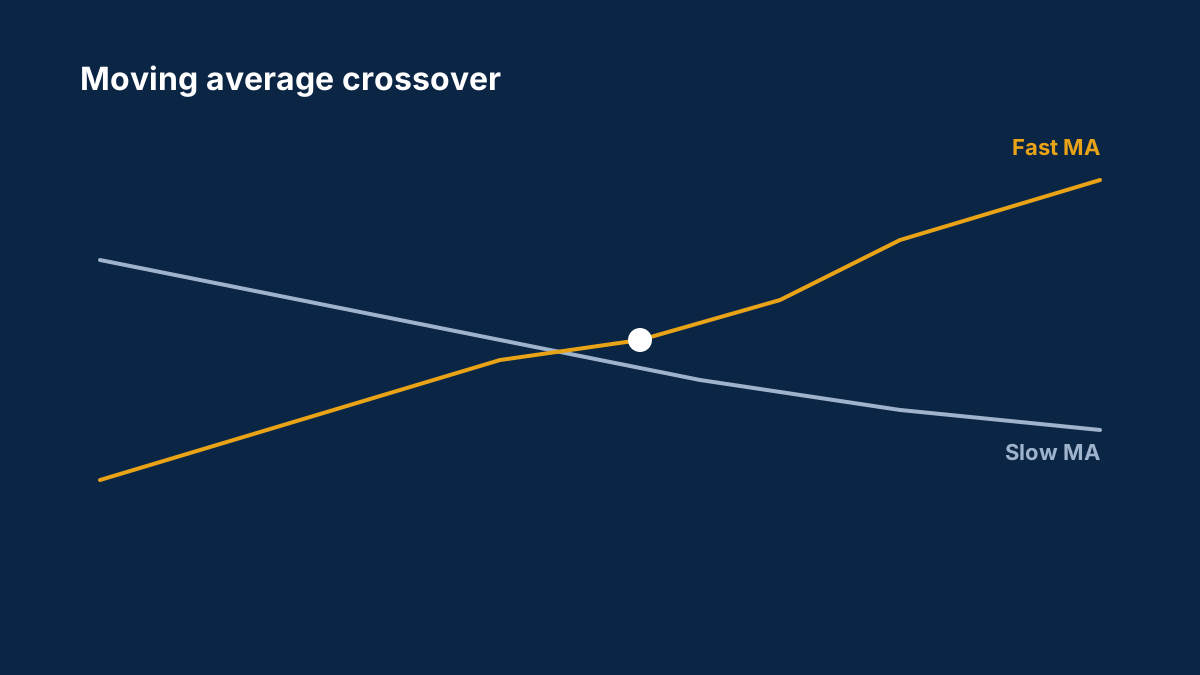
The moving average is the oldest trend tool in trading and the most misused. Here is what it actually measures, how professionals use it as a filter and a level, and why crossover systems need extra care.
How to read price action: candles, structure and context
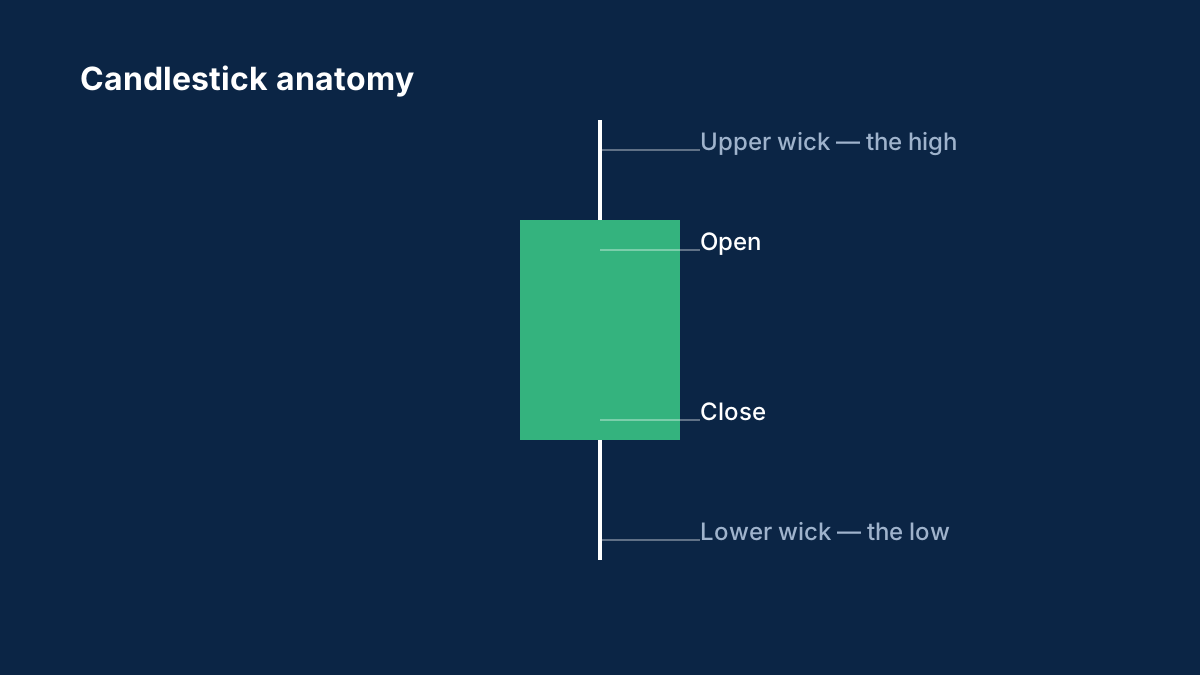
Price action is the market's own language — candles, structure and levels, read in context. Here is how professionals read it, what the rejection signatures mean, and how to practise until it becomes instinct.
How to size a forex trade in four steps
Position sizing is the calculation that keeps one bad trade from becoming a bad month. Here is the four-step method, with worked examples for dollar pairs, yen pairs and crosses.
How to use leverage responsibly: sizing for survival
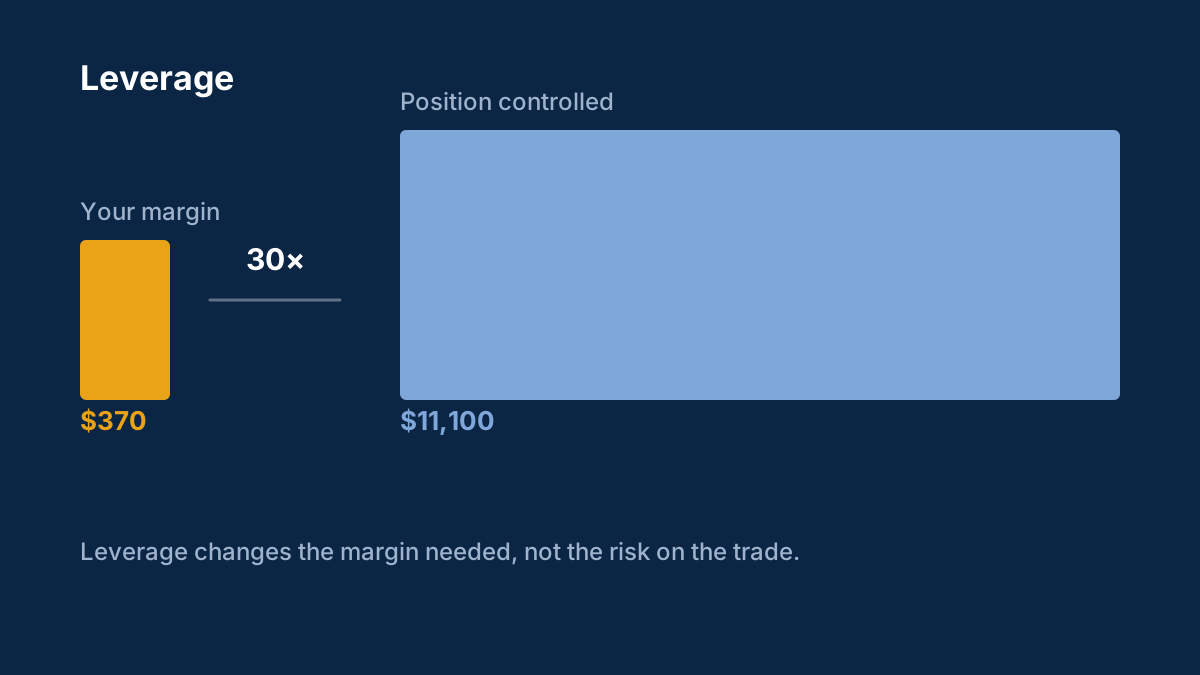
Leverage multiplies both the gains and the losses, and the account usually learns this before the trader does. Here is how offered leverage differs from used leverage, and how to set yours so a bad week stays a bad week.
How to trade trends: entry, exit and the patience between
Trend trading is simple in description and brutal in execution: small losses, long waits and the occasional trade that pays for everything. Here is how to define a trend, enter it on pullbacks and stay in it without getting shaken out.
How to trade support and resistance levels properly
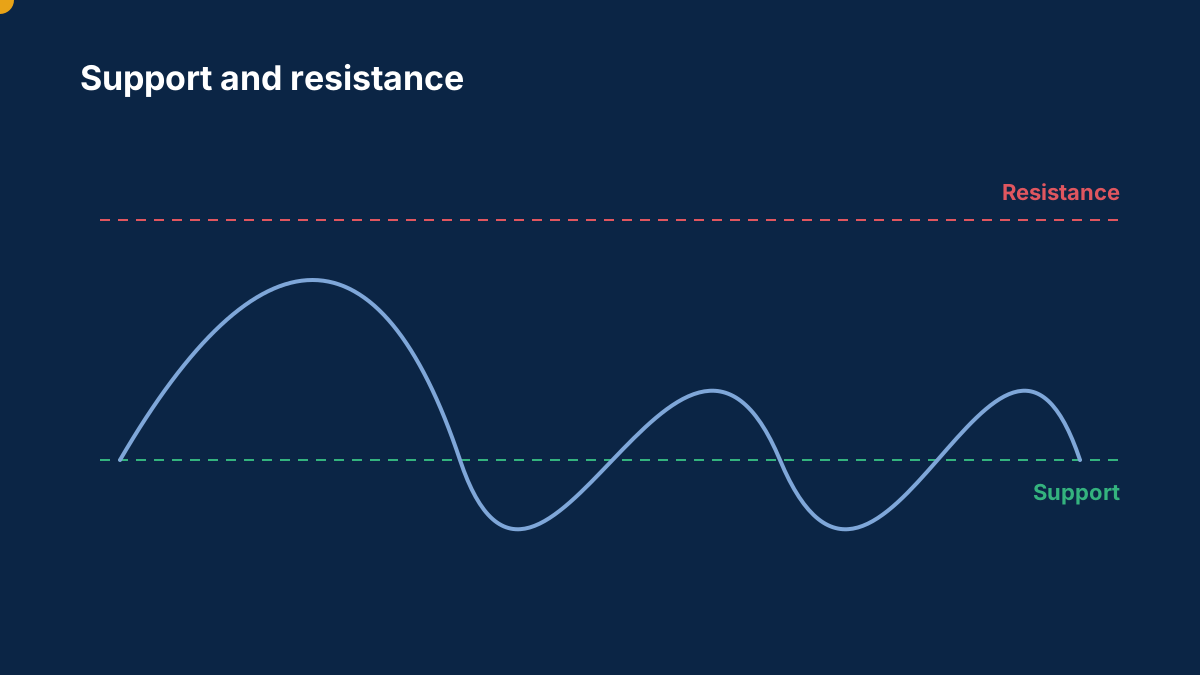
Support and resistance are the market's most used concepts and most misused lines. Here is how professionals draw them as zones, which touches count, and how to turn a level into a complete trade.
How to trade breakouts without buying the false ones
Most breakouts fail, and the ones that succeed usually let you in on the retest. Here is how to separate real breaks from stop-hunts, where to place the stop, and how to size the trade.
How to trade the London open: session strategies and risks
The London open brings the day's real volume, and the first hours set the ranges the rest of the day trades. Here is how the open behaves, which pairs wake up, and how to trade it with a plan.
How to trade Fibonacci retracements without hindsight
Fibonacci levels are everywhere on charts and nowhere near as precise as their fans claim. Here is what the retracement actually is, which levels matter, and how to trade it with the hindsight removed.
How to trade forex safely as a beginner: the first 90 days
The first ninety days decide whether a beginner becomes a trader or a cautionary tale. Here is a month-by-month plan that keeps the account alive while the skills form.
Why the US dollar moves the entire forex market
The dollar is one side of nearly every trade, the world's reserve currency and the pricing unit for commodities. Here is why its moves ripple through every pair, every market and every trading plan.
What happens to currencies when the Fed raises rates?
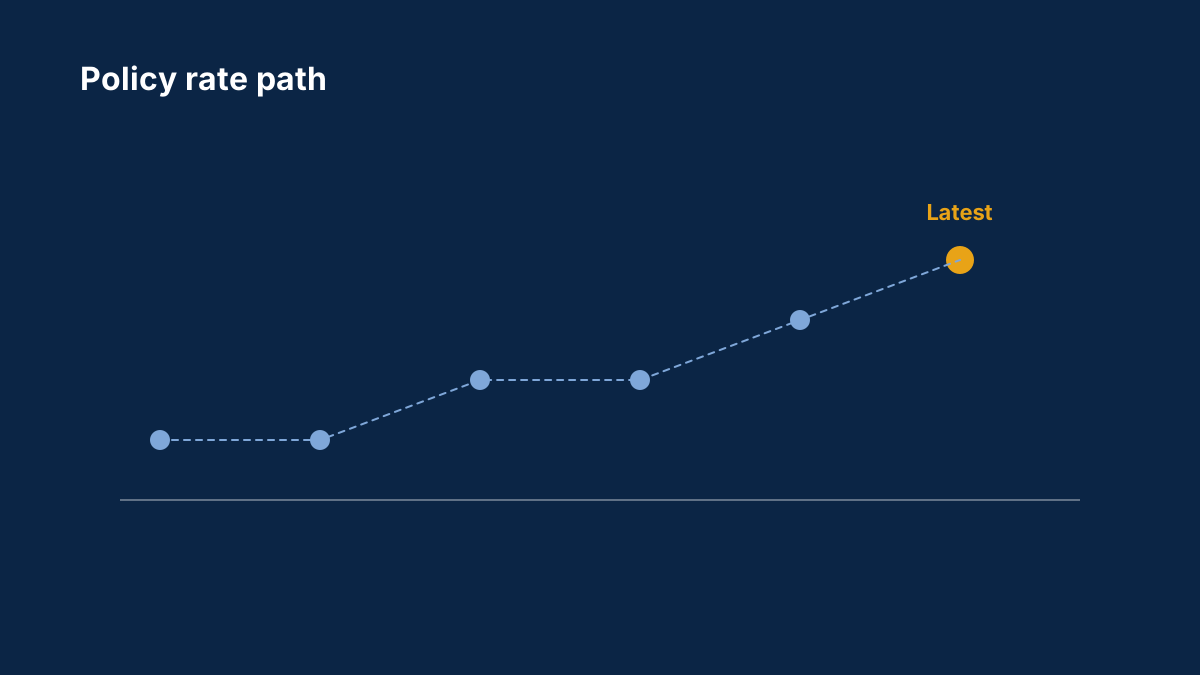
A Fed rate hike reprices the dollar against everything, but the move isn't always what the textbook says. Here is the transmission chain — expectations, yields, carry and risk — and what the September 2026 hike showed.
How to trade central bank decisions: the rate-day playbook
Rate decisions move currencies through the vote, the statement and the press conference — not just the rate itself. Here is how to read all four parts and trade the day with the risk controlled.
How to trade non-farm payrolls: an NFP playbook that respects the risk
Non-farm payrolls is the most scheduled-and-scripted volatility in forex. Here is what the report actually measures, why the details beat the headline, and how to trade the day with a plan instead of a guess.
How to trade CPI releases without getting run over
CPI mornings move every dollar pair at once, and the first move often lies. Here is how to read the report properly, what the market actually reacts to, and three ways to trade inflation day with the risk controlled.
How to build a forex trading plan that survives losing streaks
A trading plan is the difference between a system and a mood. Here is exactly what belongs in one, how to write it in an afternoon, and why the losing-streak test decides whether it is real.
How to trade gold (XAU/USD): drivers, strategies and risk
Gold moves in dollars per ounce, not pips, and its daily range dwarfs most currency pairs. Here is what actually drives the metal, how position sizing differs from forex, and how to trade it without getting shaken out.
How to trade USD/JPY: BoJ, carry and intervention risk
USD/JPY pays you for the rate gap and threatens you with intervention. Here is how the Bank of Japan, US yields and the threat of sudden yen-buying operations all fit into one trading plan.
How to trade GBP/USD (cable): what moves it and when
GBP/USD, nicknamed cable, is the most volatile of the major dollar pairs. Here is what drives it, how its session behaviour differs from EUR/USD, and how to build a plan around its moods.
How to trade EUR/USD: the complete beginner's guide
EUR/USD is the most traded currency pair in the world, with the tightest spreads and the deepest liquidity. Here is what moves it, when it moves, and how to build a trading plan around it.
How to trade the news: a step-by-step strategy guide
News moves currency pairs faster than anything else in the market. Here is how to trade news releases with a plan, not a prayer — including the releases that matter, the risks around the release minute, and three strategies that respect both.
What is a pip? How to calculate pip value, with examples
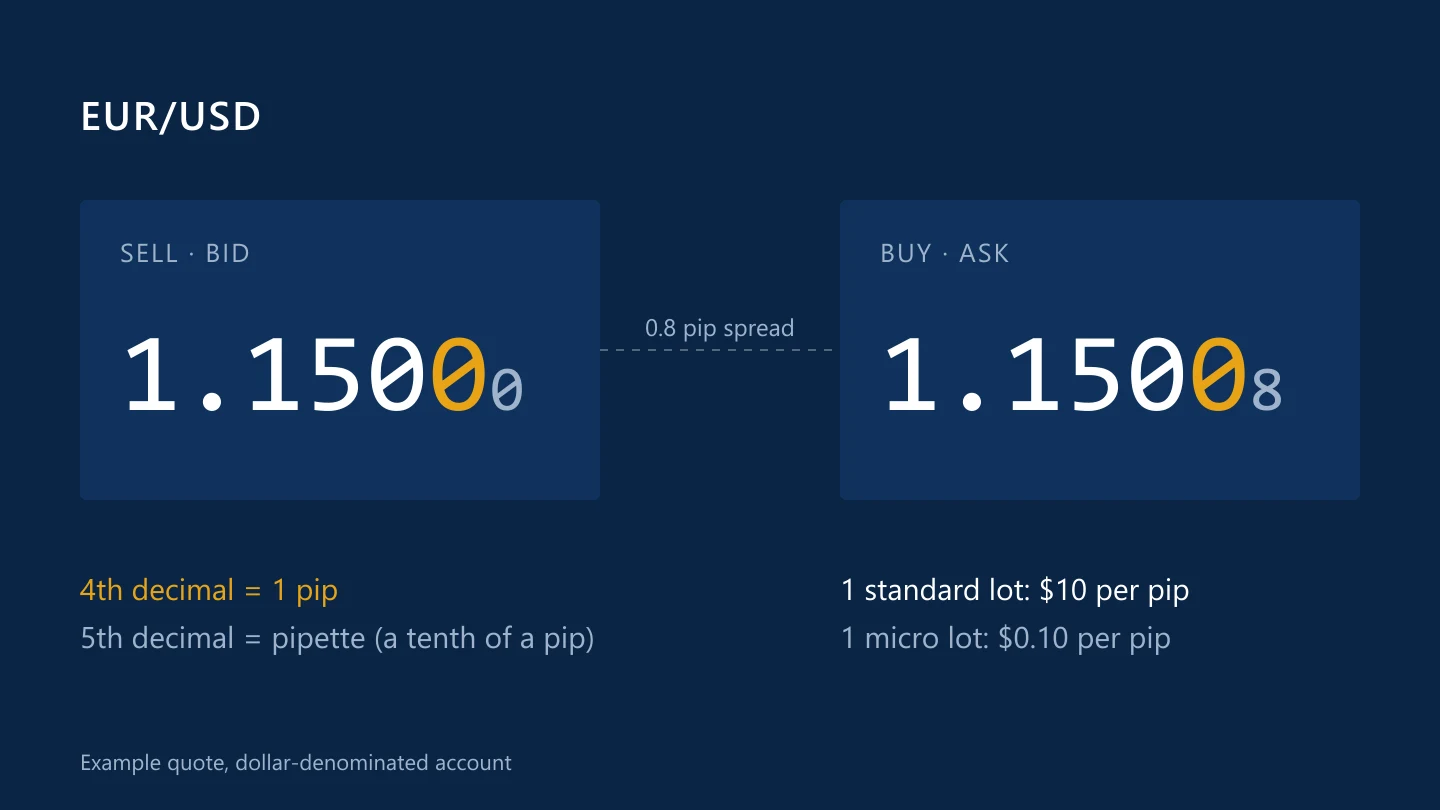
A pip is the smallest standard price step in a currency pair. Here is how pips, pipettes and pip values work on EUR/USD, USD/JPY, crosses and gold.
Lot sizes explained: standard, mini and micro lots
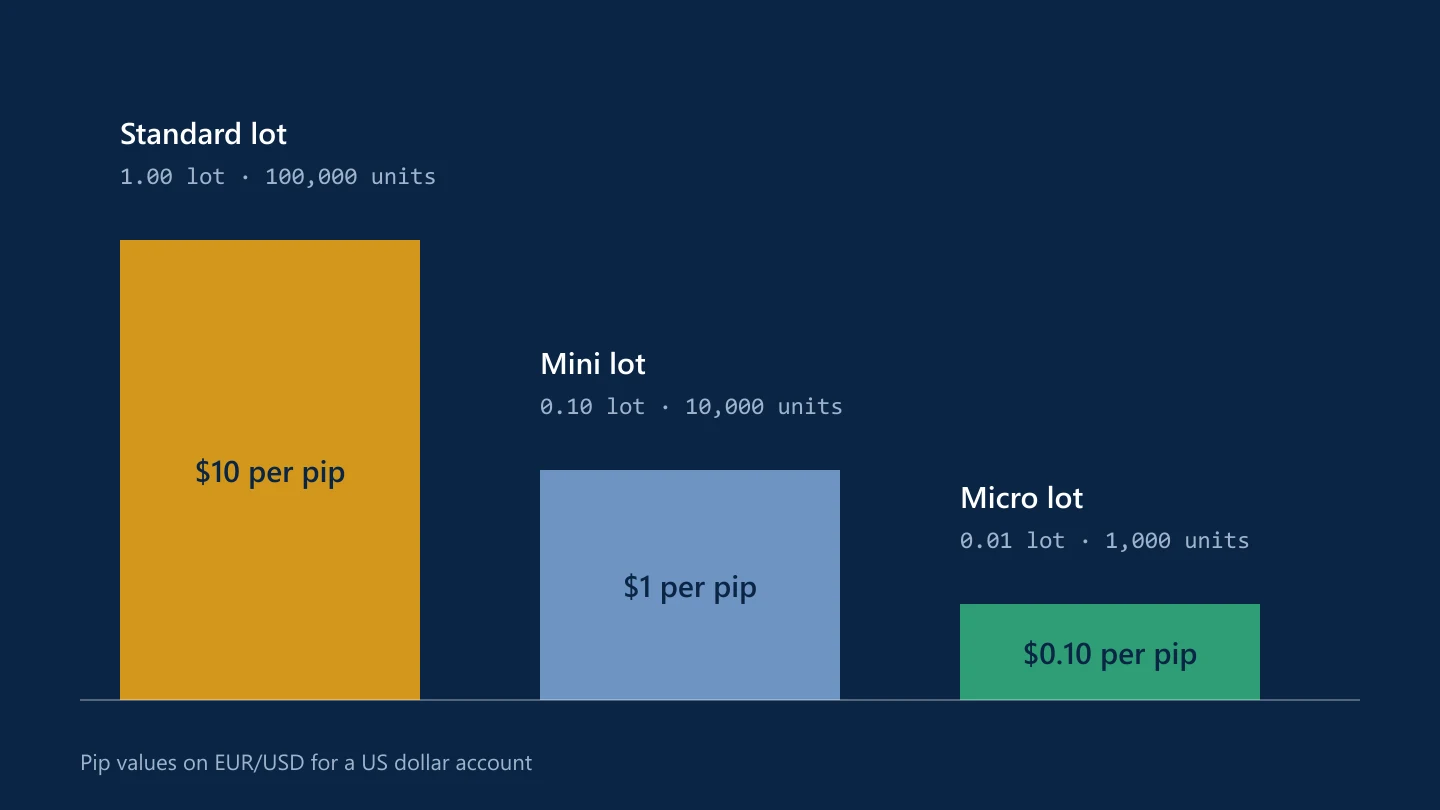
A lot sets how many units of currency you buy or sell. Getting it wrong is the fastest way to turn a small price move into a large loss.
Leverage and margin explained: margin calls, stop-outs and how losses grow
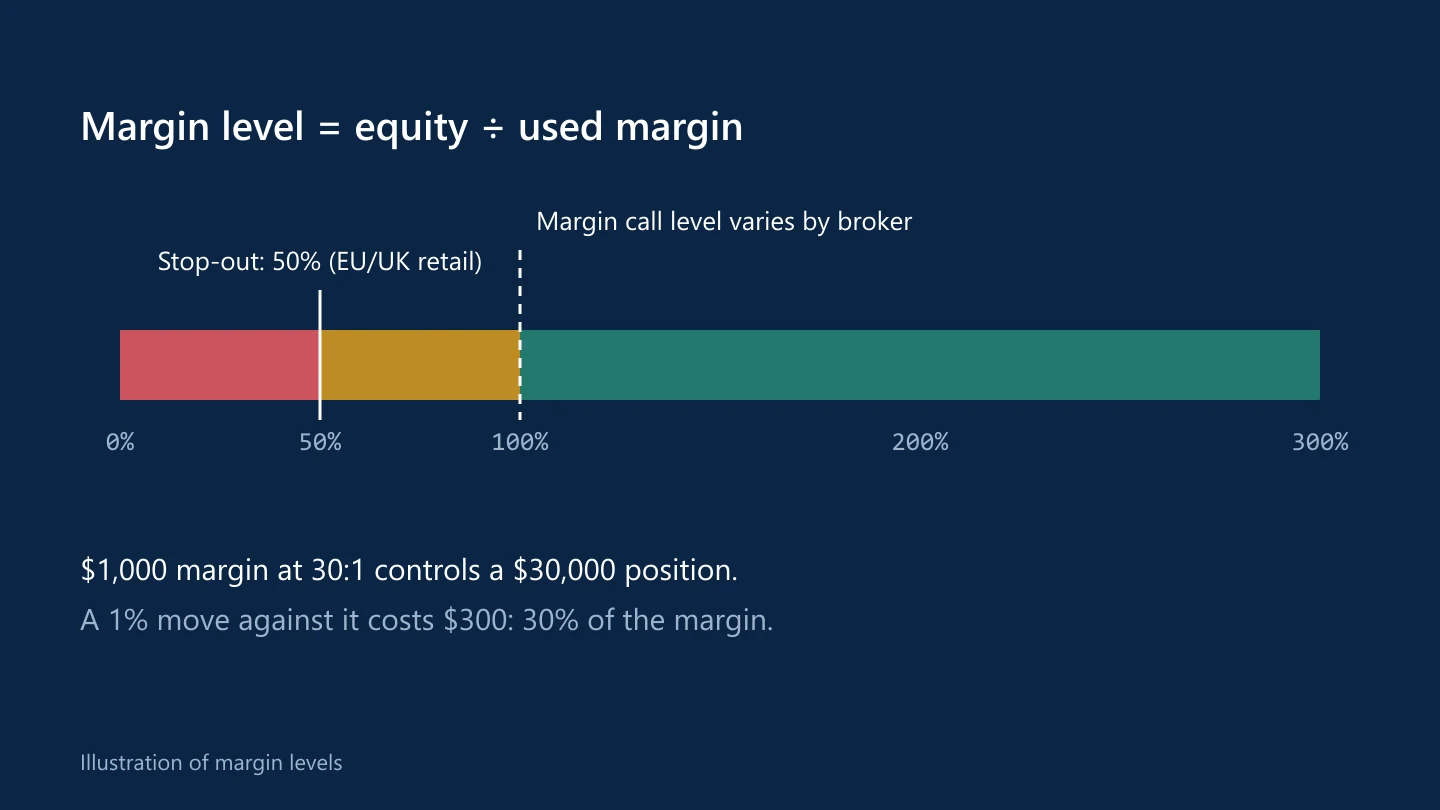
Leverage lets you control a large position with a small deposit. It magnifies losses exactly as much as gains, and it is behind most blown trading accounts.