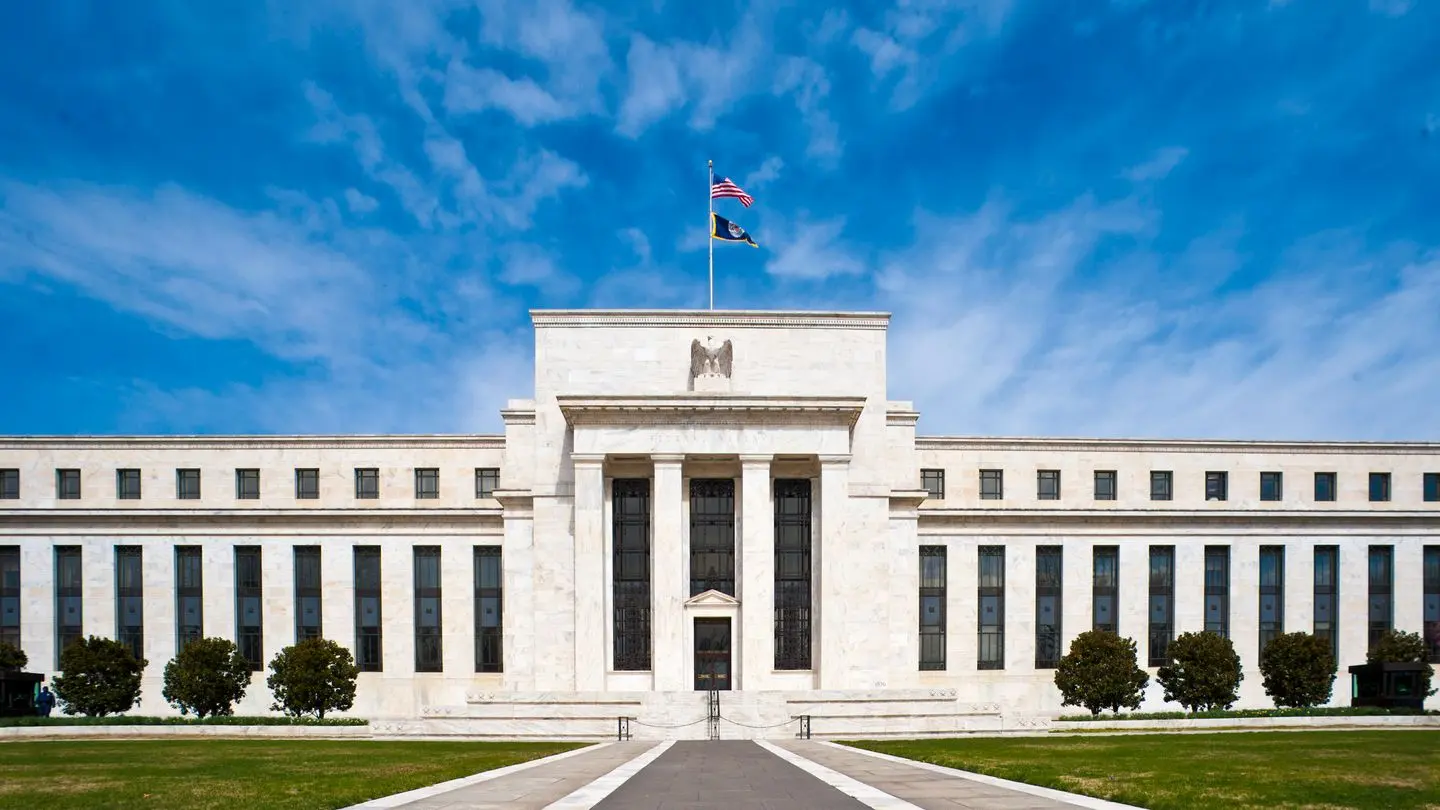
Fed decision on 16 September: what currency traders are watching
The FOMC meets on 15–16 September with new economic projections, after August data showed US consumer inflation at 3.4% and payrolls up 162,000.
News
Central bank decisions, economic data, gold and oil, and plain-English guides to how currency trading works. Every article links to its primary sources.
The FOMC meets on 15–16 September with new economic projections, after August data showed US consumer inflation at 3.4% and payrolls up 162,000.
The Bank of England announces its next Bank Rate decision on 17 September. In July it held at 3.75% on a 6–3 vote, and UK inflation has since risen to 2.9%.
Consumer prices rose 0.4% in August and 3.4% from a year earlier. Core inflation, which strips out food and energy, was 2.4%.
The BoJ kept its policy rate at 1.00% in July with one member voting for a hike. Since then, Tokyo and Washington have confirmed a joint intervention to support the yen.
Brent has held above $100 a barrel since 3 September. Tanker traffic through Hormuz has fallen sharply amid US–Iran strikes, and Houthi forces have seized a Red Sea port.
The metal trades more than 20% below its all-time high as higher interest rates in several economies compete with demand for safe assets.
The European Central Bank lifted its deposit rate to 2.50% on 10 September and now expects inflation to average 2.1% in 2028, still just above its target.
The SNB held its policy rate at zero in June and said it has an increased willingness to intervene if the franc appreciates too quickly.
Final demand prices were 5.4% higher than a year earlier. Goods prices rose 1.1% on the month, with diesel fuel up by more than 24%.
Autos and semiconductors led the rise, and shipments to the United States climbed 34.4% from a year earlier.
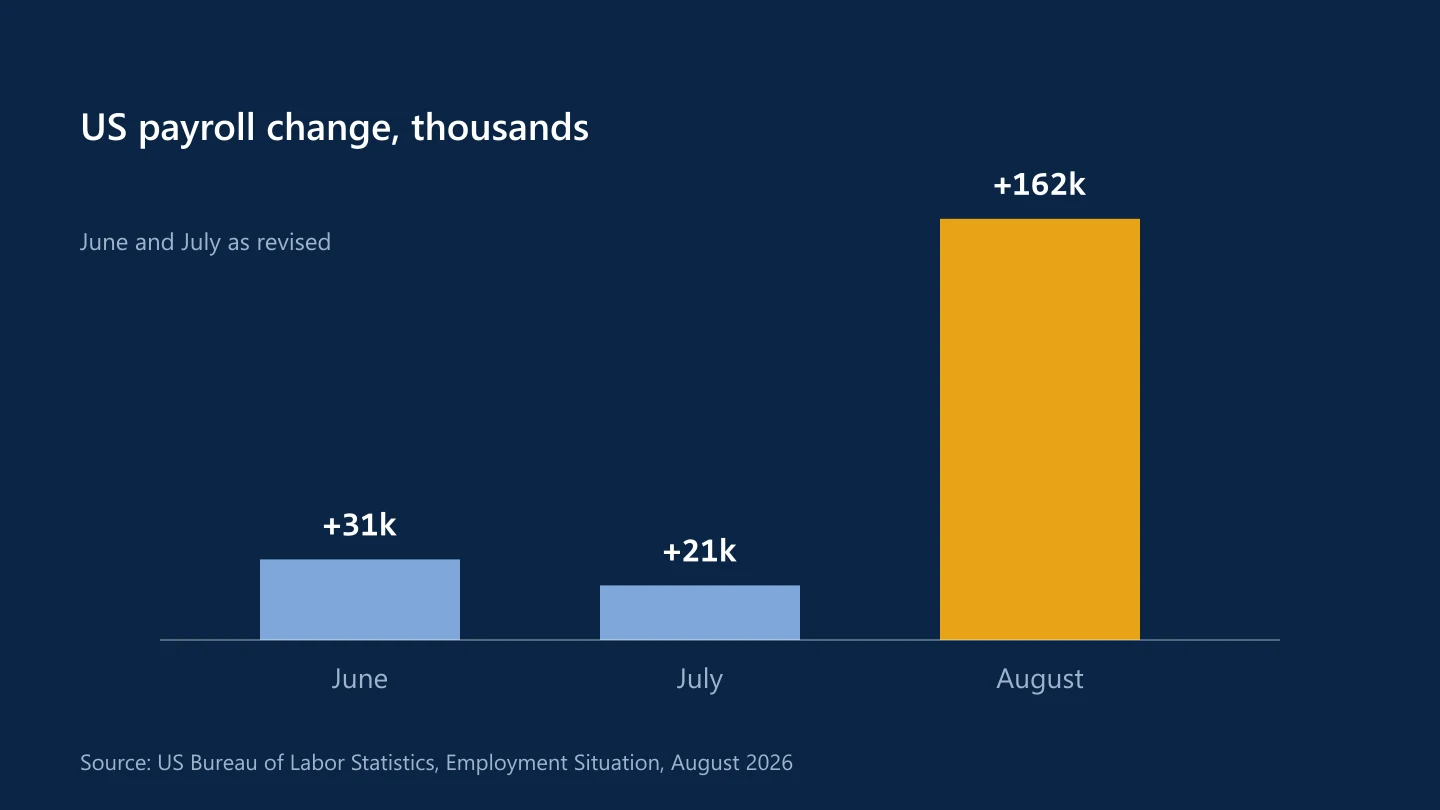
The unemployment rate was 4.1% and average hourly earnings rose 3.1% over the year, but June and July payroll gains were revised down to 31,000 and 21,000.
The Bank of Canada kept its policy rate unchanged on 2 September, pointing to uncertainty from the Middle East conflict and a breakdown in trade talks with the United States.
New Zealand's central bank delivered a second consecutive quarter-point increase on 2 September, with annual inflation at 4.1%, well above its 1–3% target band.
Eurostat's flash estimate showed energy prices 14.3% higher than a year earlier, while services inflation eased to 3.0%.
Consumer price inflation climbed from 2.6% in June, driven by gas and electricity bills after Ofgem's July price cap increase. Core inflation held at 2.6%.
Australia's Reserve Bank left rates unchanged on 11 August, saying headline inflation is still too high and underlying inflation remains elevated.
Japan's Ministry of Finance bought yen on 31 July in coordination with the US Treasury, Finance Minister Katayama Satsuki said on 3 August, adding that Japan stands ready to act again.