How to trade non-farm payrolls: an NFP playbook that respects the risk
Non-farm payrolls is the most scheduled-and-scripted volatility in forex. Here is what the report actually measures, why the details beat the headline, and how to trade the day with a plan instead of a guess.
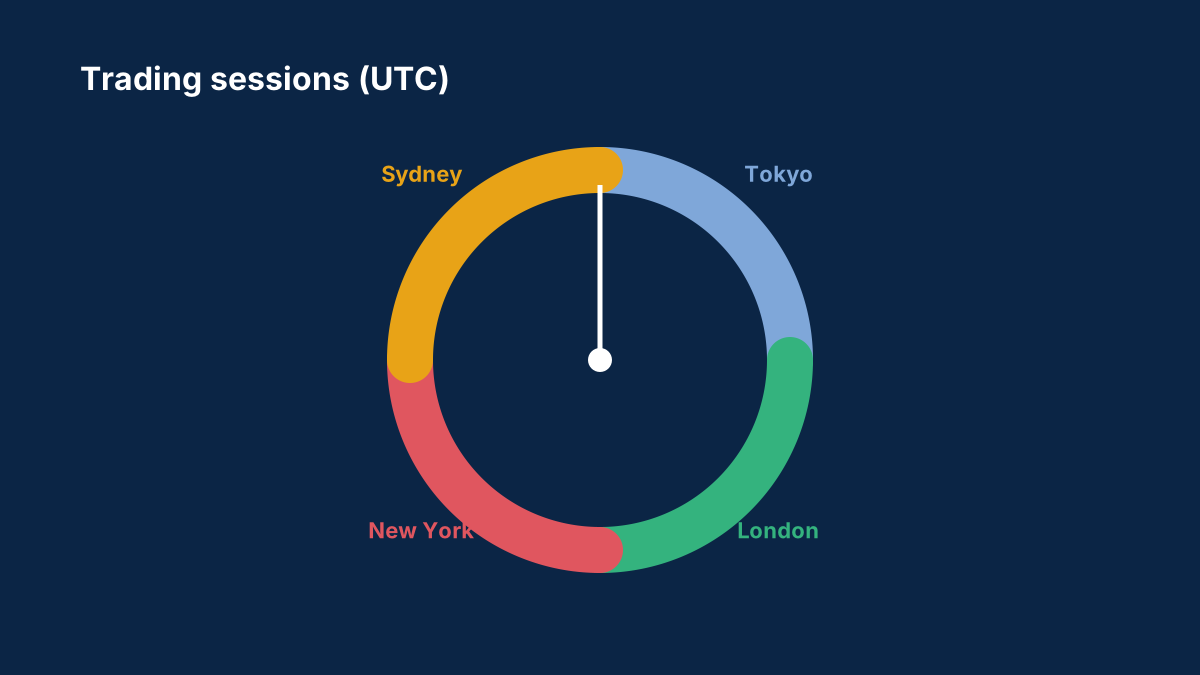
The first Friday of every month, the US jobs report lands at 8:30 a.m. New York time and the dollar's month gets repriced in minutes. Non-farm payrolls is the market's most famous release — the one that empties the trading rooms, widens the spreads and produces the year's most reliable scheduled volatility.
This guide explains what the report actually measures, which parts of it move the market, how the reaction typically unfolds, and how to build an NFP plan that respects the risk instead of pretending it doesn't exist.
What the report actually measures
The Bureau of Labor Statistics publishes three numbers inside one release, and the market reads them as a set. The headline is the change in non-farm payrolls — the number of jobs added or lost outside the farming sector. Alongside it come the unemployment rate, drawn from a separate survey of households, and average hourly earnings, the wage number that feeds inflation expectations. Non-farm payrolls explained covers each measure and its quirks.
The headline grabs the attention, but the details decide the reaction. Revisions to the previous two months often matter more than the current number, because they rewrite the trend the market thought it knew. Wage growth matters for the Fed's inflation read. And the unemployment rate can move against the headline — jobs added while unemployment rises means the labour force grew, which the market reads differently from a simple strong or weak number. The August report offered the live example: 162,000 jobs added, unemployment at 4.1%, and the two prior months revised sharply lower (report).
Why payrolls move the dollar
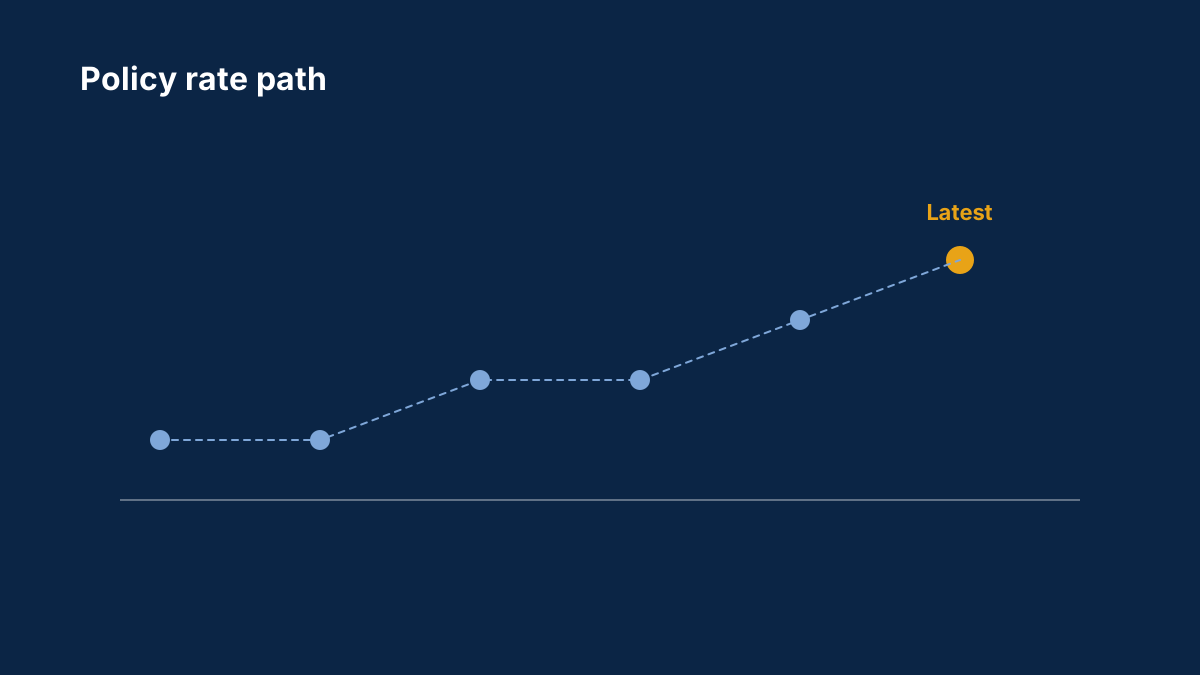
The Fed's mandate is employment and inflation, and payrolls is the employment side's biggest monthly datapoint. A hot report raises the odds of tighter policy and lifts the dollar; a weak one does the reverse. The transmission to every dollar pair is the same interest-rate expectations channel that CPI uses — which is why payrolls and CPI are the two releases every dollar trader marks in advance.
The anatomy of an NFP reaction
The typical sequence has three phases. The first minutes bring the spike: an instant, often violent move on the headline. The next hour brings the reassessment: traders read the revisions, the wage number and the unemployment detail, and the initial move frequently reverses. The rest of the session brings the real direction, as the market settles on what the report means for the Fed's next decision.
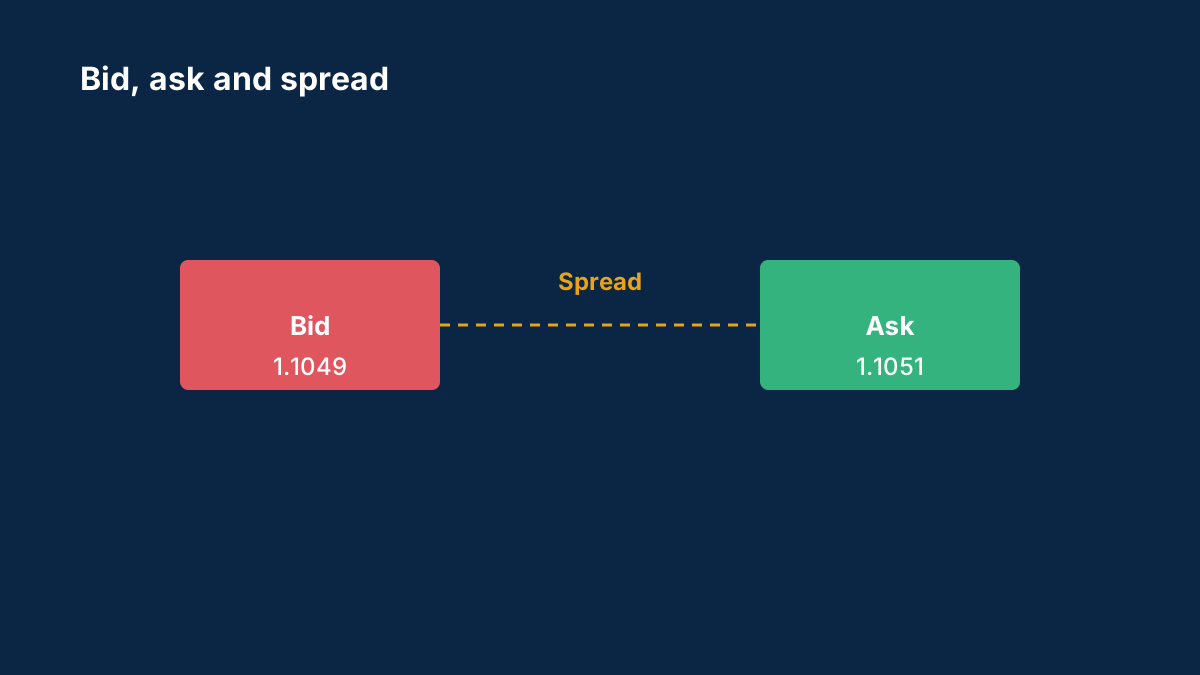
Each phase has a different risk profile, and the plan should say which phases you trade. Bid, ask and slippage explained describes what your orders face in the spike; the phases after it are closer to normal market conditions.
The playbook, phase by phase
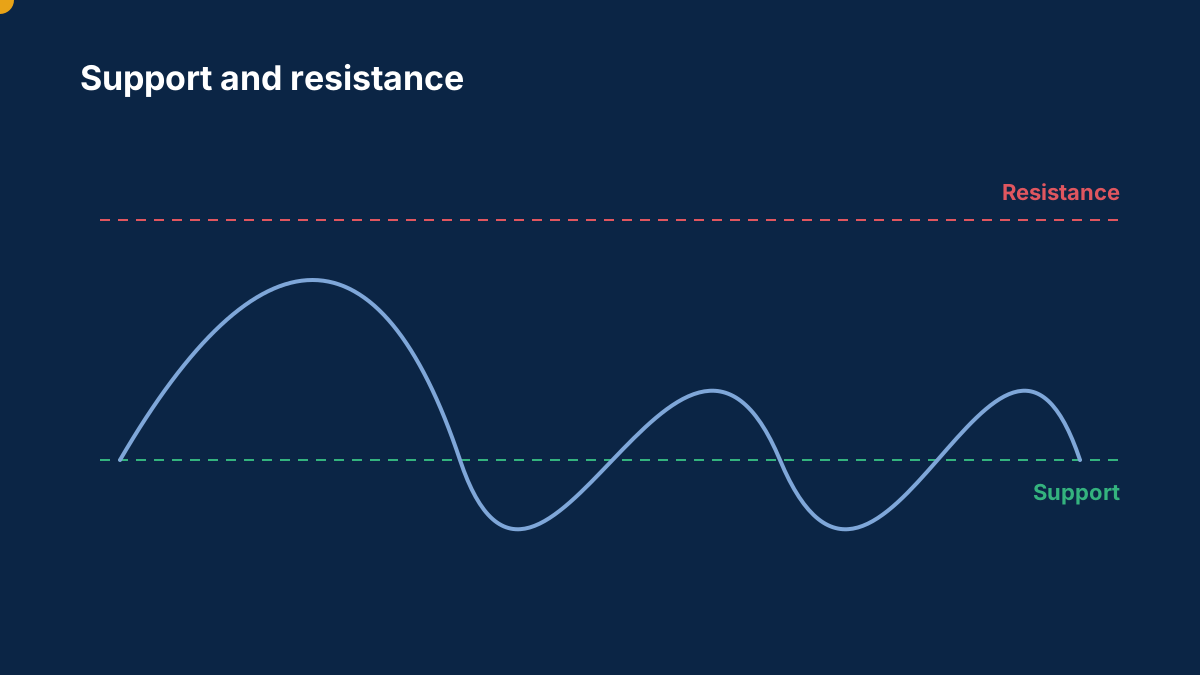
Before the release. Know the forecast, the previous number and the revision history. Mark the levels that mattered all week — the pair's range, the round numbers, the previous day's high and low. Write down what would surprise you, because surprises are what move the market.
The release minute. Either stand aside or trade at reduced size with pre-placed orders. If you trade it, the size question decides everything: the position must be small enough that a 60-pip move against you is a nuisance, not a wound.
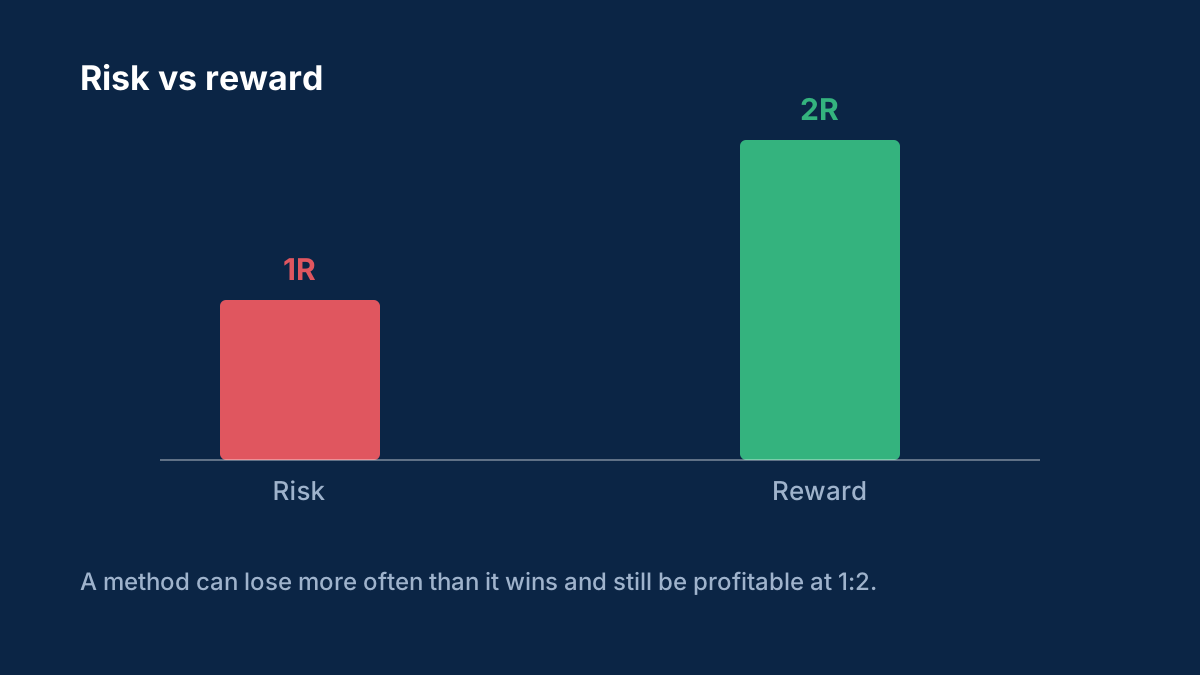
The reassessment. This is where the sustainable edge lives. Wait for the initial move to reverse or confirm, watch which level holds, and look for the aftermath setup: price returning to a marked level with a rejection. Enter with a stop beyond the level and a target at least twice the stop distance.
The rest of the session. The dollar's direction for the day is usually set by the afternoon. The traders who did nothing in the first hour often have the clearest read.
The rules that keep NFP day survivable
Three rules cover most of the damage NFP days cause:
No re-entries. The first trade of the morning is planned; the second and third are emotional. If the first trade loses, the day ends — the revenge trade on NFP day is the single most expensive trade in forex. Revenge trading and overtrading explains the mechanism.
Event-sized positions. The position that is sensible at 8:25 is reckless at 8:30. Size for the release, not for the calm that preceded it. Position sizing has the arithmetic.
Read the revisions. The market's reaction to a hot headline can flip entirely once traders see the prior months revised lower. Never trade the headline alone.
The honest alternative
For most retail traders, the highest-percentage NFP play is observation: flatten before the release, watch the reaction, and trade the day's aftermath once the market has chosen a direction. It costs the first move and saves everything the first move can take. Payrolls comes every month; there is no need to win it in the first minute.
NFP is a test of preparation more than prediction. Know the report's layers, respect the release minute, and trade the aftermath with a plan — and the most dangerous day of the month becomes one of the most tradeable.
Sources
Common questions
What time is non-farm payrolls released?
8:30 a.m. New York time, usually on the first Friday of the month. The economic calendar on this site converts the time to your own time zone.
Which part of the NFP report moves the market?
The headline payrolls number moves the first reaction, but revisions to prior months, average hourly earnings and the unemployment rate decide whether the move holds.
Why does NFP sometimes reverse after the first move?
The first move reacts to the headline. Traders then read the revisions, wages and unemployment detail, and often conclude the initial reaction was wrong, which reverses the move.
Should I trade NFP as a beginner?
Most beginners are better off observing. The release minute has widened spreads, fast reversals and slippage. The aftermath — trading the levels after the dust settles — is the safer place to learn.
What pairs move most on NFP day?
Every dollar pair moves: EUR/USD, GBP/USD, USD/JPY and USD/CAD, plus gold. The move transmits through Federal Reserve rate expectations, which the jobs report rewrites.
This article is for information only and is not financial advice. Trading forex and CFDs carries a high risk of losing money. Read the risk warning. Spotted an error? Tell the editors.
Comments
Log in to join the discussion. Comments follow the community guidelines.
Log in to commentLoading comments…