Tokyo's markets are closed from 21 to 23 September. Do you change how you trade yen pairs on Japanese holidays?
The Japan Exchange Group lists Monday 21 September (Respect for the Aged Day), Tuesday 22 September (Citizens' Holiday) and Wednesday 23 September (Autumnal Equinox Day) as market holidays. Derivatives holiday trading is open on all three days, so Nikkei futures still trade, but the cash stock market is shut.
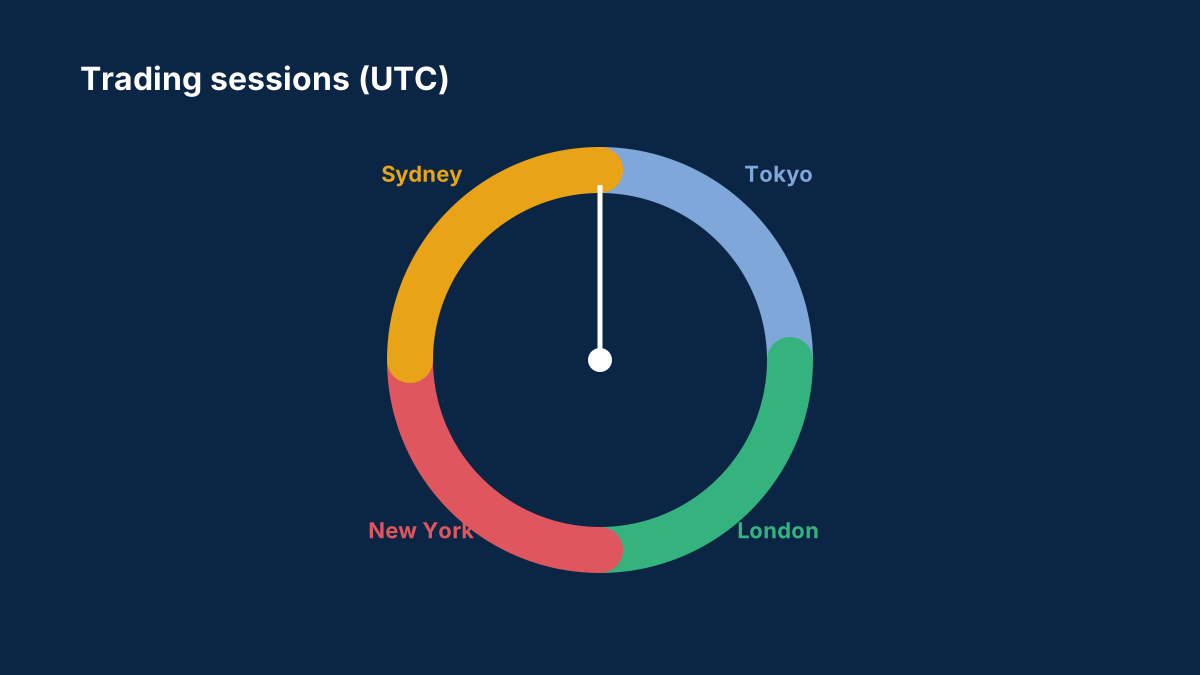
Yen pairs don't stop: USD/JPY, EUR/JPY and GBP/JPY keep trading in the global market. What changes is the setting. The Bank of Japan raised its policy rate to 1.25% on 18 September (report), the country's inflation data came out the same day (report), and the yen has seen intervention risk since 31 July (report). A long weekend for Japanese participants can mean a different Asian session.
We would like to hear from members who have traded through Japanese holidays before, such as the long weekends in spring and autumn:
- Did you notice wider spreads, thinner liquidity or bigger swings around the holiday?
- Do you trade yen pairs as usual, cut position size, or wait for Tokyo to reopen?
- Do you check the forex market hours or a holiday calendar before the week starts?
- Has a holiday ever coincided with a sudden yen move for you?
If you haven't traded through one, say so and tell us what you would do. Please share your own experience, not calls for others to copy. Posts that promise a direction or sell signals will be removed.
Comments
Log in to join the discussion. Comments follow the community guidelines.
Log in to commentLoading comments…