Which currency pair did you learn on, and would you recommend it?
EUR/USD is the usual suggestion for beginners because it's the most traded pair and typically has the tightest spreads. Plenty of traders started elsewhere, though: GBP/USD for its bigger moves, USD/JPY because it suited their time zone, or gold because that's what drew them to trading.
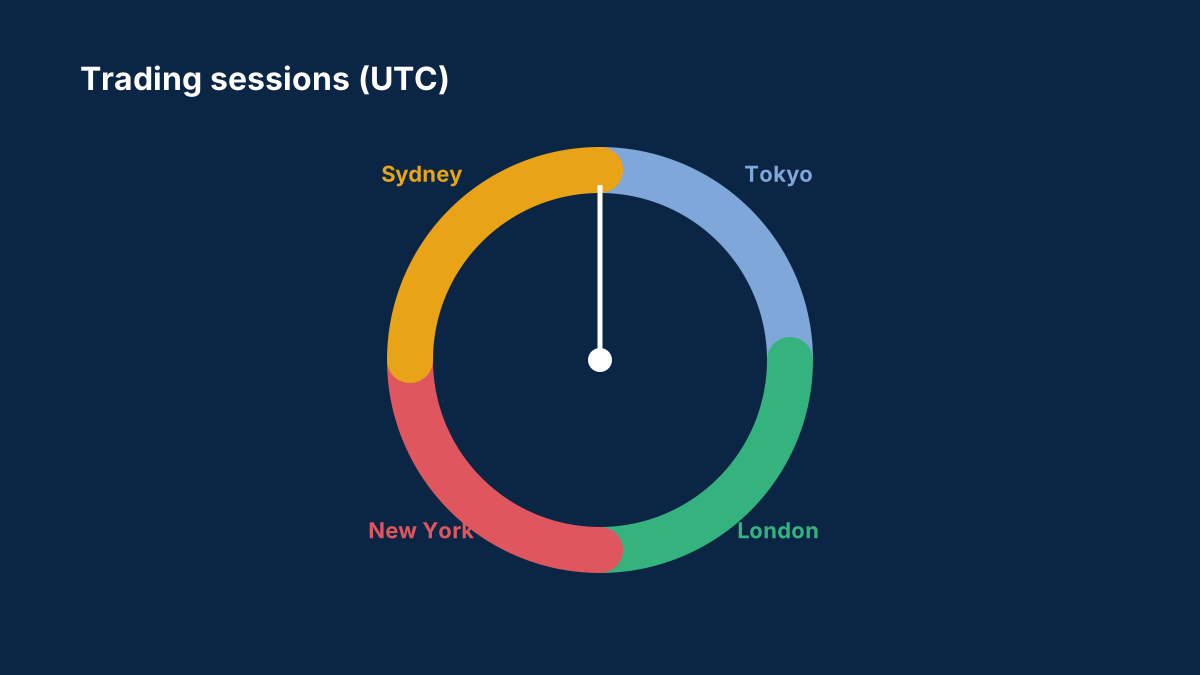
Tell us which pair or market you learned on and what you'd tell someone starting today. It helps to mention:
- the session you trade, since a pair can be quiet in one session and busy in another
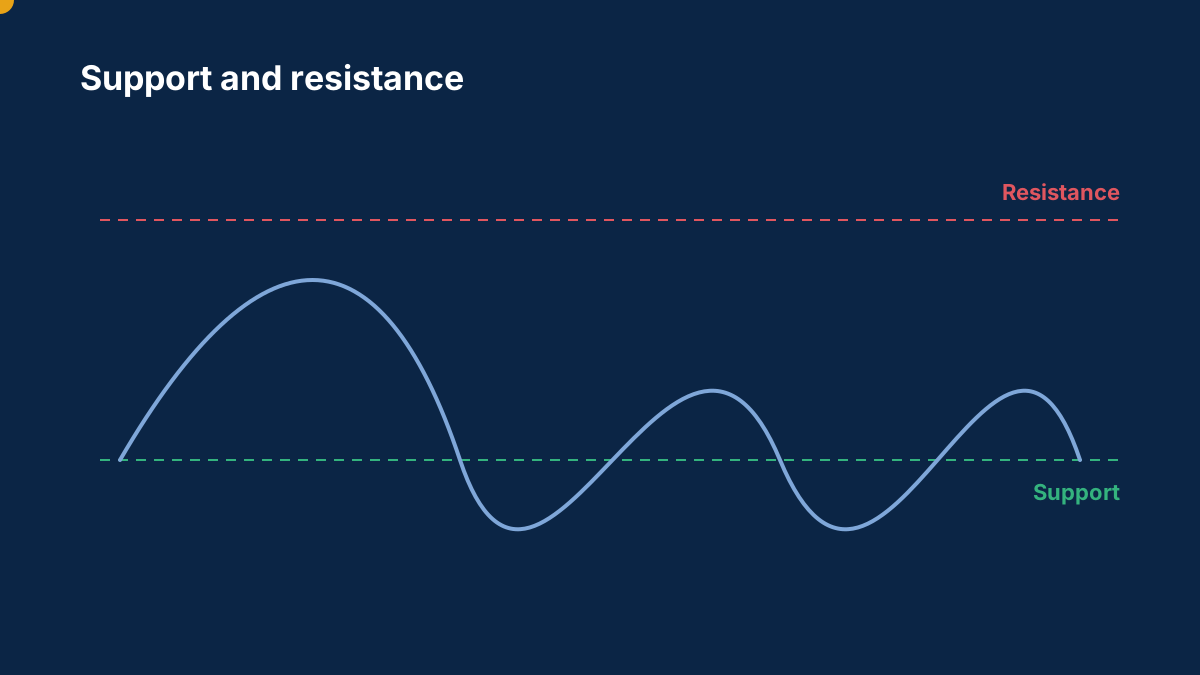
- how its typical daily range affected where you placed stops
- anything about it that caught you out early, like spreads widening at rollover
Background: major, minor and exotic pairs, and live prices on the markets page.
Background: Why trade crosses? The case for dropping the dollar
Crosses like EUR/GBP and EUR/JPY remove the dollar and trade two economies directly. Here is what changes without the dollar, and when the crosses are the cleaner trade.
What is a cross currency pair?
A pair with no dollar — EUR/GBP, EUR/JPY and the like. The cross trades two currencies directly against each other, isolating their relative stories from the dollar's.
Why trade crosses instead of dollar pairs?
To remove the dollar's noise and its hidden bet. A cross expresses the relative view between two economies directly, without the dollar's third story blurring it.
Comments
Log in to join the discussion. Comments follow the community guidelines.
Log in to commentLoading comments…
A few practical points for anyone choosing a first pair, to go with the replies.
- Spread: EUR/USD, USD/JPY and GBP/USD usually have the lowest spreads, which matters most when targets are small.
- Daily range: GBP/USD and GBP/JPY often move more in a day than EUR/USD. A wider range means wider stops for the same idea, so smaller positions.
- Your hours: a pair is liveliest when its home markets are open. USD/JPY is active in Tokyo and New York hours, EUR and GBP pairs in London, AUD and NZD pairs in the Asian session.
- One pair first: learning how one pair behaves around its own releases is easier than following six at once.
Gold (XAU/USD) is popular with beginners but moves many dollars a day, so position sizes need to be much smaller than on a currency pair with the same account.
Background: major, minor and exotic pairs and trading sessions. Members, what would you tell someone choosing today?
0