Which economic releases do you follow each week, and which do you ignore?
An economic calendar lists dozens of releases every week. Most traders only follow a handful, and which ones depends on the pairs they trade.
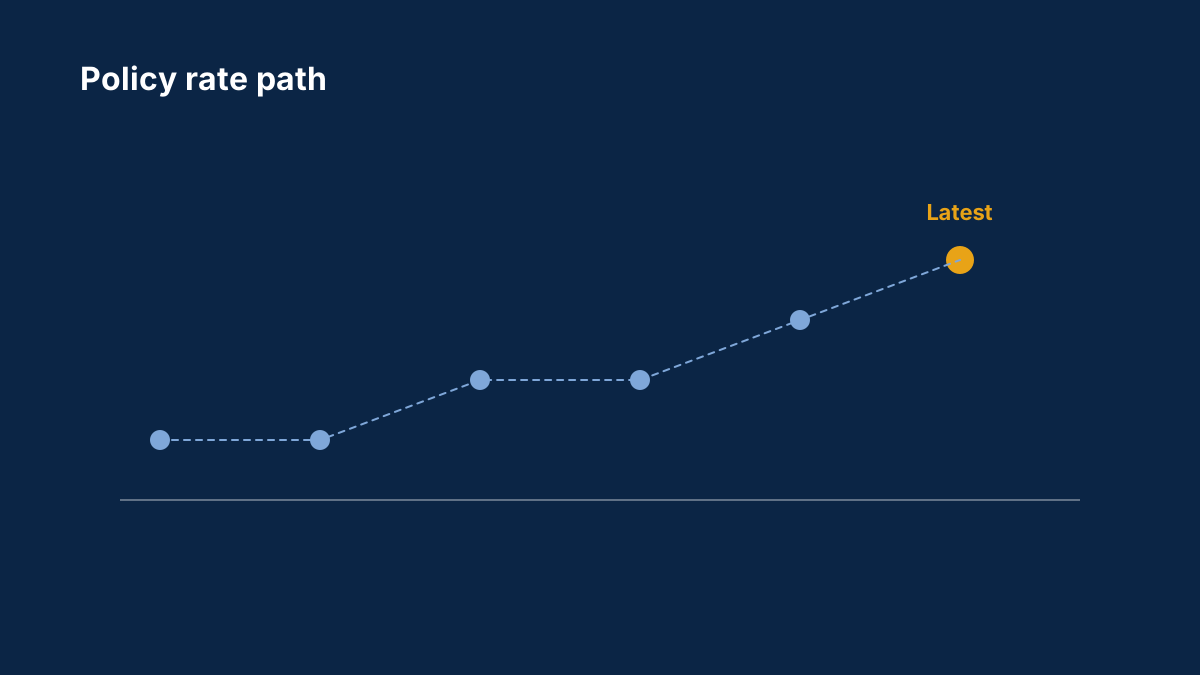
For newer traders reading this, it would help to know:
- the pairs or markets you trade
- the releases you always check before the week starts, such as central bank decisions, inflation or jobs data
- the ones you deliberately ignore, and why
- whether you trade during releases or wait until the first move settles
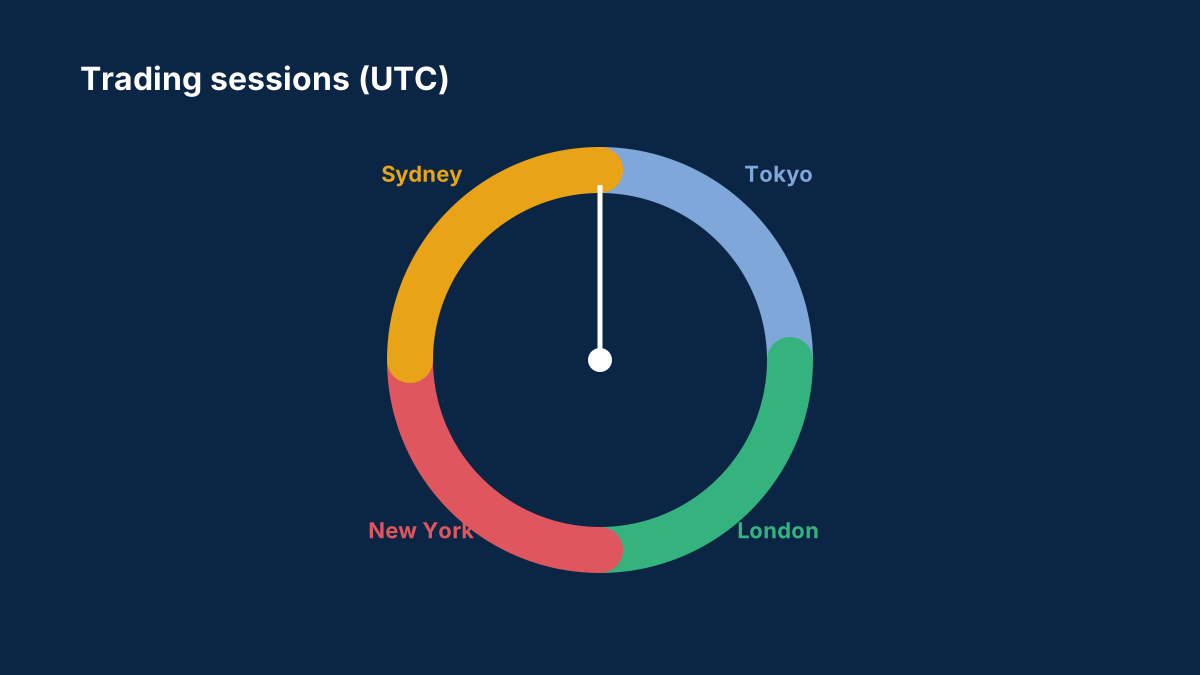
This week's calendar is busy: UK jobs data on 15 September, the Fed on 16 September and the Bank of England on 17 September. Times in your own time zone are on the economic calendar, and how to read an economic calendar explains the actual, forecast and previous columns.
Background: How to read an economic calendar: actual, forecast, previous and impact
The economic calendar tells you when markets are likely to move. Here is what each column means and how traders use it to plan the week.
What does forecast mean on an economic calendar?
The median expectation of economists surveyed before the release. Markets usually price in the forecast, so prices react to the gap between the actual figure and the forecast.
What is a high-impact event?
A release that has historically caused large price moves, such as central bank decisions, CPI inflation and the US jobs report. Spreads often widen around them.
Comments
Log in to join the discussion. Comments follow the community guidelines.
Log in to commentLoading comments…
For newer readers, a starting shortlist by currency. It's far from complete, but it covers the releases that most often move the major pairs.
- USD: Fed decisions, CPI, the monthly jobs report, retail sales, ISM surveys.
- EUR: ECB decisions, euro area flash inflation, PMI surveys.
- GBP: Bank of England decisions, UK CPI, the labour market report.
- JPY: Bank of Japan decisions, plus any comments on the yen from Japan's finance ministry.
- CAD and AUD: their central bank decisions, CPI, jobs data, and for CAD, oil prices.
A useful habit: at the start of the week, mark only the releases for the currencies in pairs you actually trade, and note the forecast next to each. How to read an economic calendar explains the actual, forecast and previous columns.
Members, which release do you think beginners overrate, and which do they ignore when they shouldn't?
0