Glossary requests: which trading terms confused you?
Pip, pipette, point, tick, lot, contract, margin level, free margin, equity: trading has a lot of vocabulary, and platforms don't always use the same word for the same thing.
Post the terms that confused you when you started, or still do. Members can explain them in plain language, and we'll use the most common requests to decide which explainers to write next.
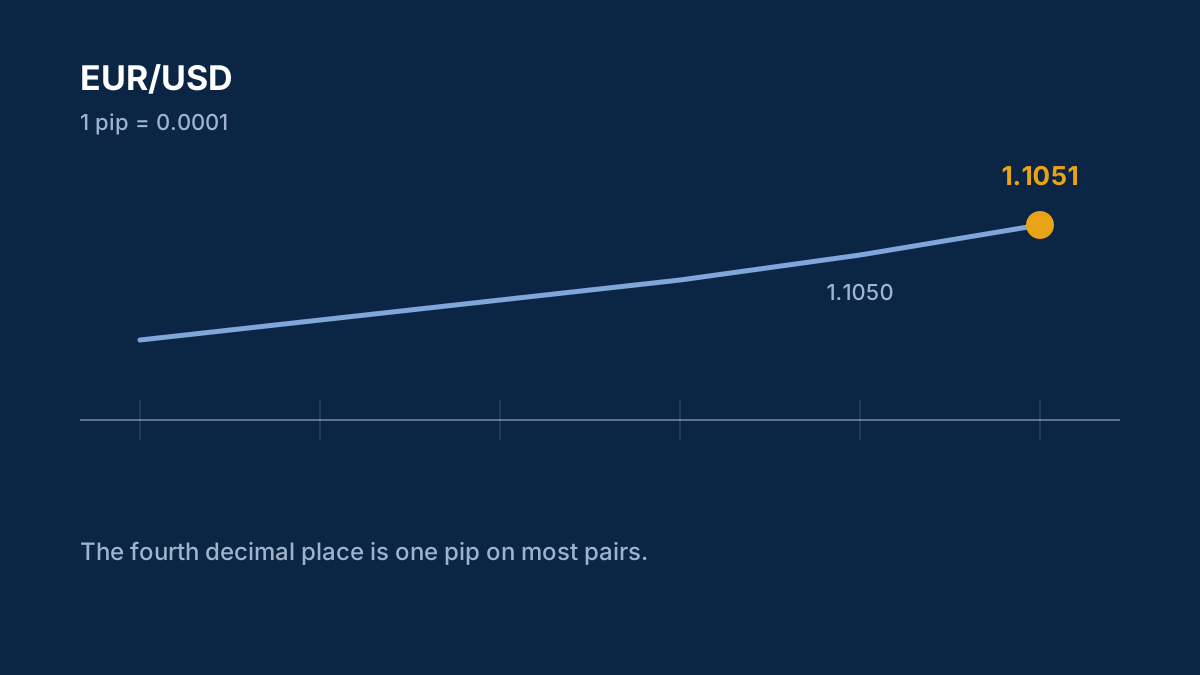
If you're answering, one term per reply keeps the thread easy to search. Plain examples beat definitions: "on EUR/USD a pip is the fourth decimal place, so 1.1050 to 1.1051 is one pip" helps more than a textbook sentence.
Background: Leverage and margin explained: margin calls, stop-outs and how losses grow
Leverage lets you control a large position with a small deposit. It magnifies losses exactly as much as gains, and it is behind most blown trading accounts.
What does 30:1 leverage mean?
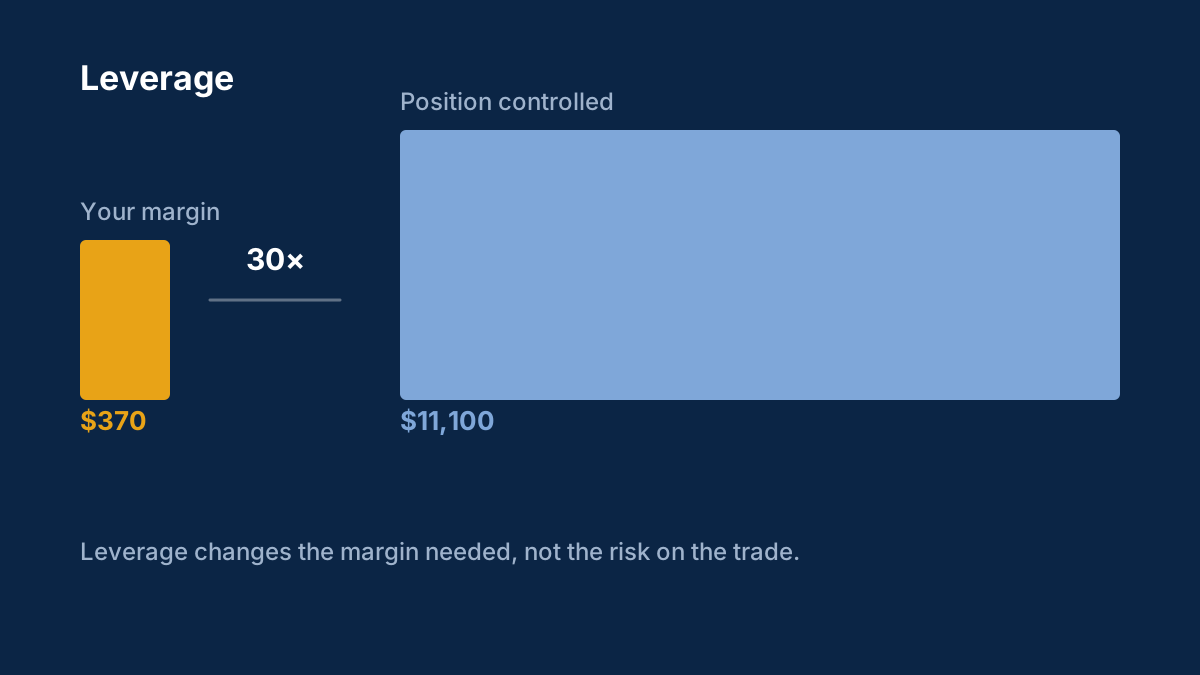
You can control a position 30 times larger than your margin deposit. $1,000 of margin opens a $30,000 position, and gains and losses are calculated on the full $30,000.
What is a margin call?
A warning from your broker that losses have reduced your margin level to a set threshold. If it keeps falling, the broker starts closing positions automatically, which is called a stop-out.
Comments
Log in to join the discussion. Comments follow the community guidelines.
Log in to commentLoading comments…
Starting the list with five terms that platforms describe differently, each with a plain example.
- Pipette: a tenth of a pip. On EUR/USD quoted to five decimals, 1.10505 to 1.10506 is one pipette.
- Point: in MetaTrader, the smallest price step. On a five-decimal EUR/USD quote, 10 points equal one pip, which is why stop distances sometimes look ten times too big.
- Equity: your balance plus or minus the profit or loss on open positions.
- Free margin: equity minus the margin held for open positions. It's what's left to absorb losses or open new trades.
- Margin level: equity divided by used margin, as a percentage. Brokers close positions when it falls to their stop-out level, such as 50%.
For the basics, see what is a pip and leverage and margin explained.
Members, post the term that confused you most, one per reply.
0