Have you had a margin call? Walk us through what happened
A margin call or stop-out is one of the most expensive ways to learn how leverage works, and one of the most useful stories to share so others don't repeat it.
If it's happened to you, it helps to describe:
- the position size compared with your account balance
- the margin level when your broker warned you, and when positions were closed
- whether you had a stop-loss, and why it didn't protect you (or why you didn't have one)
- what you changed afterwards
Nobody here will judge you for it; most experienced traders have a story like this. If you're new and want to understand the mechanics before it happens to you, read leverage and margin explained and ask anything that isn't clear below.
Background: Leverage and margin explained: margin calls, stop-outs and how losses grow
Leverage lets you control a large position with a small deposit. It magnifies losses exactly as much as gains, and it is behind most blown trading accounts.
What does 30:1 leverage mean?
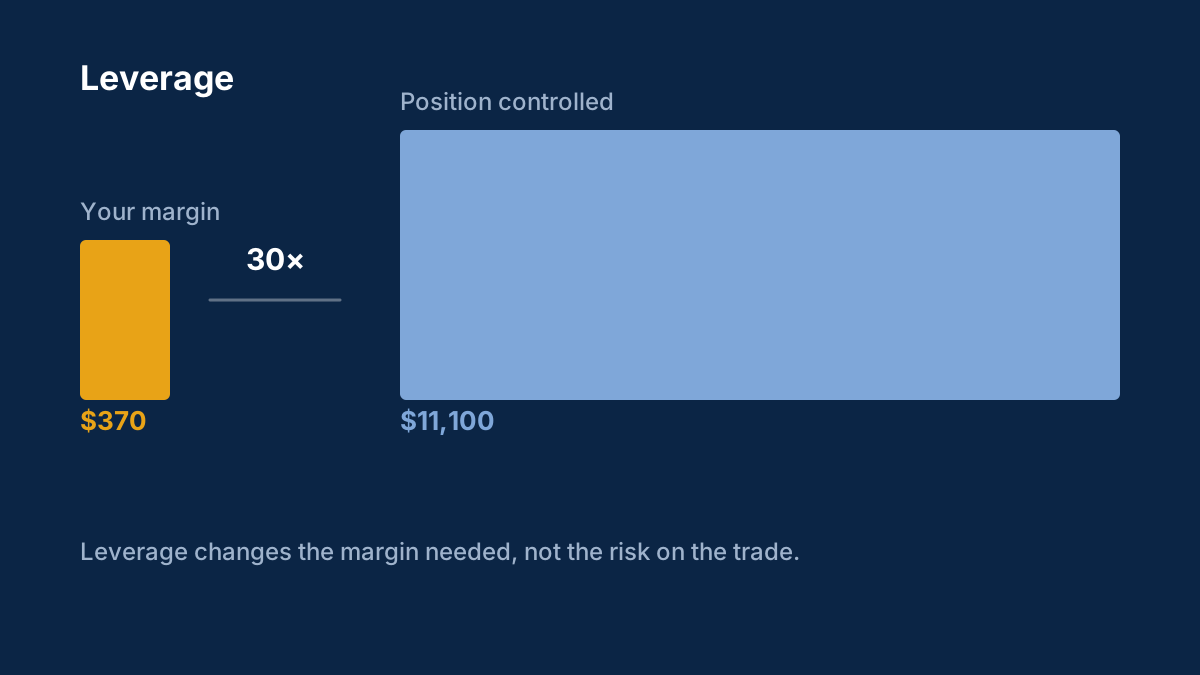
You can control a position 30 times larger than your margin deposit. $1,000 of margin opens a $30,000 position, and gains and losses are calculated on the full $30,000.
What is a margin call?
A warning from your broker that losses have reduced your margin level to a set threshold. If it keeps falling, the broker starts closing positions automatically, which is called a stop-out.
Comments
Log in to join the discussion. Comments follow the community guidelines.
Log in to commentLoading comments…
For anyone reading this before it's happened to them, a quick explanation of the two numbers involved and a worked example.
- Margin call level: when margin level (equity ÷ used margin) falls to this, often 100%, the broker warns you.
- Stop-out level: when it falls further, for example to 50%, positions are closed automatically, usually starting with the biggest loser.
Example: a $1,000 account opens 1 standard lot of EUR/USD with $3,700 margin needed at 30:1. That couldn't even open. At 0.2 lots, margin is about $740. A 60-pip move against the position loses $120, taking equity to $880 and margin level to about 119%. About 255 pips further, equity is near $370, and the position is closed at the 50% stop-out.
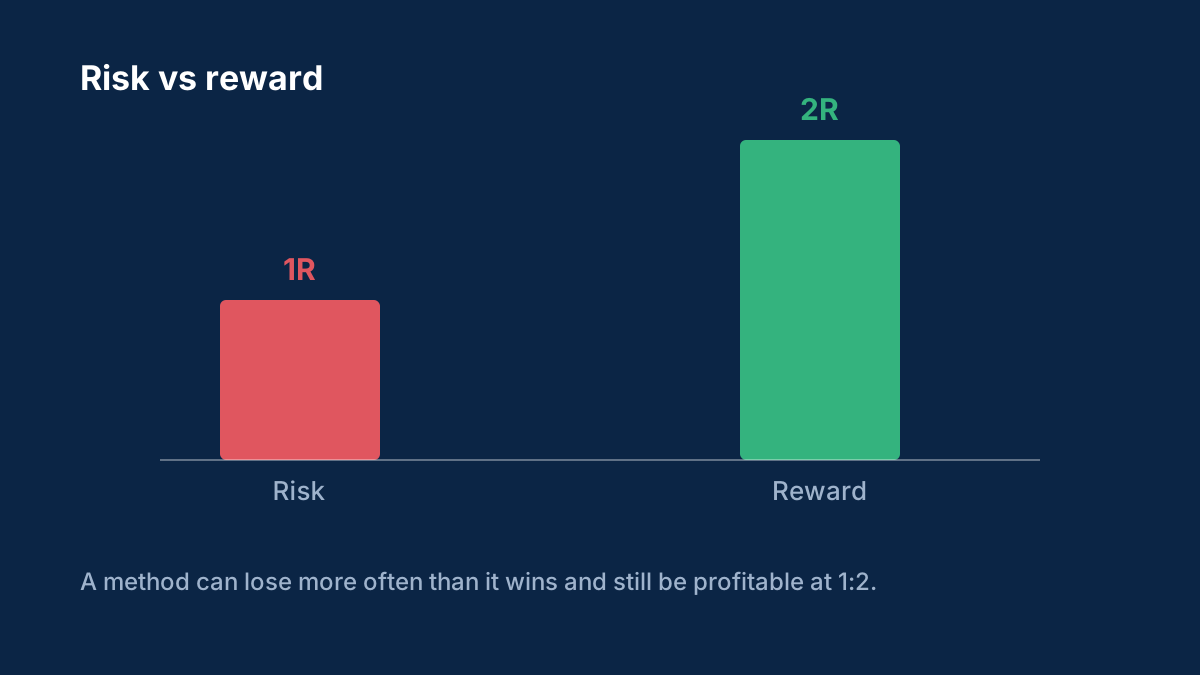
A stop-loss well inside that distance, sized for 1% to 2% risk, means the broker's stop-out never comes into it. Full explanation: leverage and margin explained.
0