Trailing stops: how they move and where they fail
A trailing stop moves with price in your favour and never backwards. Here is how to set the distance, why it can fill at a worse price, and when it does more harm than good.
A trailing stop is a stop-loss order that follows price. When the trade moves in your favour, the stop moves with it by a set distance. When price moves against you, the stop stays where it is and never moves back. It can lock in part of a gain without a fixed exit, but it has limits that are easy to overlook.
How the distance is set
Traders usually set the trailing distance in one of two ways:
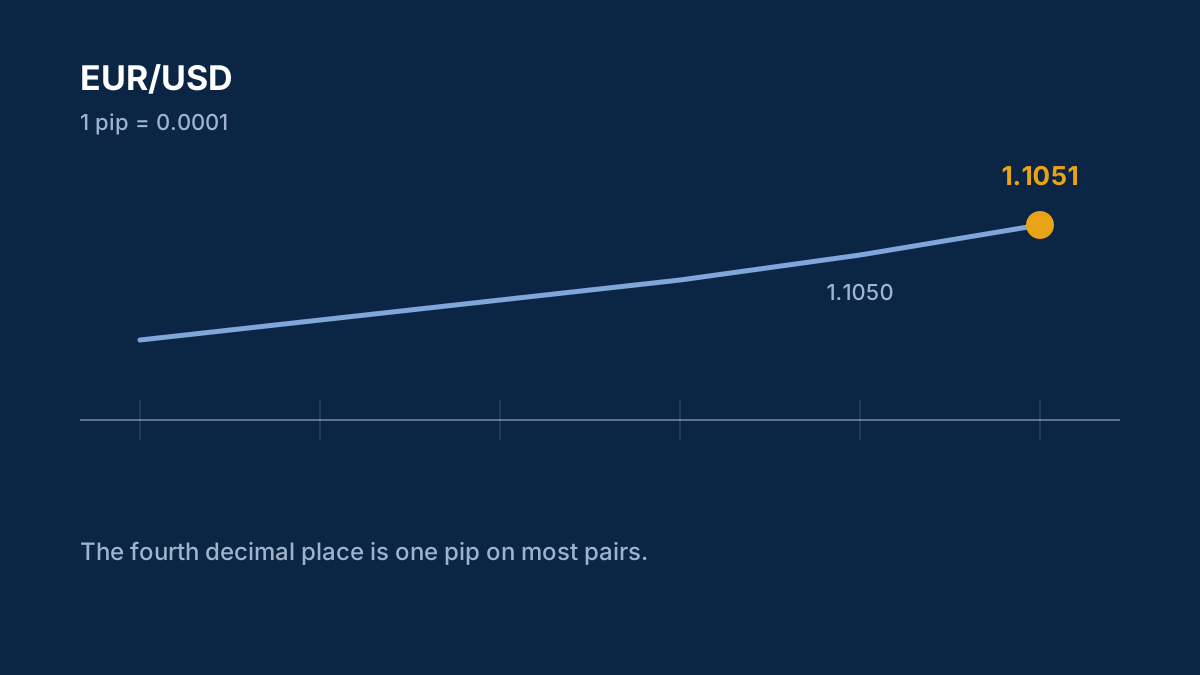
- Fixed pips: for example, 30 pips behind the highest price since entry. It is simple, but the same distance means very different things in quiet and volatile markets.
- A volatility multiple: a number of average true range values. This adjusts the distance to recent movement, so the stop has room in a volatile market.
Where trailing stops fail
- Noise. A tight trail is hit by ordinary swings and closes a trade that might have continued. A wide trail gives back more of the gain before it triggers.
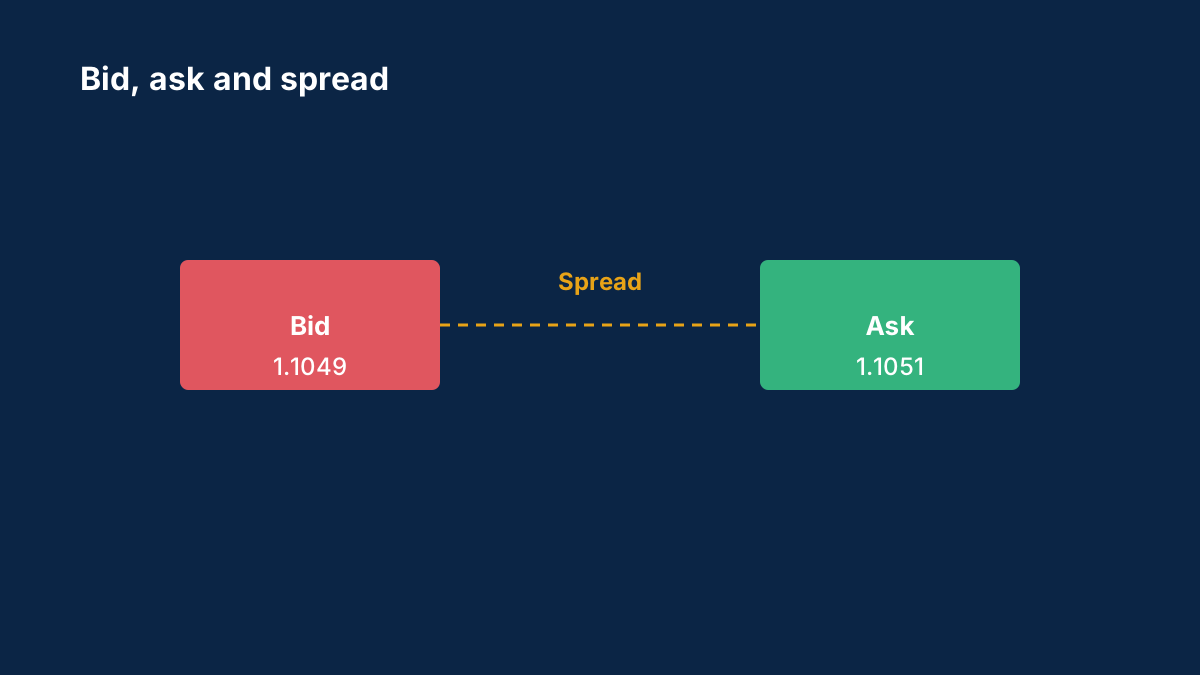
- Gaps and slippage. Once triggered, a stop becomes a market order. Its fill can differ from the stop price, especially in fast markets or after a gap. The bid, ask and slippage guide explains why.
- Wider spreads. Spreads can widen around rollover and major releases, so a stop can fill further from the price you expected.
- Platform differences. How the trail is calculated, and whether it works on a partly closed position, depends on the broker and the platform. Test it on a demo account before you rely on it.
Using one sensibly
Write the rule before the trade: the starting stop, the distance and the reason for both. Do not change the distance in the middle of a move because a trade looks uncomfortable. Review how often the trail was hit and what price did afterwards. For the first stop, before any trail, see where to place a stop-loss.
Common questions
What is a trailing stop?
A stop-loss that moves with price in the direction of a trade by a set distance, and does not move back against it.
Why does a trailing stop fill at a different price?
Once triggered, it becomes a market order, so the fill depends on the market at that moment. In fast markets or after a gap it can differ from the stop price.
Was this guide helpful? 0 found it helpful, 0 did not.
Sign in with a confirmed email to answer.
This article is for information only and is not financial advice. Trading forex and CFDs carries a high risk of losing money. Read the risk warning. Spotted an error? Tell the editors.
Discussions on this topic
Comments
Log in to join the discussion. Comments follow the community guidelines.
Log in to commentLoading comments…