Hedging forex: why offsetting trades rarely remove risk
A hedge is a second position that offsets the risk of the first. Here is how direct and correlated hedges work, what they cost, and why US accounts are restricted.
A hedge is a position opened to reduce the risk of another position. In forex there are two common forms. A direct hedge holds a buy and a sell in the same pair at the same time. A correlated hedge takes an opposite position in a related pair, such as long EUR/USD with short USD/CHF, which often moves in the opposite direction. Currency correlation explains why those relationships shift.
Why a direct hedge rarely removes risk
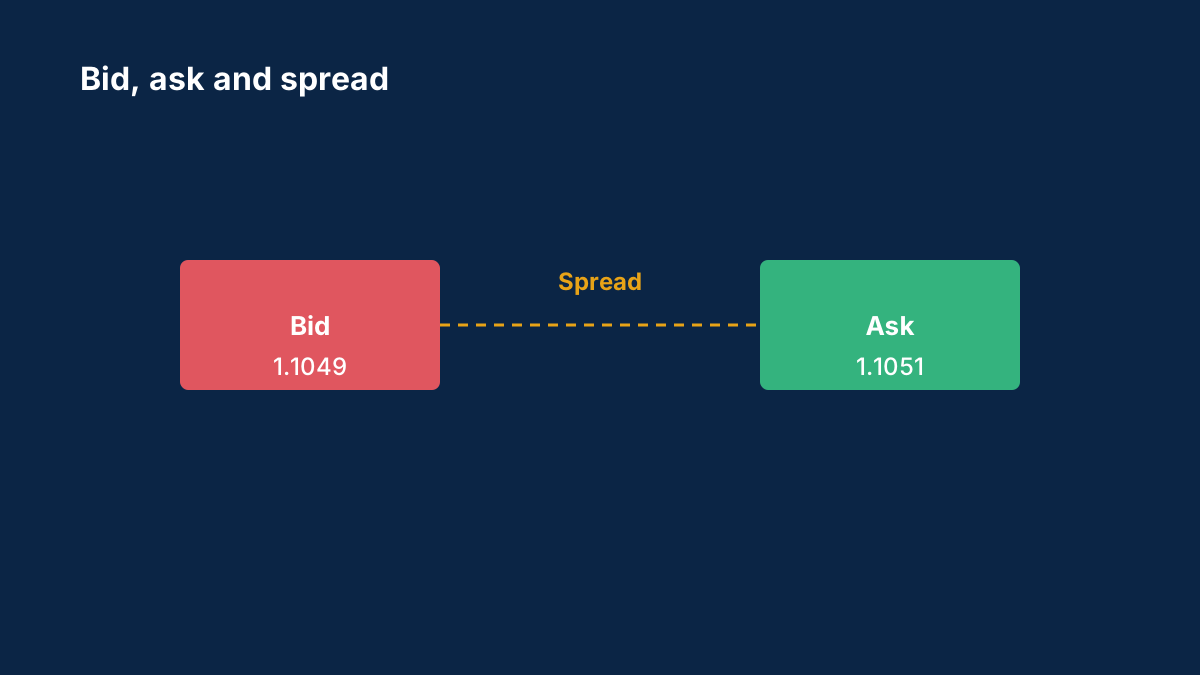
A direct hedge leaves the account with no net exposure while both trades are open. It stops the loss from growing, but it does not decide the trade. The trader still has to choose when to close one leg and whether the other follows. Each leg still pays the spread, and any swap charged on the open positions is still charged.
The US rule
In the United States, forex dealers must offset customer positions on a first-in, first-out basis. Under NFA Compliance Rule 2-43(b), a forex dealer member may not carry offsetting positions in a customer account, and must offset them first in, first out instead. At the customer's request, it may offset same-size transactions even when older transactions of a different size are open (NFA, Compliance Rule 2-43). In practice, a US-regulated account cannot simply hold a buy and a sell in the same pair. Check your broker's terms for accounts in other countries.
Hedging with correlated pairs
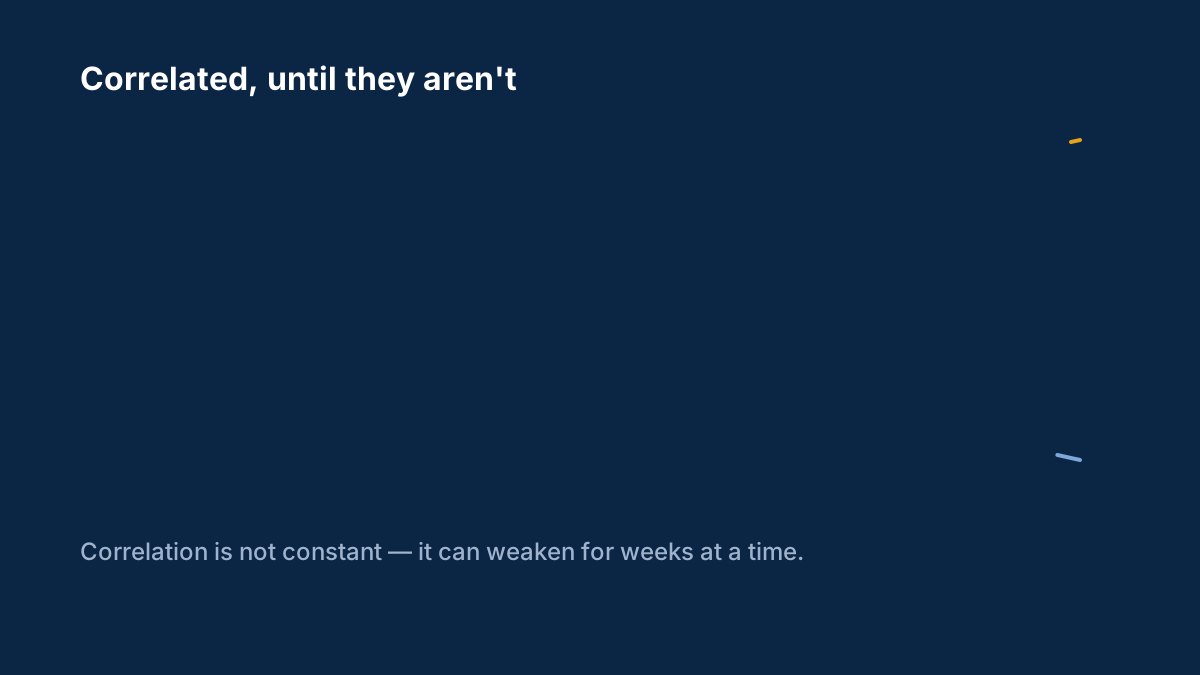
A correlated hedge can reduce exposure to one currency, but the relationship can change. A hedge that worked in one month can add risk in the next. Add up the combined exposure to each currency before you open the second position.
A simple check
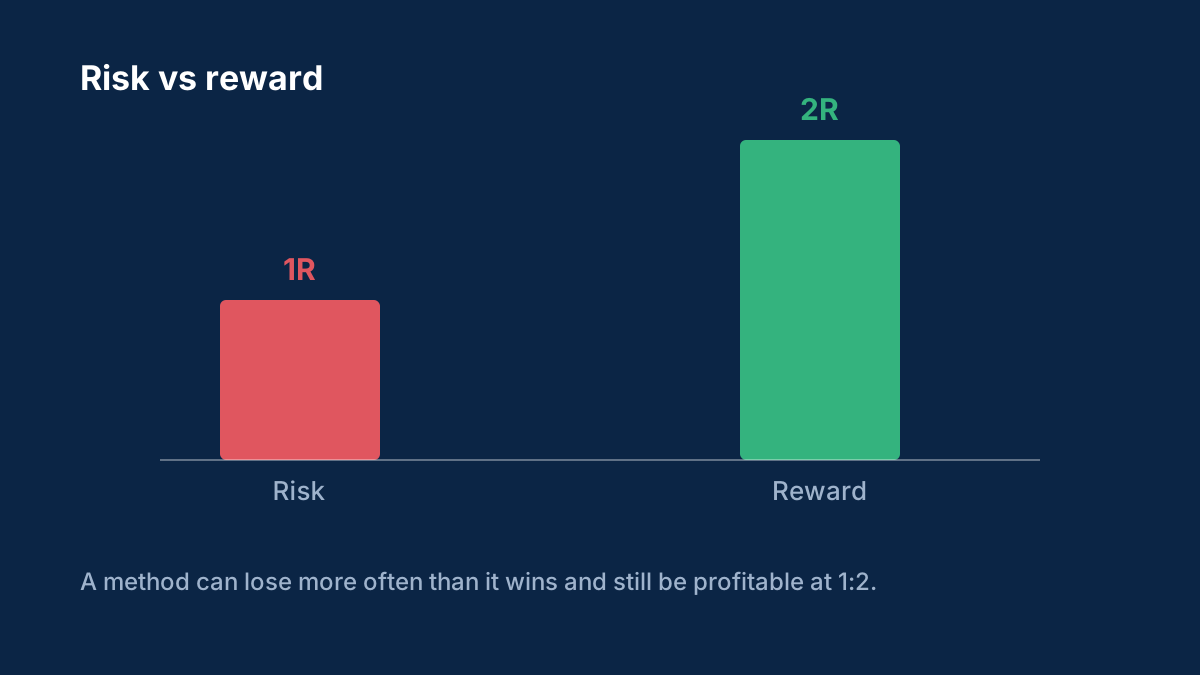
Before opening a hedge, write down what it is meant to protect, what it will cost in spreads and swaps, and when it will be closed. If you cannot answer all three, the hedge adds complexity rather than control.
Sources
Common questions
What is a direct hedge in forex?
A buy and a sell in the same currency pair held at the same time, which leaves no net exposure while both trades are open.
Can US forex accounts hedge?
Under NFA Compliance Rule 2-43(b), a US forex dealer may not carry offsetting positions in a customer account. It must offset them first in, first out, so a direct hedge cannot normally stay open.
Was this guide helpful? 0 found it helpful, 0 did not.
Sign in with a confirmed email to answer.
This article is for information only and is not financial advice. Trading forex and CFDs carries a high risk of losing money. Read the risk warning. Spotted an error? Tell the editors.
Comments
Log in to join the discussion. Comments follow the community guidelines.
Log in to commentLoading comments…