Euro area GDP grows 0.6% in the second quarter, lifted by trade
Eurostat's 7 September estimate shows euro area GDP up 0.6% in Q2 2026 after no growth in Q1, with net exports adding 0.9 percentage points and employment up 0.1%.
The euro area economy grew 0.6% in the second quarter of 2026, according to Eurostat's estimate published on 7 September. That followed no growth in the first quarter. Compared with a year earlier, GDP was 1.2% higher. Across the whole European Union, GDP grew 0.7% in the quarter and 1.4% over the year.
Trade did the work
Net exports added 0.9 percentage points to euro area growth in the quarter, and household consumption added 0.2 points. Changes in inventories subtracted 0.5 points.
Growth varied widely between countries. Ireland's GDP rose 10.2% in the quarter, a figure that often swings sharply because of the activities of multinational companies based there. Slovenia (1.8%) and Lithuania (1.7%) also grew strongly, while Austria was the only country where GDP fell, by 0.1%.
Employment
Employment rose 0.1% in the quarter and 0.5% over the year, with 176.4 million people in work in the euro area. Portugal recorded the fastest employment growth, at 1.0%, while employment fell in Finland (−0.8%) and Greece (−0.4%).
What it means for the euro
The figures arrived three days before the European Central Bank raised its deposit rate by a quarter point to 2.50% (report). A rebound in growth gives the ECB more room to concentrate on inflation, which was 3.3% in August (flash estimate). With so much of the quarter's growth coming from net exports and a large Irish contribution, though, the headline may overstate the underlying pace.
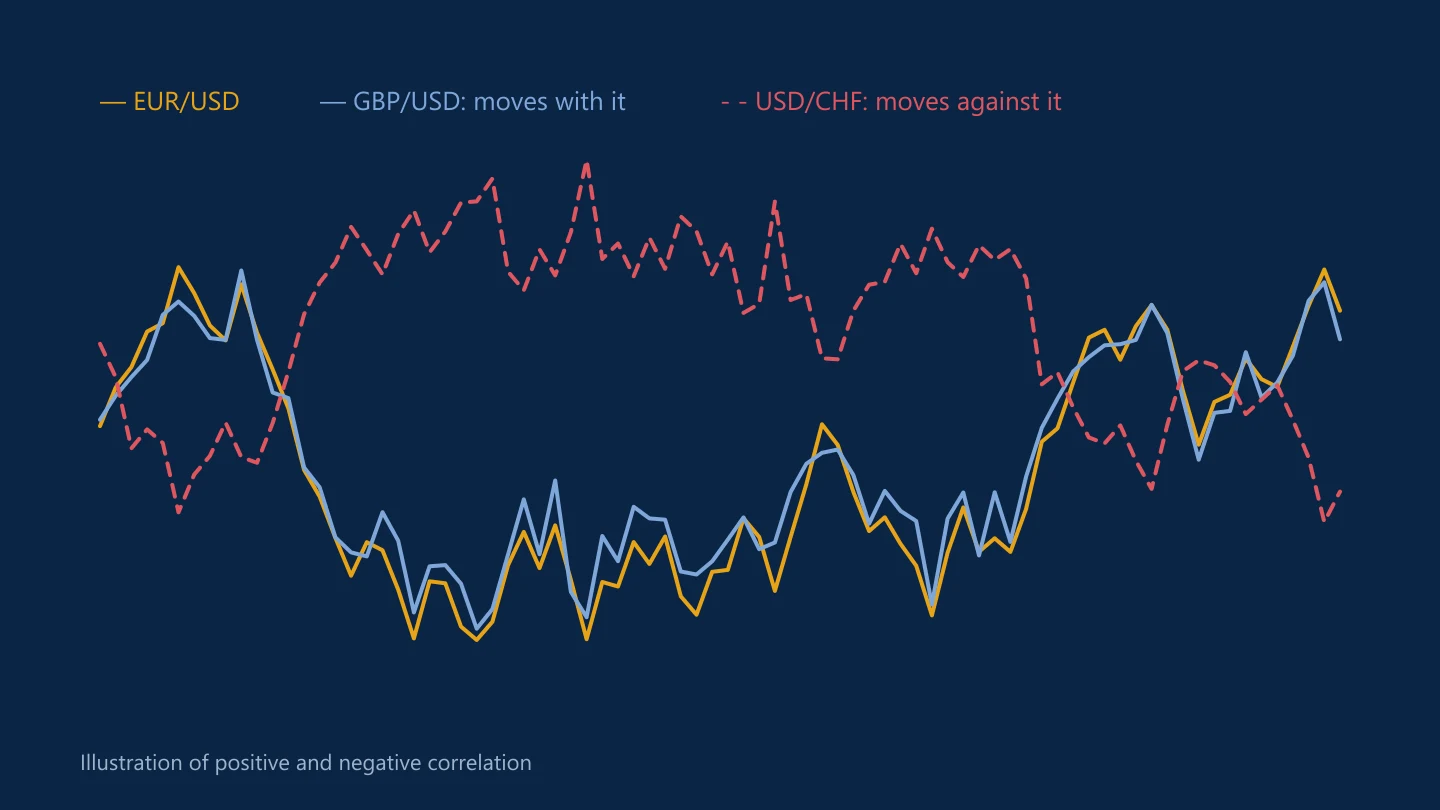
For EUR/USD, the comparison with US growth and the Federal Reserve's decision on 16 September will matter as much as the euro area numbers themselves. For how to compare growth rates across countries, see GDP explained.
Sources
Common questions
How much did euro area GDP grow in Q2 2026?
0.6% compared with the first quarter, and 1.2% compared with the second quarter of 2025, according to Eurostat's estimate of 7 September 2026.
What drove euro area growth in the second quarter of 2026?
Net exports added 0.9 percentage points and household consumption 0.2 points, while changes in inventories subtracted 0.5 points.
How many people are employed in the euro area?
176.4 million in the second quarter of 2026, up 0.1% on the quarter and 0.5% on the year.
This article is for information only and is not financial advice. Trading forex and CFDs carries a high risk of losing money. Read the risk warning. Spotted an error? Tell the editors.

Comments
Log in to join the discussion. Comments follow the community guidelines.
Log in to commentLoading comments…