Eurozone inflation confirmed at 3.2% in August, a touch below the flash estimate
Eurostat's final figures, published 17 September, put euro area (eurozone) HICP inflation at 3.2%, below the 3.3% flash estimate, with services and energy the biggest contributors.

Eurostat published its final estimate of August 2026 consumer price inflation for the euro area, or eurozone, on 17 September, confirming the rate at 3.2%, one-tenth of a point below the 3.3% flash estimate published on 1 September (flash report).
The confirmed figures
- Euro area annual inflation: 3.2% in August, up from 2.9% in July. A year earlier it was 2.0%
- EU annual inflation: 3.2% in August, up from 3.0% in July
- Monthly rate: 0.4% in the euro area and the EU
What pushed inflation up
Compared with July, four components added to the annual rate:
- Services: +1.43 percentage points
- Energy: +1.29 percentage points
- Non-energy industrial goods: +0.30 percentage points
- Food, alcohol and tobacco: +0.22 percentage points
By country
Across all EU member states, the lowest annual rates were in Sweden (0.3%), Estonia (1.3%) and Czechia (1.5%), and the highest in Romania (6.3%), Lithuania (5.6%) and Cyprus (5.2%). Among euro area members, Lithuania and Cyprus were highest and Estonia lowest. Germany's rate was 2.9%, France's 2.6%, Italy's 3.2% and Spain's 4.6%. Compared with July, inflation fell in six member states, was stable in one and rose in twenty.
Why the revision matters
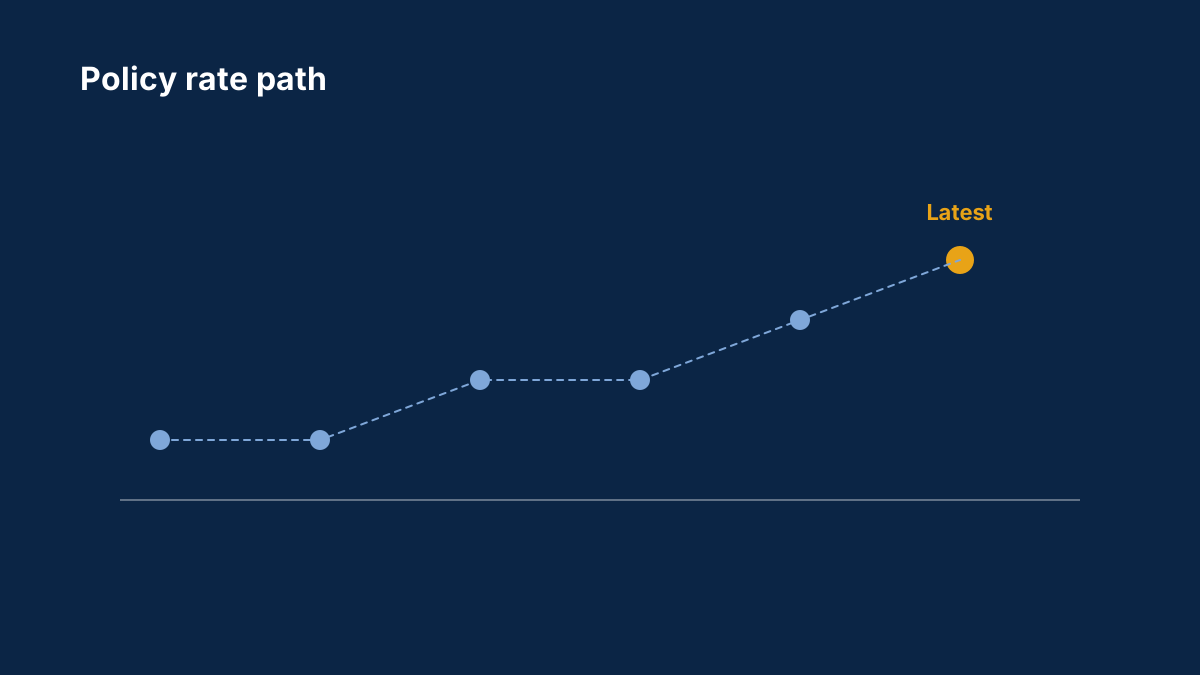
A final estimate landing a tenth below the flash figure is a small but genuine downside surprise, and it doesn't change the direction: inflation is still up from 2.9% in July and well above the 2.0% of a year earlier. The European Central Bank raised its deposit rate to 2.50% on 10 September, when the 3.3% flash estimate was the latest reading (report), and euro area growth had already rebounded in the second quarter partly on stronger exports (GDP report). See headline and core inflation explained for how these releases are read.
Eurostat's next full inflation release, covering September, is scheduled for 16 October 2026. Live prices: EUR/USD.
Sources
Common questions
What is the eurozone inflation rate now?
Eurostat's final estimate puts eurozone (euro area) annual inflation at 3.2% in August 2026, up from 2.9% in July, confirmed on 17 September 2026.
Was the euro area inflation flash estimate revised?
Yes, slightly down. The 1 September flash estimate for August was 3.3%; the final figure published on 17 September was 3.2%.
Which EU country had the highest inflation in August 2026?
Romania, at 6.3%, followed by Lithuania at 5.6% and Cyprus at 5.2%. Romania isn't in the euro area; among euro area members Lithuania and Cyprus were highest. The lowest EU rates were in Sweden (0.3%), Estonia (1.3%) and Czechia (1.5%).
When is the next eurozone inflation release?
Eurostat's next full inflation release, covering September 2026, is scheduled for 16 October 2026.
This article is for information only and is not financial advice. Trading forex and CFDs carries a high risk of losing money. Read the risk warning. Spotted an error? Tell the editors.
Related reading

Discussions on this topic
Comments
Log in to join the discussion. Comments follow the community guidelines.
Log in to commentLoading comments…