Fed decides 28 October after September's hike
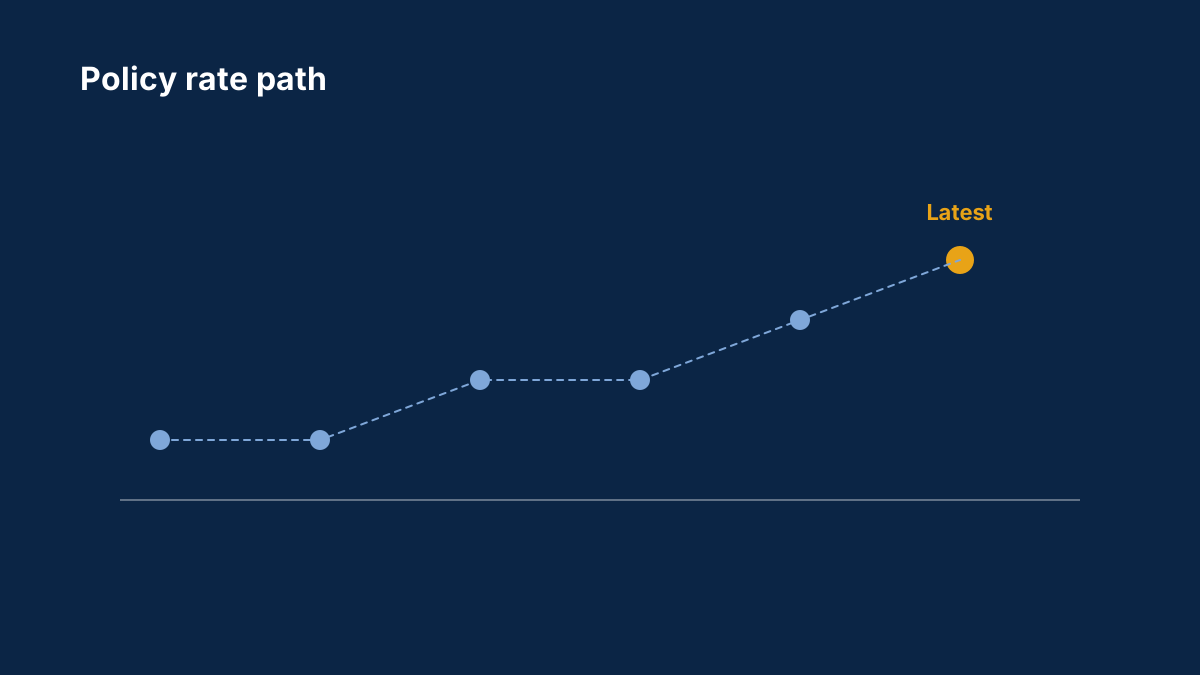
The FOMC meets on 27 and 28 October, with the decision due on 28 October. The committee raised its target range to 3.75%–4.00% on 16 September, and its next projections come in December.
The Federal Open Market Committee meets on 27 and 28 October 2026, and the decision is due on 28 October, according to the Federal Reserve's meeting calendar. The committee's last decision, on 16 September, raised the target range for the federal funds rate by a quarter point to 3.75% to 4.00%, as its statement that day said.
Key dates
- Meeting: 27–28 October 2026, with the decision on 28 October
- Last change: up 0.25 percentage points on 16 September, to 3.75%–4.00%
- Next projections: the Summary of Economic Projections comes with the 8–9 December meeting
The calendar marks the Summary of Economic Projections for the March, June, September and December meetings. The October meeting does not carry one, so the decision and its statement are the new information this month. The next set of projections comes in December.

What to read in the statement
The statement is the first written update after the decision. Comparing its wording with the 16 September statement shows what has changed, which is often more useful than the rate itself. For how a rate decision reaches the currencies, see what happens when the Fed hikes. For the September decision, see the Fed's September hike. Live prices: EUR/USD.
Sources
Common questions
When is the next FOMC decision?
The Federal Open Market Committee meets on 27 and 28 October 2026, with the decision due on 28 October.
Will the October meeting include new projections?
No. The Federal Reserve's calendar marks the Summary of Economic Projections for March, June, September and December. The next projections come with the 8–9 December meeting.
This article is for information only and is not financial advice. Trading forex and CFDs carries a high risk of losing money. Read the risk warning. Spotted an error? Tell the editors.
Related reading
Discussions on this topic
Comments
Log in to join the discussion. Comments follow the community guidelines.
Log in to commentLoading comments…