Long EUR/USD and long GBP/USD at the same time: how do you count that risk?
Two positions on different pairs can be one bet in disguise. EUR/USD and GBP/USD both have the US dollar as the quote currency, so being long both means being short the dollar twice. When the dollar has a strong day, both trades can go against you together.
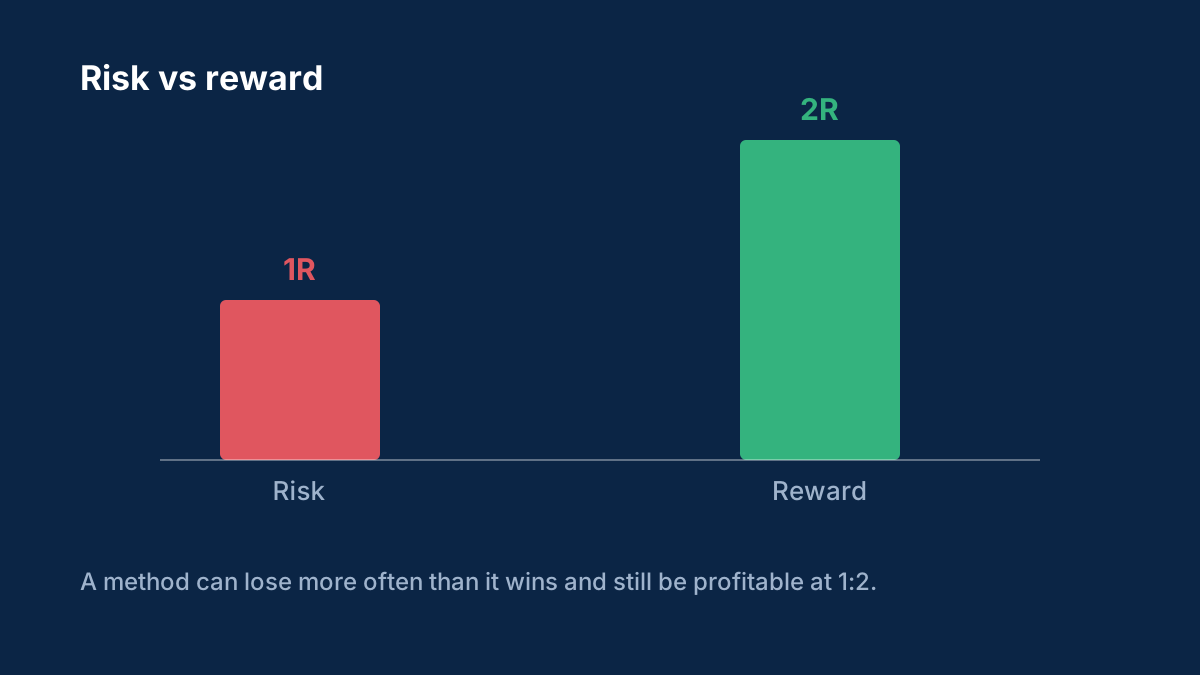
Currency correlation explained shows how closely these pairs have tended to move, and position sizing explains how to fix the risk per trade. Put the two together and a common question comes up: if you risk 1% on each trade, are you really risking 1% or closer to 2%?
Correlations aren't fixed, and they change with events. The Fed's rate increase this week and the Bank of England's split vote can give the two pairs different drivers, which is when they may stop moving together.
Questions for members:
- Do you cap total exposure to one currency, for example the dollar, across all your open trades?
- Do you treat correlated trades as one position and split the risk, or size each one independently?
- Do you use a correlation table or tool, and how often do you check it?
- Have you had a week when several "different" trades lost together because of one currency?
If you trade a mix of USD pairs, crosses like EUR/GBP, and gold, tell us how you build the picture of your total exposure.
Please share your own method, not calls for others to copy. Posts that promise a direction or sell signals will be removed.
Comments
Log in to join the discussion. Comments follow the community guidelines.
Log in to commentLoading comments…