Do you hold forex positions over the weekend? What is your rule for gap risk?
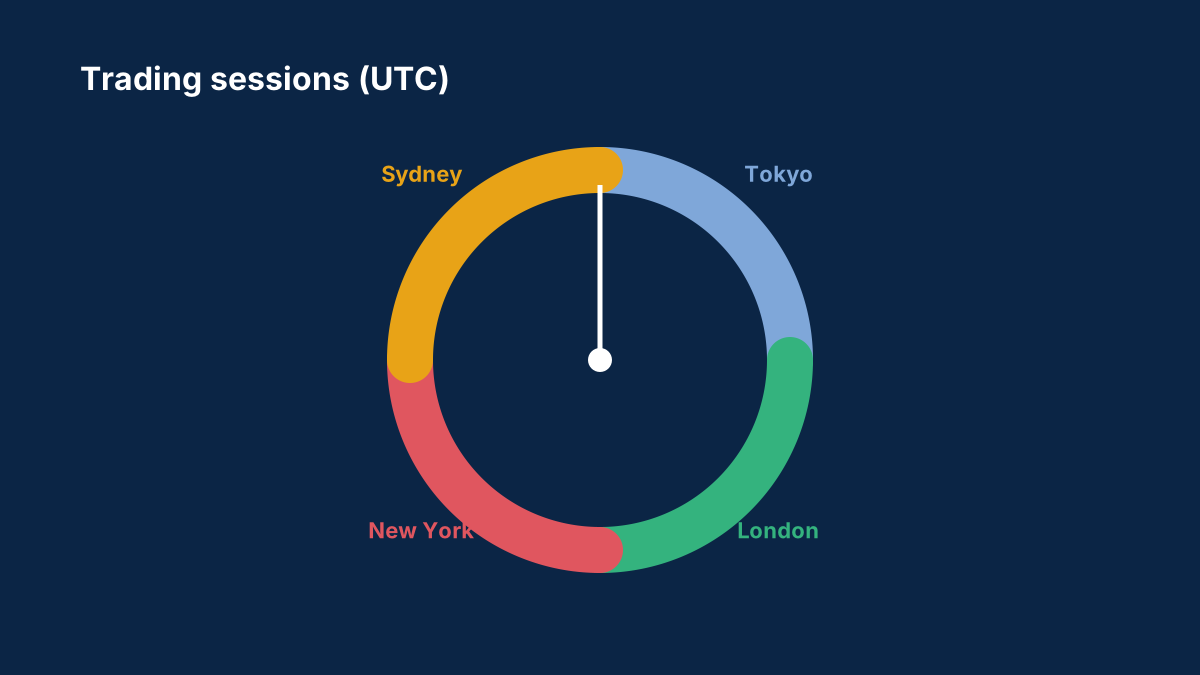
The forex market week runs from Sunday evening to Friday evening, with the market week on FTC's sessions page counted from 17:00 New York time on Sunday to 17:00 on Friday. In between there is a gap of a couple of days when nothing trades, and news doesn't stop just because the market has.
Weekend gaps explained covers what can happen when the market reopens: the first price can be well away from Friday's close, and a stop-loss order can fill at a worse price than the level you set, because the stop becomes a market order once the price is reached.
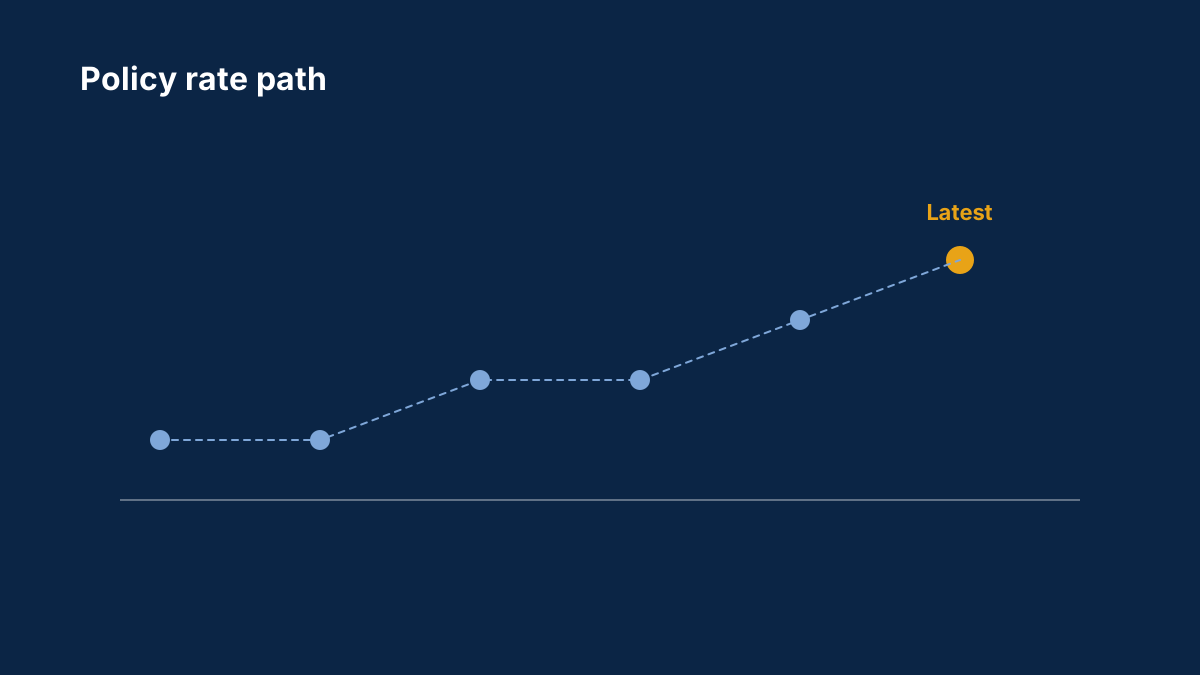
This week is a reminder of why it matters. Three major central banks made decisions within three days, and next week has more: the Swiss National Bank, Norges Bank and the Riksbank all announce on 24 September, and the RBA follows on 29 September.
We would like to hear how members handle it:
- Are you flat before the weekend, or do you hold? Does it depend on the type of trade, such as a short-term idea against a multi-week position?
- If you hold, do you reduce size, widen stops or hedge?
- Have you been hit by a gap? What happened, and did it change your rules?
- Do you know your broker's weekend margin and stop-order policies, and where did you find them?
Bid, ask and slippage explained is useful background on why fills differ from stops. Please share your own rules, not calls for others to copy. Posts that promise a direction or sell signals will be removed.
Background: Bid, ask and slippage: why your order fills at a different price
Why buy trades open at one price and close at another, why a stop can trigger when the chart never touched it, and how slippage happens.
Why did my stop-loss trigger when the price on the chart didn't reach it?
Charts usually show the bid price, but a sell position's stop is triggered by the ask. If the spread widened, the ask could have touched your stop while the bid line stayed away from it.
What is slippage?
The difference between the price you expected and the price your order was filled at. It is most common in fast or thin markets, such as around news releases.
Comments
Log in to join the discussion. Comments follow the community guidelines.
Log in to commentLoading comments…