Central bank decisions: do you trade them or sit out?
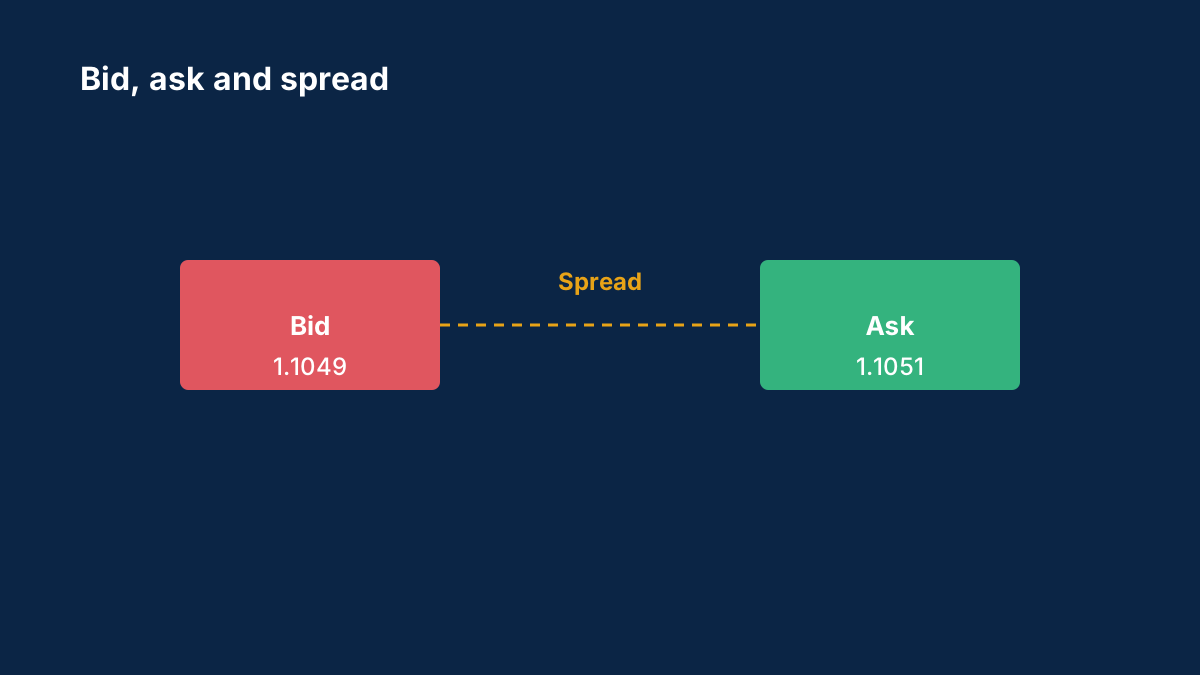
Rate decisions can move a currency more in a minute than in the rest of the day, and spreads often widen sharply just before the announcement. Traders handle that very differently.
Which camp are you in?
- Flat before the release, and only trading once the dust settles
- Holding existing positions, with stops adjusted for the event
- Trading the reaction, in the first minutes or once the press conference starts
Explain the reasoning behind your approach, and what a bad experience taught you if you've had one. A decision can be fully expected and still move the market, because traders react to the statement, the vote split and the projections as well as the rate. The mechanics are covered in how interest rate decisions move currencies.
Background: How interest rate decisions move currencies
Central bank decisions are the biggest scheduled events in forex. Why rates matter, why a hike can weaken a currency, and what to read beyond the decision.
Does a rate hike always strengthen a currency?
No. If the hike was fully expected, it is already in the price. The currency can even weaken if the central bank signals that it won't raise rates further.
What does hawkish mean?
Leaning towards higher interest rates to control inflation. A hawkish surprise usually supports the currency.
Comments
Log in to join the discussion. Comments follow the community guidelines.
Log in to commentLoading comments…
This week offers a live case study for all three approaches: the Fed on 16 September, the Bank of England on 17 September and the Bank of Japan on 18 September.
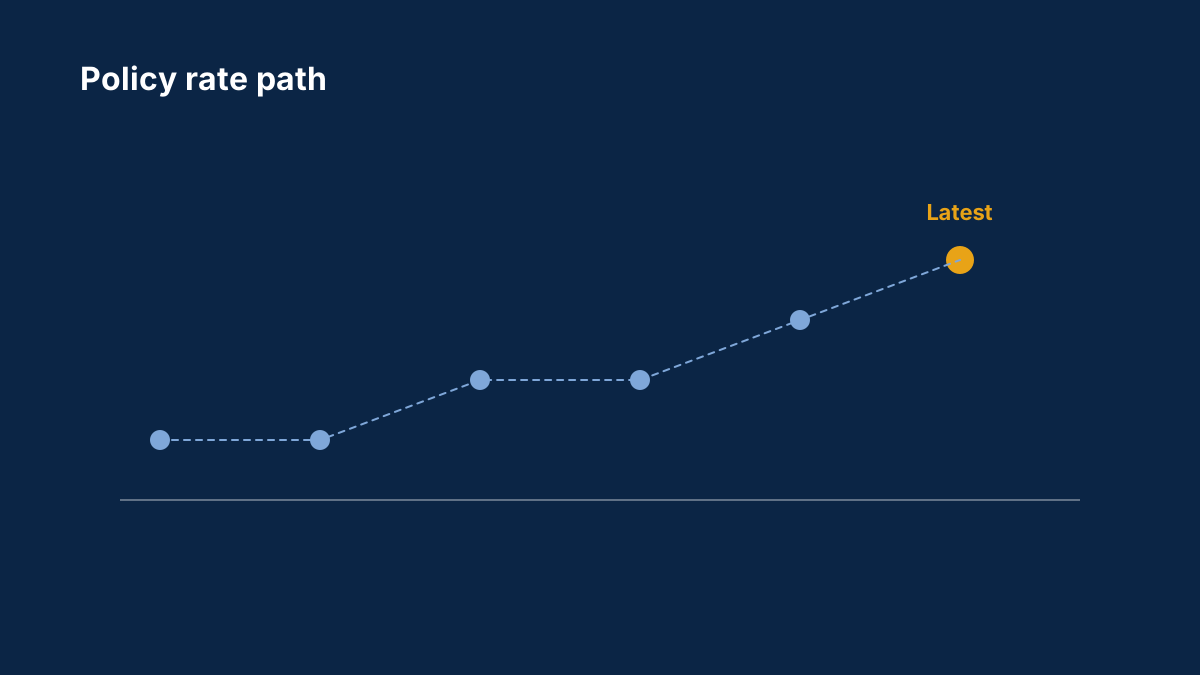
The Fed's decision is a good example of why "expected" doesn't mean "no move". The increase to 3.75%–4.00% was the first since 2023, and the projections and press conference gave traders more to react to after the rate itself (report).
A few practical points for each approach:
- Flat before: decide in advance how long you'll wait, for example until the press conference has started, so the waiting doesn't turn into chasing.
- Holding through: size the position for the loss if price gaps past your stop, not the loss at the stop.
- Trading the reaction: spreads can stay wide for several minutes, so include that cost in the plan.
Background: how interest rate decisions move currencies. Members, which approach did you use this week, and would you change it?
0