Trading the London open: do you use the Asian session range?
The London open, at 07:00 UTC in summer and 08:00 UTC in winter, brings a jump in volume after the quieter Asian session. Some traders mark the Asian session's high and low and trade breaks of that range once London starts.
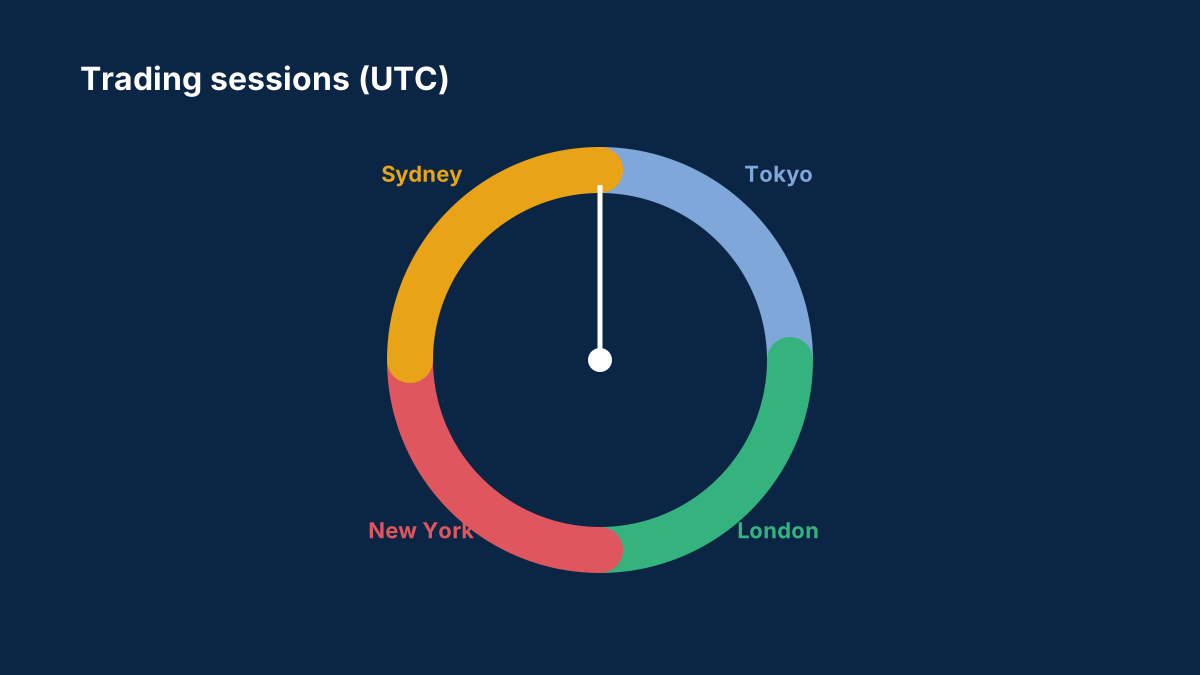
If you trade this window:
- Which pairs do you focus on? GBP and EUR pairs are the obvious choices, but not the only ones.
- How do you define the range, and how do you filter out false breaks?
- How do early European data releases change your plan?
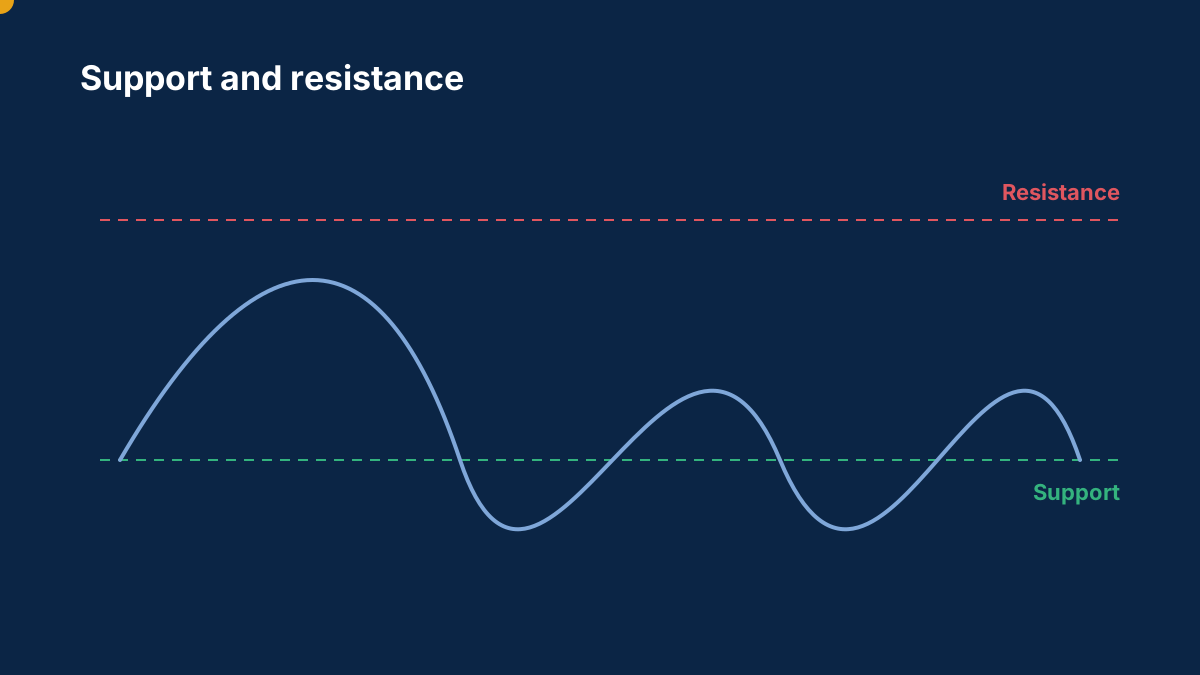
Share results over a meaningful number of trades if you have them. The sessions guide shows how session times shift with daylight saving.
Background: Forex market hours: the Sydney, Tokyo, London and New York sessions
Currencies trade around the clock on weekdays, but not with the same liquidity. Session times in UTC, the overlaps that matter and the daylight-saving trap.
What time does the forex market open on Sunday?
Most brokers open at 5 p.m. New York time on Sunday, which is 21:00 UTC in summer and 22:00 UTC in winter.
What is the best time to trade forex?
Liquidity is usually highest during the London–New York overlap, roughly 12:00 to 16:00 UTC in the northern summer, when spreads on major pairs tend to be tightest. Whether that suits you depends on the pairs you trade and your strategy.
Comments
Log in to join the discussion. Comments follow the community guidelines.
Log in to commentLoading comments…
A few details that matter when testing an Asian range breakout, to go with members' experiences.
- Define the range precisely. For example, the high and low between 00:00 and 07:00 UTC in summer. A consistent window matters more than the exact choice.
- Watch the clock changes. London moves back to 08:00 UTC at the end of October, while the Asian session doesn't shift the same way, so the range window needs adjusting.
- Filter by range size. An unusually wide Asian range leaves less room for the breakout to run, and an unusually narrow one is more prone to false breaks.
- Check the calendar. UK and euro area data released shortly after the open can reverse the first move.
A common way to handle false breaks is to require a candle close outside the range, or a retest of the broken level, before entering. That cuts the number of trades and usually the number of false signals too.
The market sessions page shows current open times in UTC. Members, which filter made the biggest difference for you?
0