Two central banks in one week: how do you manage risk?
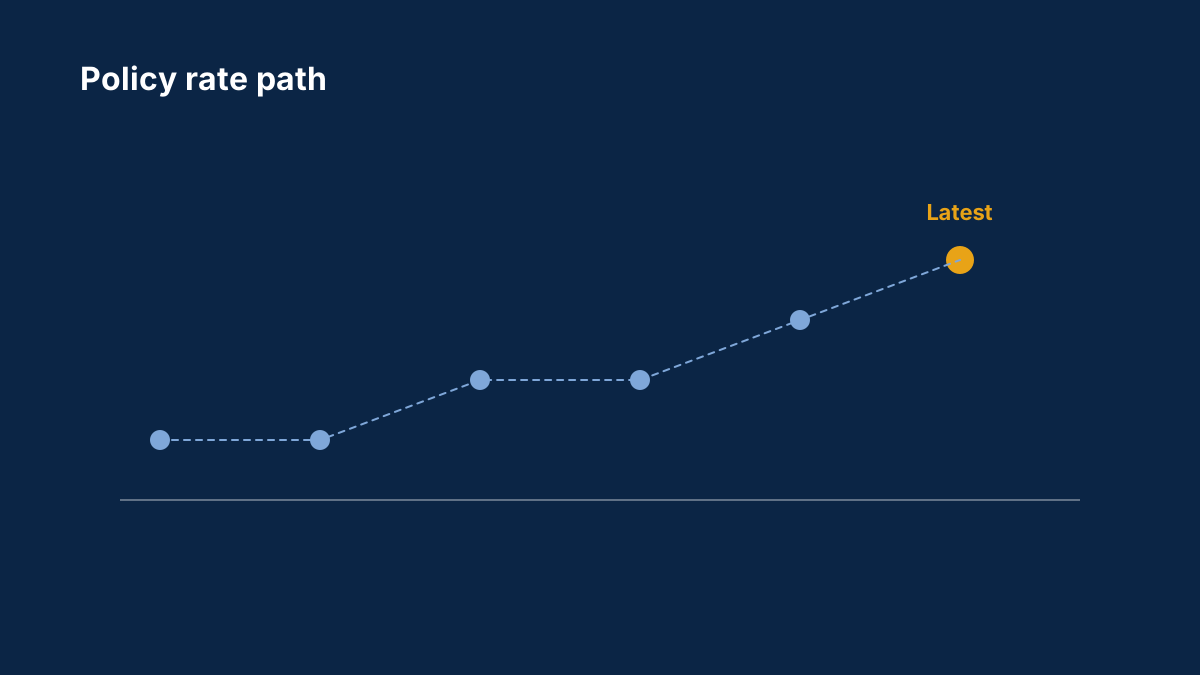
In the week of 28 October 2026, the Bank of Canada raised its rate and the Federal Reserve held its own, by a 10–2 vote (the BoC decision; FOMC statement). Two decisions in one week can overlap in the same positions, and the risk of one can land on top of the other before either has played out.
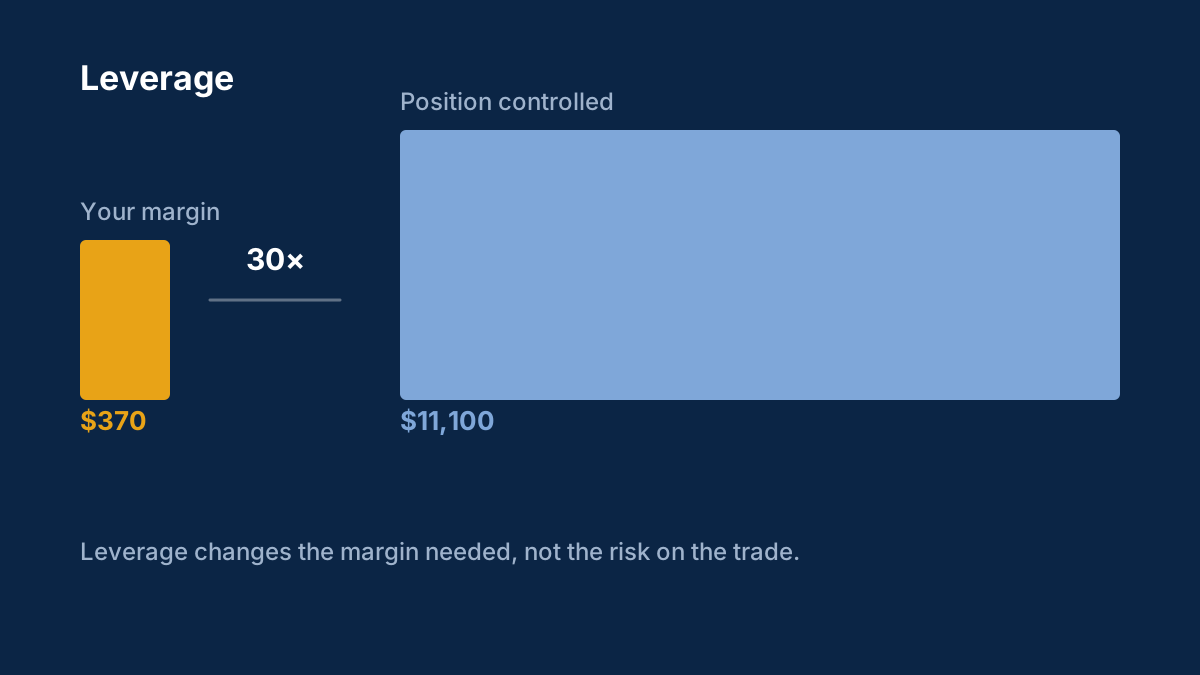
Managing that risk starts with a list of what each decision touches. A trade in one currency can carry exposure to the dollar, the loonie or both, depending on the pair. Members often find that a second decision lands before the first has settled. Leverage and margin explained shows how the size of one position changes the margin left for the next, which is where a two-decision week becomes a real constraint.
We would like to hear how you handle it:
- How do you add up the exposure from two decisions in one week?
- Do you reduce size before the second decision, or keep it?
- Which currency do you treat as the shared risk when two banks move?
- What would make you close a position before a decision rather than through it?
Please share your own approach and reasoning, not calls for others to copy. Posts that promise a direction or sell signals will be removed.
Background: Leverage and margin explained: margin calls, stop-outs and how losses grow
Leverage lets you control a large position with a small deposit. It magnifies losses exactly as much as gains, and it is behind most blown trading accounts.
What does 30:1 leverage mean?
You can control a position 30 times larger than your margin deposit. $1,000 of margin opens a $30,000 position, and gains and losses are calculated on the full $30,000.
What is a margin call?
A warning from your broker that losses have reduced your margin level to a set threshold. If it keeps falling, the broker starts closing positions automatically, which is called a stop-out.
Comments
Log in to join the discussion. Comments follow the community guidelines.
Log in to commentLoading comments…