Forex broker trading conditions: what do you compare beyond the spread?
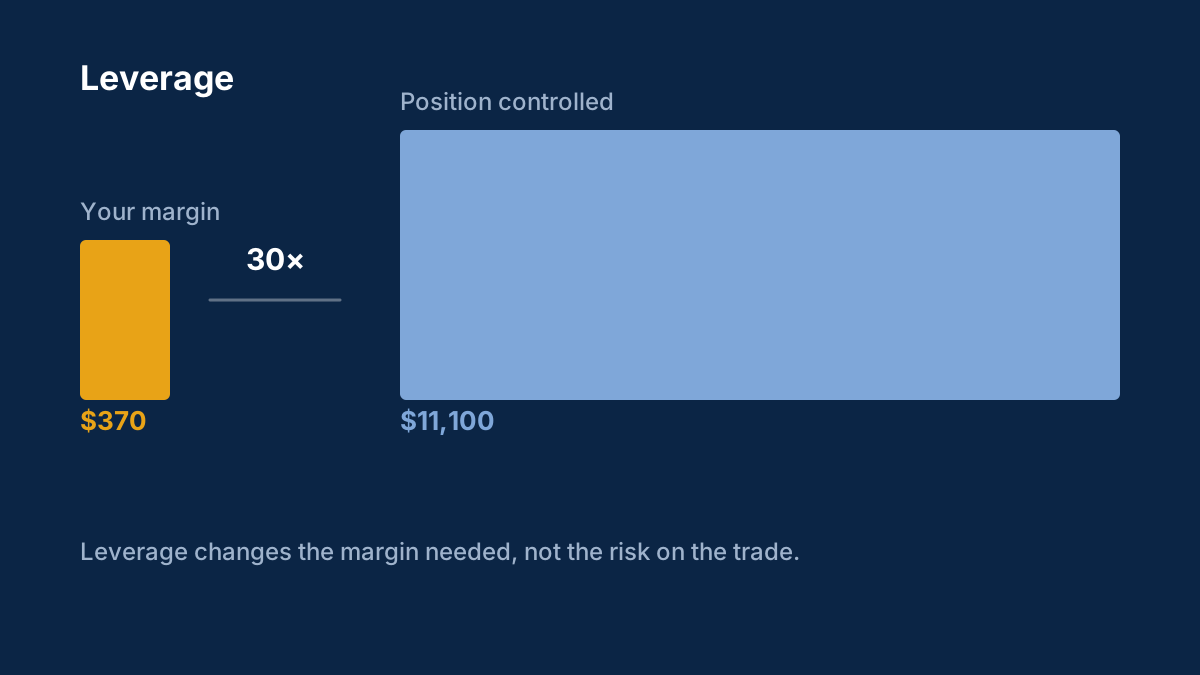
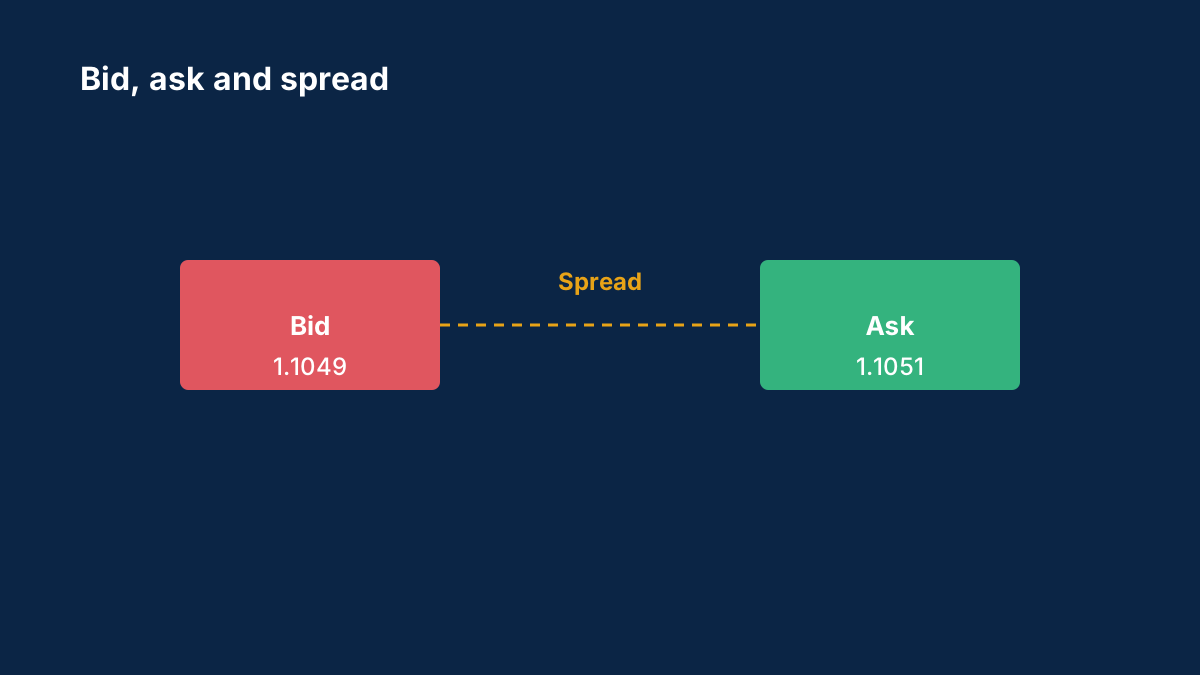
A forex broker comparison usually starts with the spread, but it also has to cover commission, swap (the overnight charge on positions held past the rollover), minimum deposit, account types, the platforms offered and the leverage you can use. Leverage limits are set by the rules of the regulator that licenses the company you open an account with, and a broker may offer less than that limit. The leverage and margin guide explains why the same brand can differ by country. The trading costs guide shows how spread, commission and swap add up over a holding period. Each broker profile lists the conditions the broker publishes, with its source beside each figure.
Questions for members:
- Which condition decided your choice, and did you find it on the broker's pricing page or in the account agreement?
- If you hold a trade for a week, which charge costs you most: spread, commission or swap?
- Have you found a condition that differed between the website and the terms? How did you check?
Background: How to choose a forex broker: the 2026 checklist
The broker is the most important business decision a trader makes, and the marketing makes it hard. Here is the checklist that cuts through it — regulation first, costs second, everything else after.
What should I check first when choosing a forex broker?
Regulation. Which regulator stands behind the account, which entity of the broker you would be trading with, and whether both verify on the regulator's own register. Nothing else matters if the broker can disappear with the money.
Why does the entity matter more than the brand?
The same brand usually runs multiple entities — a regulated one for strict jurisdictions and an offshore one for others. The protections follow the entity named in your client agreement, not the logo on the website.
Comments
Log in to join the discussion. Comments follow the community guidelines.
Log in to commentLoading comments…