Do you keep two accounts with one broker separate? Why?
Some members open more than one account with the same broker, for example a demo, a live account and a second live account with different terms. Each account has its own margin, its own execution and its own statement, and mixing them can make results hard to read. How to choose a forex broker sets out the points to compare when picking a broker, including account types and the terms that differ between them.
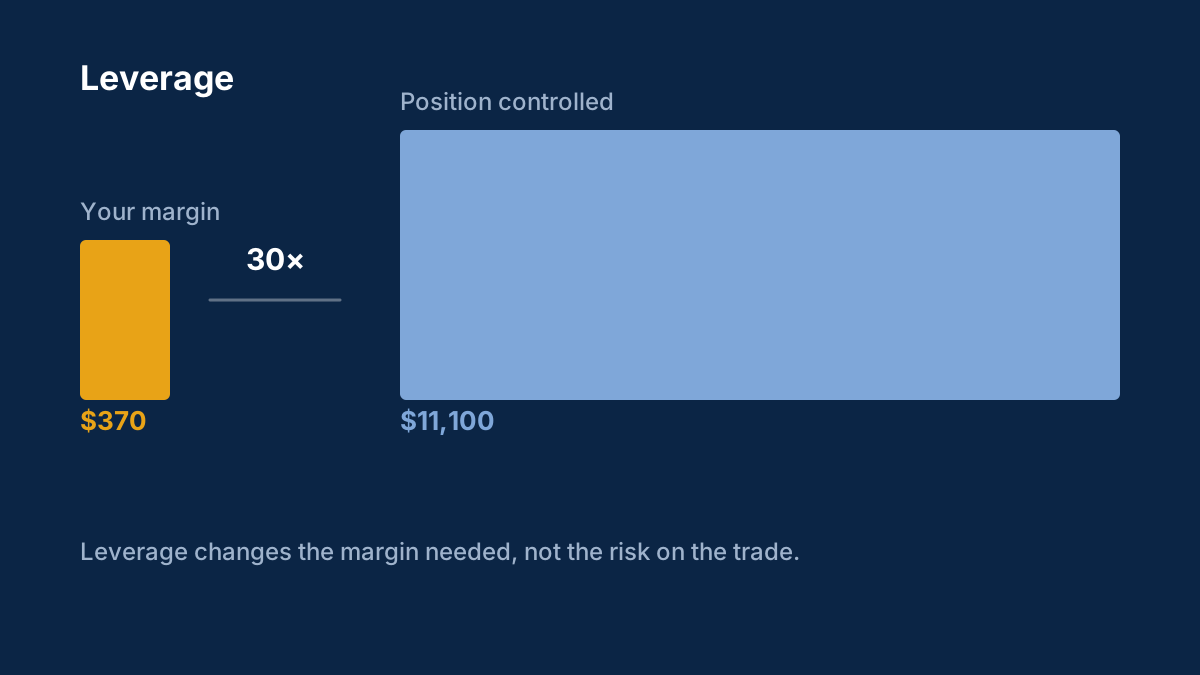
Members who keep accounts separate usually do it for a clear reason: to test a strategy on one account without risking the other, or to keep a long-term account apart from a short-term one. The cost is the time spent on two statements, and the risk of confusing which account a trade was placed on. A simple naming rule and a separate journal for each account can prevent most of that confusion.
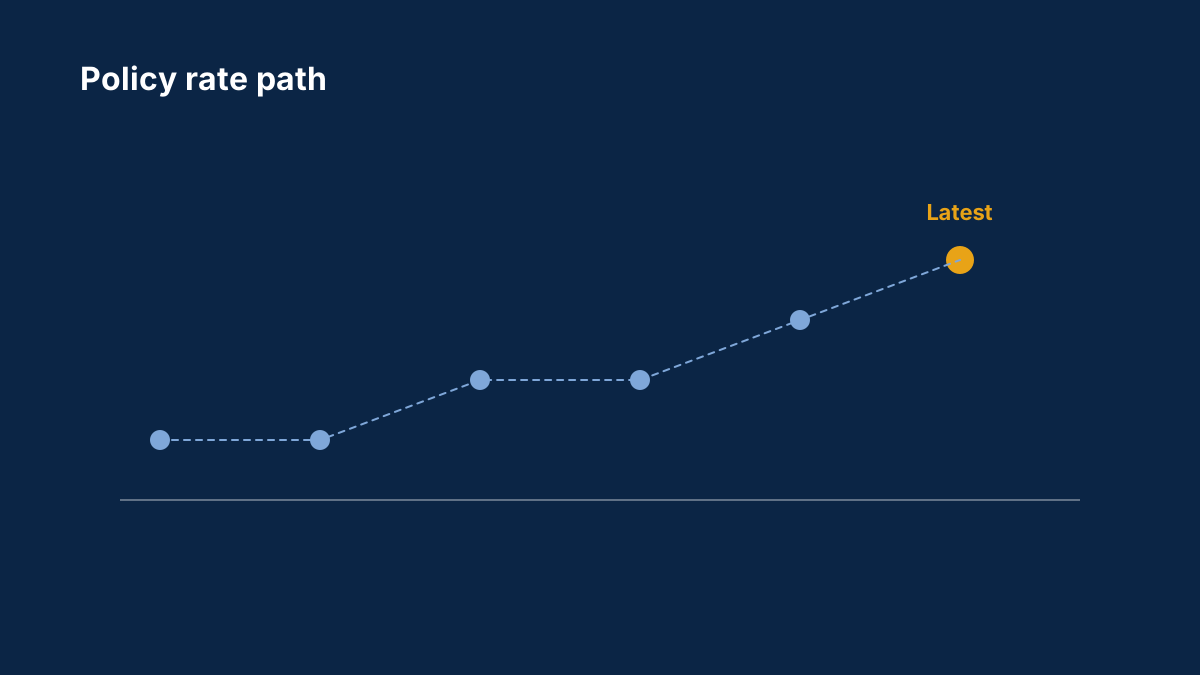
We would like to hear how you set it up:
- Do you keep more than one account with the same broker? Why?
- How do you stop a trade being placed on the wrong account?
- Do you keep a separate journal for each account, or one for both?
- What would make you close a second account and move everything to one?
Please share your own approach and reasoning, not calls for others to copy. Posts that promise a direction or sell signals will be removed.
Background: How to choose a forex broker: the 2026 checklist
The broker is the most important business decision a trader makes, and the marketing makes it hard. Here is the checklist that cuts through it — regulation first, costs second, everything else after.
What should I check first when choosing a forex broker?
Regulation. Which regulator stands behind the account, which entity of the broker you would be trading with, and whether both verify on the regulator's own register. Nothing else matters if the broker can disappear with the money.
Why does the entity matter more than the brand?
The same brand usually runs multiple entities — a regulated one for strict jurisdictions and an offshore one for others. The protections follow the entity named in your client agreement, not the logo on the website.
Comments
Log in to join the discussion. Comments follow the community guidelines.
Log in to commentLoading comments…