BoJ holds with one vote for 1.5%: does the dissent or the guidance matter more?
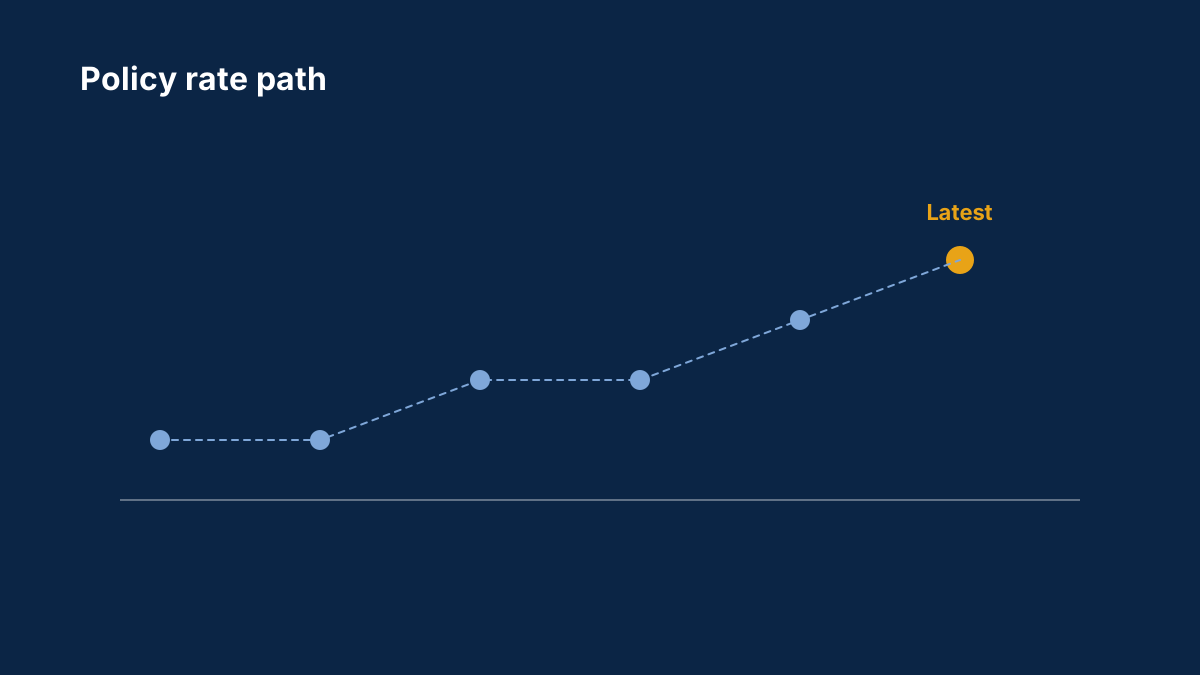
The Bank of Japan kept its guideline at 1.25%, and one member voted for 1.5% (news). A single dissent can show where the next move is heading, but the statement's wording on timing says something too. The yen is also exposed to intervention risk, which is one reason USD/JPY moves can be sharp around a decision. How to trade USD/JPY covers the rate gap, the Bank of Japan and intervention together. Questions for members:
- When a central bank holds with a dissent, which part of the statement do you read first?
- Does a dissent for a hike change how you size a USD/JPY position?
- What would make you treat a single dissent as the start of a move rather than noise?
Background: How to trade USD/JPY: BoJ, carry and intervention risk
USD/JPY pays you for the rate gap and threatens you with intervention. Here is how the Bank of Japan, US yields and the threat of sudden yen-buying operations all fit into one trading plan.
Why is a pip different on USD/JPY?
Yen pairs are quoted to two decimal places because one yen is worth a small fraction of a dollar, so the standard pip is the second decimal place: 150.10 to 150.11 is one pip.
What is yen intervention?
Intervention is when Japanese authorities buy yen in the market to support its value. It is unannounced, can move USD/JPY hundreds of pips in minutes, and in 2026 was conducted jointly with the United States.
Comments
Log in to join the discussion. Comments follow the community guidelines.
Log in to commentLoading comments…