US housing starts fall 2.6% to 1.275 million in August as building permits slip 2.7%
The Census Bureau said single-family starts rose 7.6% to 918,000 while apartment building slowed, and completions dropped 11.9%. Most of the monthly moves are within the survey's margin of error.
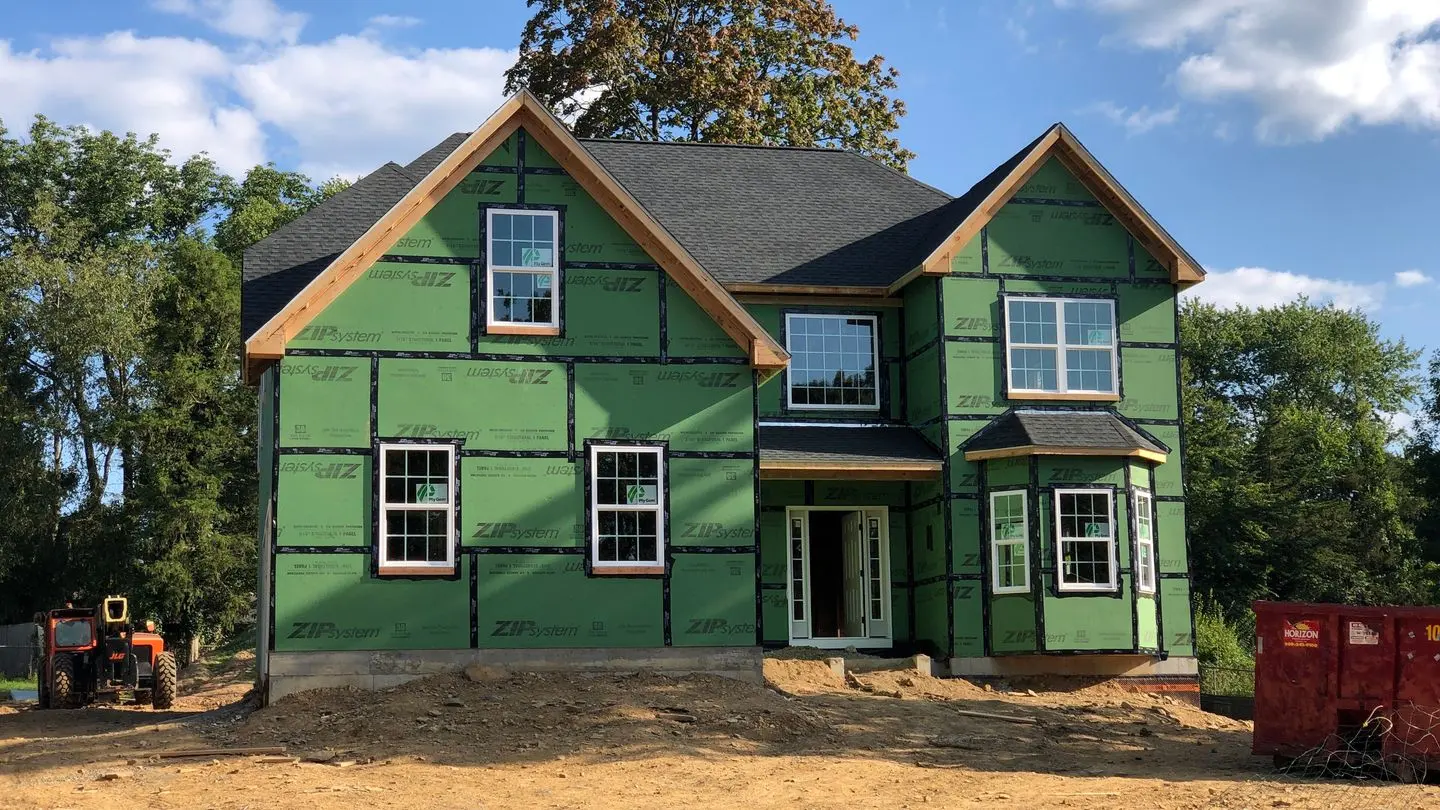
US housing starts fell 2.6% in August to a seasonally adjusted annual rate of 1,275,000, the Census Bureau and the Department of Housing and Urban Development said on 17 September. Building permits, which signal construction to come, slipped 2.7% to 1,394,000. Most of the monthly changes are within the survey's margin of error, so they shouldn't be read as a clear turn.
Housing starts
- Total starts: 1,275,000, which is 2.6% below July's revised 1,309,000 and 1.2% below the 1,291,000 of August 2025
- Single-family starts: 918,000, up 7.6% from July's revised 853,000
- Buildings of five units or more: 344,000
Building permits
- Total permits: 1,394,000, which is 2.7% below July's revised 1,433,000 but 3.5% above the 1,347,000 of August 2025
- Single-family permits: 878,000, down 1.8% from July's revised 894,000
- Buildings of five units or more: 467,000
Housing completions
Completions fell to 1,128,000, which is 11.9% below July's revised 1,280,000 and 27.1% below the 1,548,000 of August 2025. Single-family completions were 816,000, down 10.4% from July, and completions in buildings of five units or more were 302,000. Unlike the starts figures, the changes in total completions are statistically significant.
How much weight the numbers carry
The Census Bureau publishes a 90% confidence range with each change. The 2.6% fall in total starts carries a range of plus or minus 12.0 percentage points, and the 7.6% rise in single-family starts a range of plus or minus 14.0, so neither is statistically significant. The Bureau adds that it may take three months to establish an underlying trend for permits and six months for starts and completions. The mix is the more useful clue: single-family starts rose while starts in larger buildings stood at 344,000, and permits remain above their year-earlier level.
The wider housing picture
Other September readings point to a cautious market. Home builder confidence fell to 32, with 38% of builders cutting prices (report), and existing-home sales fell 2.0% to 3.98 million as inventory reached a decade high (report).
What it means for the dollar
Housing is one of the most interest-rate-sensitive parts of the economy, which is why currency traders keep an eye on it. The Federal Reserve raised its target range to 3.75%–4.00% on 16 September (report). Housing starts rarely move the dollar by themselves; they matter as one input into how long the Fed keeps rates high, next to jobs and inflation (how interest rate decisions move currencies). Live prices: EUR/USD.
What comes next
The September report is scheduled for 20 October 2026.
Sources
Common questions
What are housing starts?
Housing starts count new privately owned housing units on which construction began in a month, shown at a seasonally adjusted annual rate. The Census Bureau publishes them monthly with building permits and completions.
How many housing starts were there in August 2026?
1,275,000 at a seasonally adjusted annual rate, 2.6% below July's revised 1,309,000 and 1.2% below August 2025. Single-family starts were 918,000 and buildings of five units or more 344,000.
What is the difference between housing starts and building permits?
A permit authorizes construction and comes first; a start is counted when construction actually begins. That is why permits are read as a guide to future starts. August permits were 1,394,000, down 2.7% from July.
Was the fall in housing starts significant?
Not statistically. The Census Bureau's 90% confidence range for the 2.6% monthly change in total starts is plus or minus 12.0 percentage points, wide enough to include zero.
What did housing completions show?
Completions were 1,128,000, down 11.9% from July and 27.1% from a year earlier, and both changes are statistically significant.
When is the next housing starts report?
The report for September 2026 is scheduled for 20 October 2026.
Do housing starts affect the US dollar?
Only indirectly. Housing reacts strongly to borrowing costs, so traders read starts and permits as one input into how long the Federal Reserve keeps rates high, next to jobs and inflation data.
This article is for information only and is not financial advice. Trading forex and CFDs carries a high risk of losing money. Read the risk warning. Spotted an error? Tell the editors.
Related reading
US industrial production is unchanged in August as factory output falls 0.3% after seven straight gains
Foreign purchases of long-term US securities slow to $40.6 billion in July from $208.9 billion in June
BIS Quarterly Review: government bond yields climbed, term premiums rose and the dollar gave back its July gains

Comments
Log in to join the discussion. Comments follow the community guidelines.
Log in to commentLoading comments…