Slippage on news: how did your broker fill your orders?
Slippage around major releases is normal in fast markets. What differs between brokers is how often it happens, whether it only ever goes against you, and how clearly they explain it.
If you've traded through a release such as US payrolls or a central bank decision, share:
- the broker, and the regulator your account is under (check your client agreement)
- the order type: market, stop or limit
- the price you requested, the fill you got and the time
- whether you've ever had positive slippage, where the fill was better than requested
Please keep account numbers out of your post, and stick to what happened. A broker's order execution policy should explain how it handles fast markets; if yours doesn't, say so. Background: bid, ask and slippage.
Background: Bid, ask and slippage: why your order fills at a different price
Why buy trades open at one price and close at another, why a stop can trigger when the chart never touched it, and how slippage happens.
Why did my stop-loss trigger when the price on the chart didn't reach it?
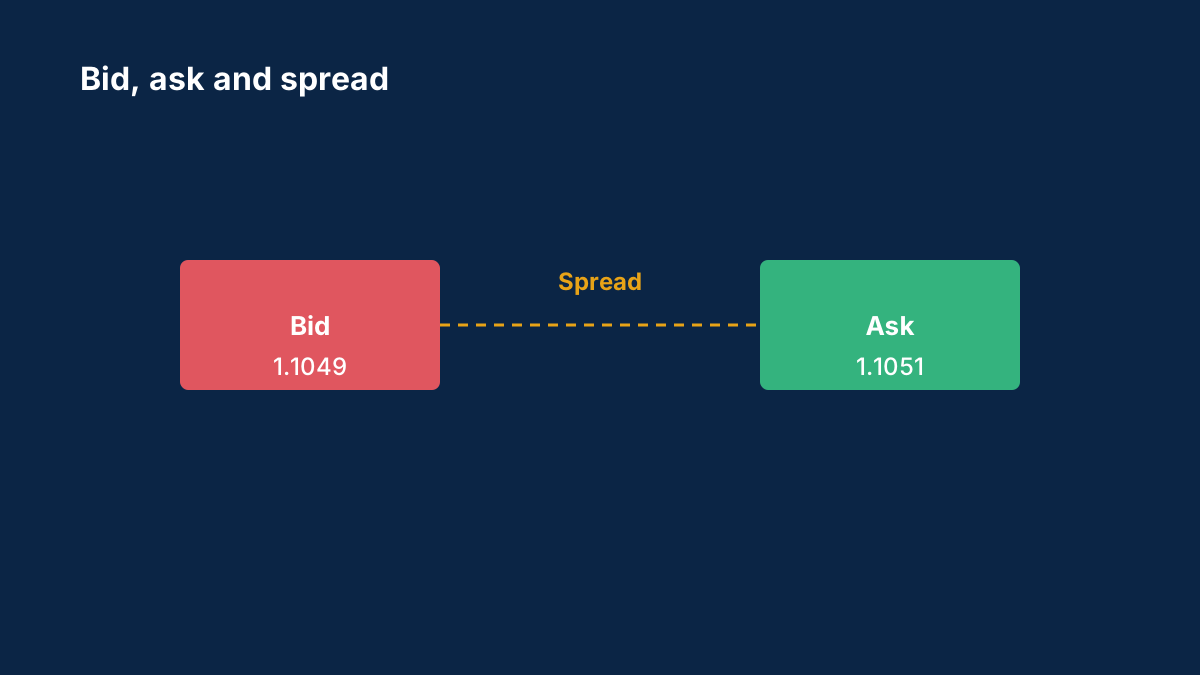
Charts usually show the bid price, but a sell position's stop is triggered by the ask. If the spread widened, the ask could have touched your stop while the bid line stayed away from it.
What is slippage?
The difference between the price you expected and the price your order was filled at. It is most common in fast or thin markets, such as around news releases.
Comments
Log in to join the discussion. Comments follow the community guidelines.
Log in to commentLoading comments…
Some background that helps interpret the fills members post.
- Market and stop orders fill at the next available price. In a fast market that can be worse than requested (negative slippage) or better (positive slippage).
- Limit orders fill at your price or better, but may not fill at all if price jumps past them.
- Symmetry is the thing to check. A broker that passes on both negative and positive slippage treats clients more fairly than one where fills only ever move against you. The order execution policy should say how this works.
Useful details to compare:
- The order type.
- The requested price and the fill.
- The time to the second, if your platform shows it.
- Whether any fill in the last few months was better than requested.
Brokers regulated in the UK and EU must follow best execution rules and publish an execution policy. Background: bid, ask and slippage explained. Members, have you ever received positive slippage on a stop order?
0