Spreads at rollover: what do you see around 5 p.m. New York time?
Around the daily rollover, liquidity thins as banks close their books, and spreads on many pairs widen for a few minutes. On some accounts that's enough to trigger stops or cause an unexpected margin call.
If you've watched it happen in your own platform, share:
- the broker, account type and pair
- the normal spread, and the widest spread you saw around rollover
- how long the widening lasted
Include the date, because spreads can be wider on some days of the week and around holidays. If you trade the Monday open, the same question applies to the first minutes after the market reopens.
Background: Leverage and margin explained: margin calls, stop-outs and how losses grow
Leverage lets you control a large position with a small deposit. It magnifies losses exactly as much as gains, and it is behind most blown trading accounts.
What does 30:1 leverage mean?
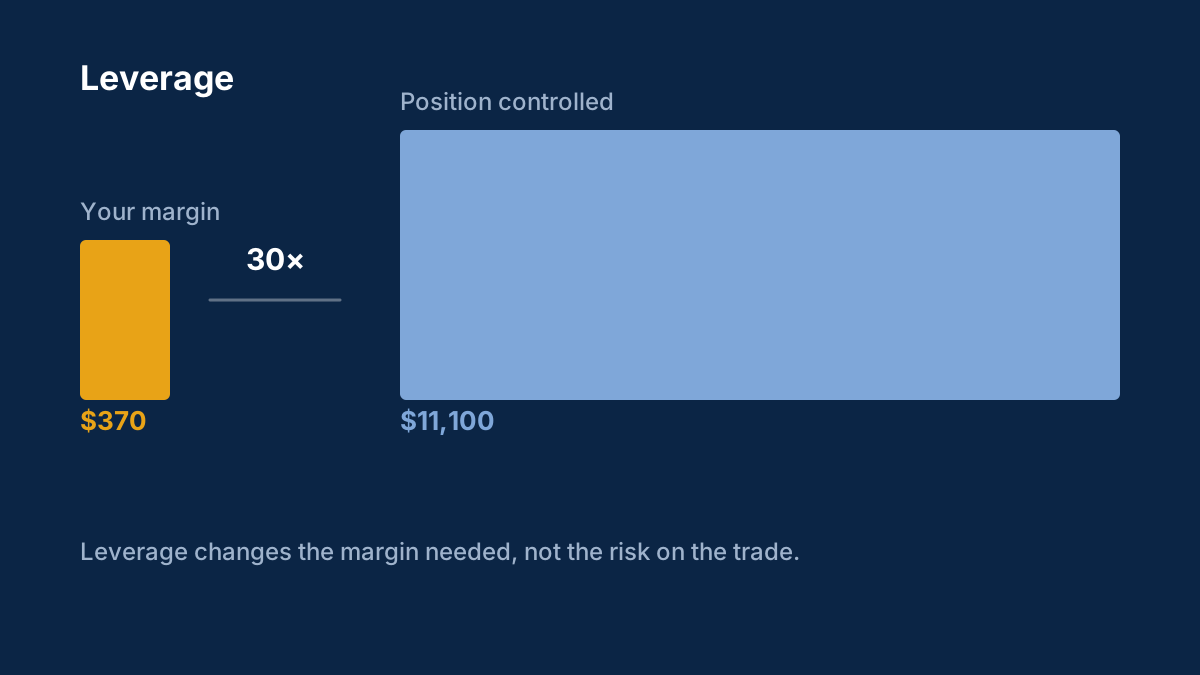
You can control a position 30 times larger than your margin deposit. $1,000 of margin opens a $30,000 position, and gains and losses are calculated on the full $30,000.
What is a margin call?
A warning from your broker that losses have reduced your margin level to a set threshold. If it keeps falling, the broker starts closing positions automatically, which is called a stop-out.
Comments
Log in to join the discussion. Comments follow the community guidelines.
Log in to commentLoading comments…
Some context to help members compare what they post.
Rollover happens at 5 p.m. New York time, when the trading day ends and positions held overnight are charged or paid swap. In the minutes around it, many liquidity providers widen or pause their prices, so spreads on some pairs can be several times their daytime level. The effect is often strongest on crosses and exotic pairs and on the Monday open.
Two practical points:
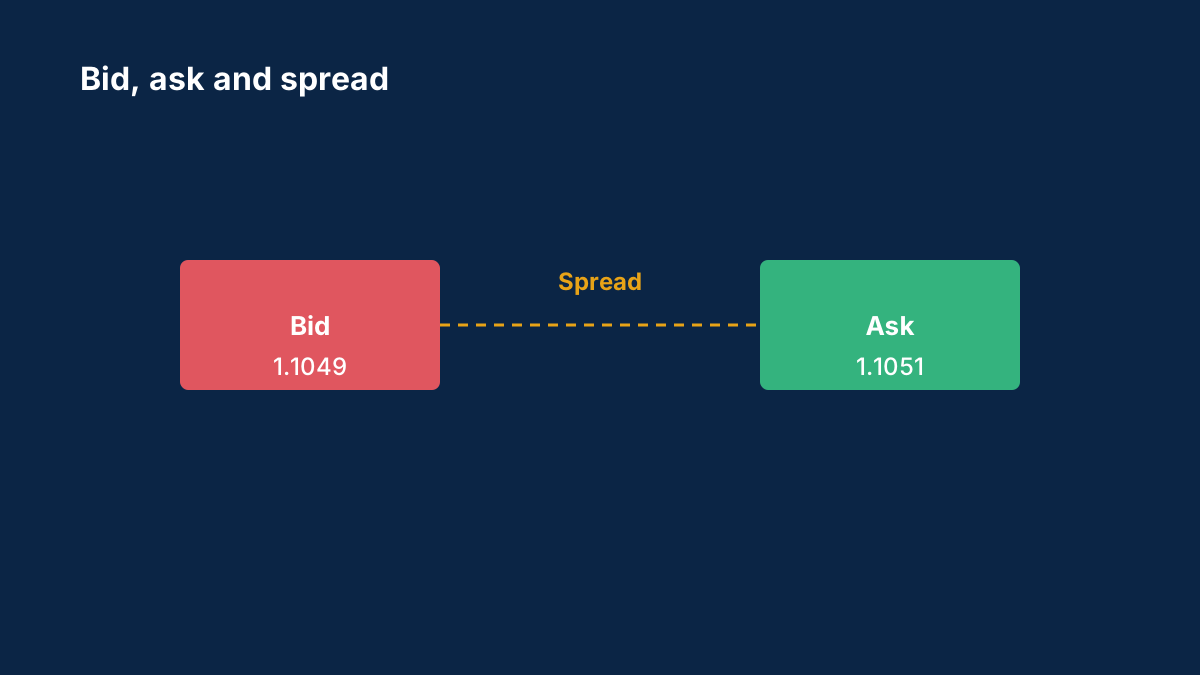
- Buy orders trigger on the ask, sell orders on the bid. A wide spread can trigger a buy stop or a short position's stop-loss even if the chart, which usually shows the bid, never touches your level.
- Tight stops and high margin use are most exposed. A temporary spread spike can trigger a stop or push margin level toward stop-out.
For comparisons, please include the time zone of your screenshot description and the date. Background: bid, ask and slippage and spread, commission and swap.
0