How much do you trust a consensus forecast before a release?
Before a major release, the market usually settles on a consensus forecast, and the release is read against it. The forecast is an average of professional estimates, and it can be wrong by more than the surprise traders are trying to catch. How to use an economic calendar explains how to read the forecast next to the actual figure, and why the gap between the two is what moves most markets.
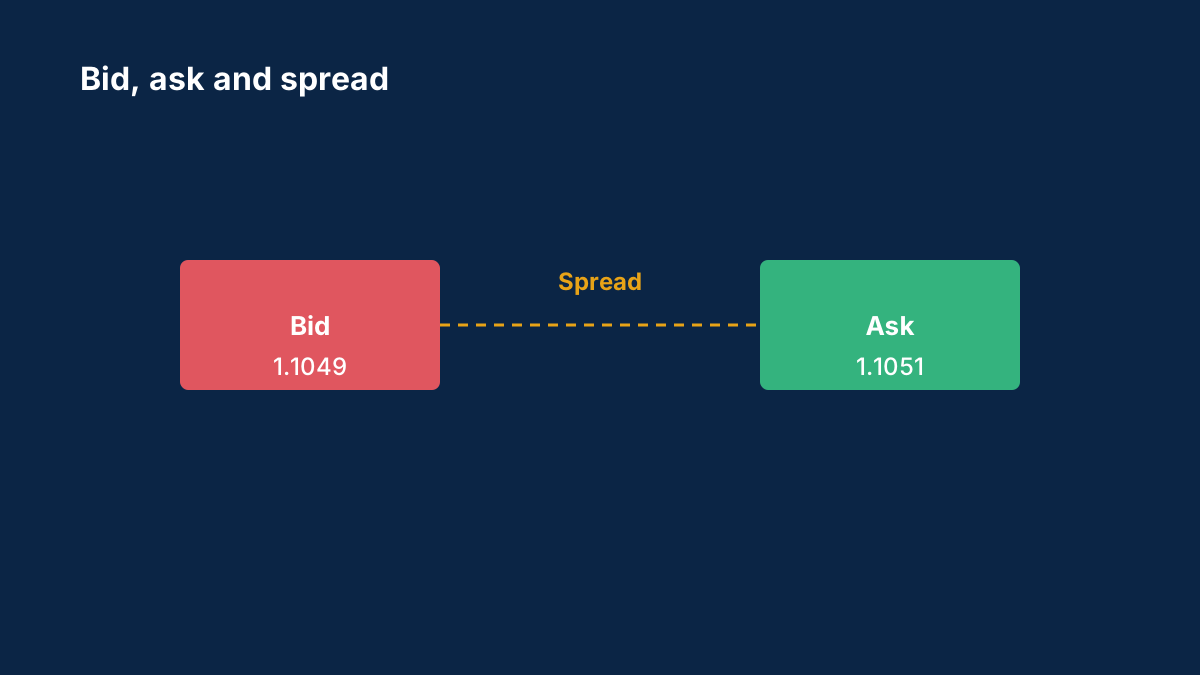
Members who trade around releases often ask how reliable a consensus is in practice. Some treat it as the benchmark, others look at the range of forecasts behind it, and a few check how far past releases have landed from the consensus. A forecast that everyone expects can leave little room for a surprise, and a wide spread of forecasts can mean the release is harder to read than the headline suggests.
We would like to hear how you use it:
- Do you treat the consensus as the benchmark, or only as a reference point?
- Do you look at the spread of forecasts behind the consensus?
- How often has a release landed far from the consensus in your experience?
- What would make you ignore a consensus and trade on your own view?
Please share your own approach and reasoning, not calls for others to copy. Posts that promise a direction or sell signals will be removed.
Background: How to use an economic calendar to plan your trading week
The calendar is the trader's weekly map: which releases matter, which pairs they move, and which days to trade small or not at all. Here is a Sunday-evening routine that turns it into a plan.
Which economic releases matter most for forex?
Central bank decisions, CPI and payrolls for the dollar; the same pattern for each currency's economy. The releases that matter are the ones that reach the pairs you trade — the calendar should be filtered to them.
What do actual, forecast and previous mean on a calendar?
Forecast is what the market expects, previous is the last reading, and actual is what lands on release day. The market reacts to the difference between actual and forecast — the surprise.
Comments
Log in to join the discussion. Comments follow the community guidelines.
Log in to commentLoading comments…