Central bank minutes: a signal, or background to the decision?
Central bank minutes record the discussion behind a decision, and they often come out weeks after the meeting. The Federal Reserve's minutes can show how the committee weighed the choice, including the views behind any dissent. Why central bank language matters covers how wording carries policy signals, which is the same skill a trader uses when reading minutes.
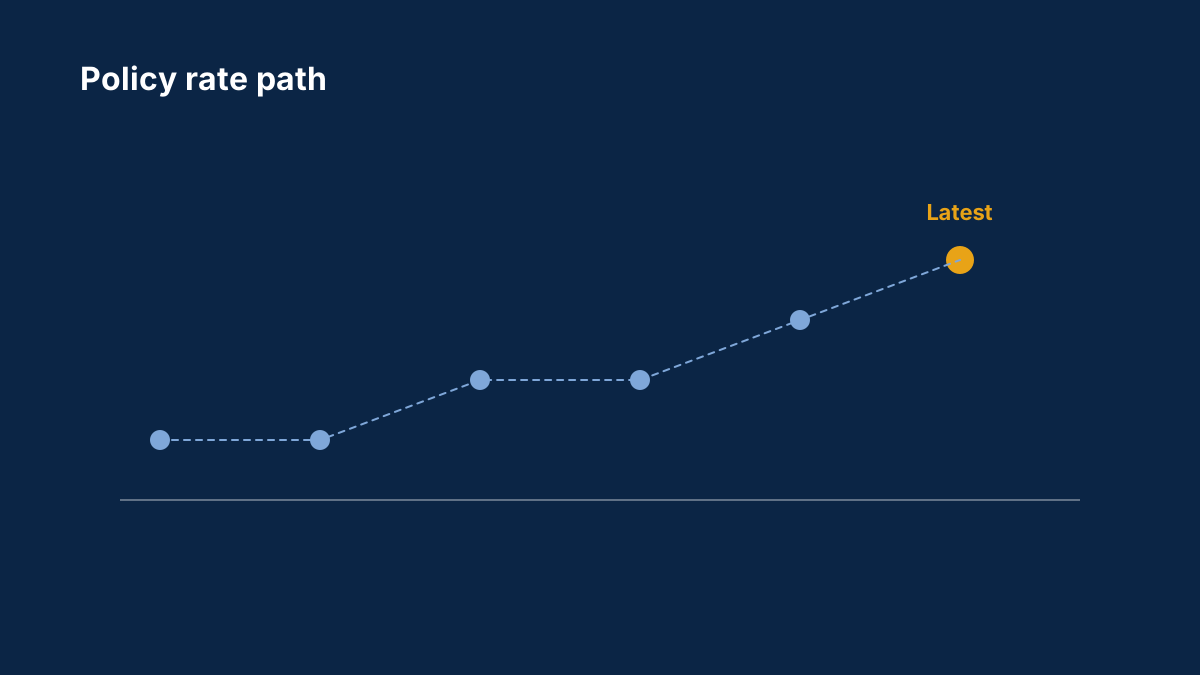
Members disagree on whether minutes move prices in a useful way. The answer usually depends on how far the minutes differ from the statement that came out on the day. Some trade the release on the day, looking for a shift in tone. Others treat it as background, because the decision has already been made and the market has moved on. The useful question is whether the minutes changed your view of the next decision, and whether the change is large enough to act on.
We would like to hear your approach:
- Do you trade central bank minutes, or treat them as background?
- What wording in the minutes would make you change a view?
- How do you compare the minutes with the statement and the press conference?
- Have you traded a set of minutes that moved a pair? What did it show you?
Please share your own approach and reasoning, not calls for others to copy. Posts that promise a direction or sell signals will be removed.
Background: Why one word from a central banker can move a currency
Central bank statements are written in a coded language, and the market hangs on every word change. Here is how the code works, which words carry weight, and how to read a statement like a trader.
Why do central bank words move currencies?
Because the words steer expectations about the next policy move, and currencies trade those expectations. A word change signals the path before any rate change happens — the language is the forward guidance.
Which words should I watch in a Fed statement?
The distribution words — some, many, most — the commitment ladder — will act versus prepared to act — and the inflation vocabulary — transitory versus persistent. Changes from the previous statement are the signal.
Comments
Log in to join the discussion. Comments follow the community guidelines.
Log in to commentLoading comments…