When an inflation print lands, do you trade the number or the reaction?
An inflation print is one of the most closely watched numbers in any currency, because it bears directly on the central bank's next move. What moves a currency, though, is usually the gap between the print and what the market expected, not the level on its own. How inflation moves currencies explains that link and why surprises matter more than levels.
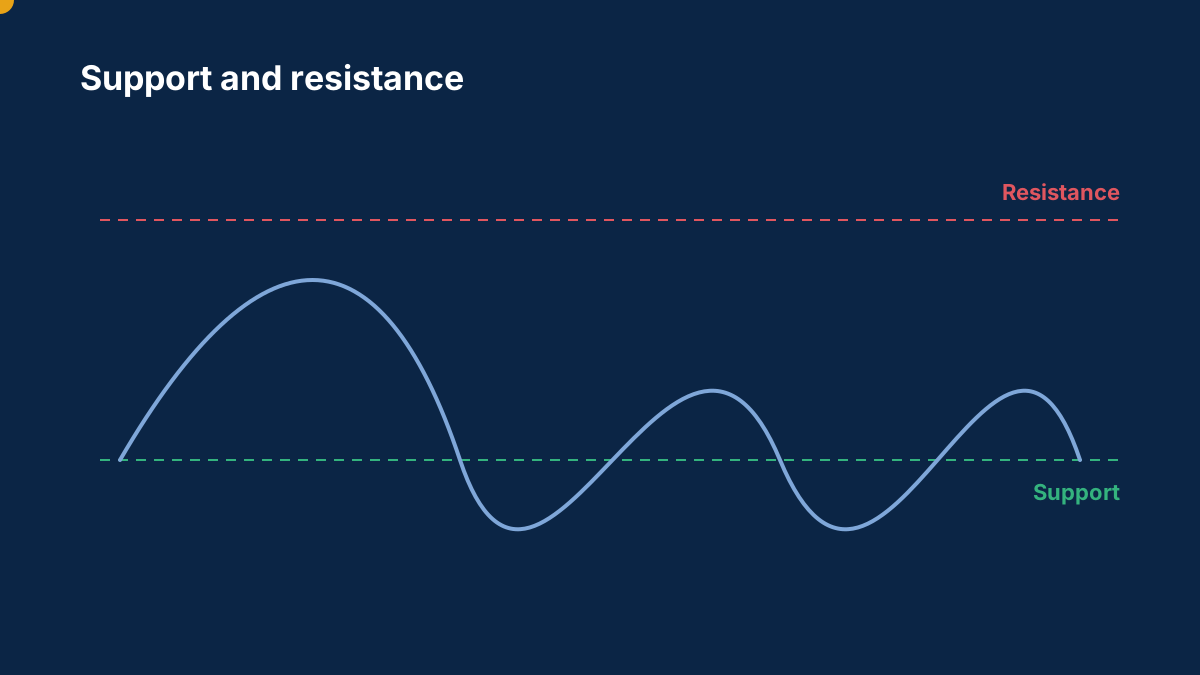
Members who trade inflation prints often split into two groups: those who trade the first move on the number, and those who wait for the reaction to settle. The first group takes the speed and the spread risk. The second gives up part of the move and avoids the first reversal. Both have a cost, and the choice depends on how fast you can act and how wide the spread gets at the time of release.
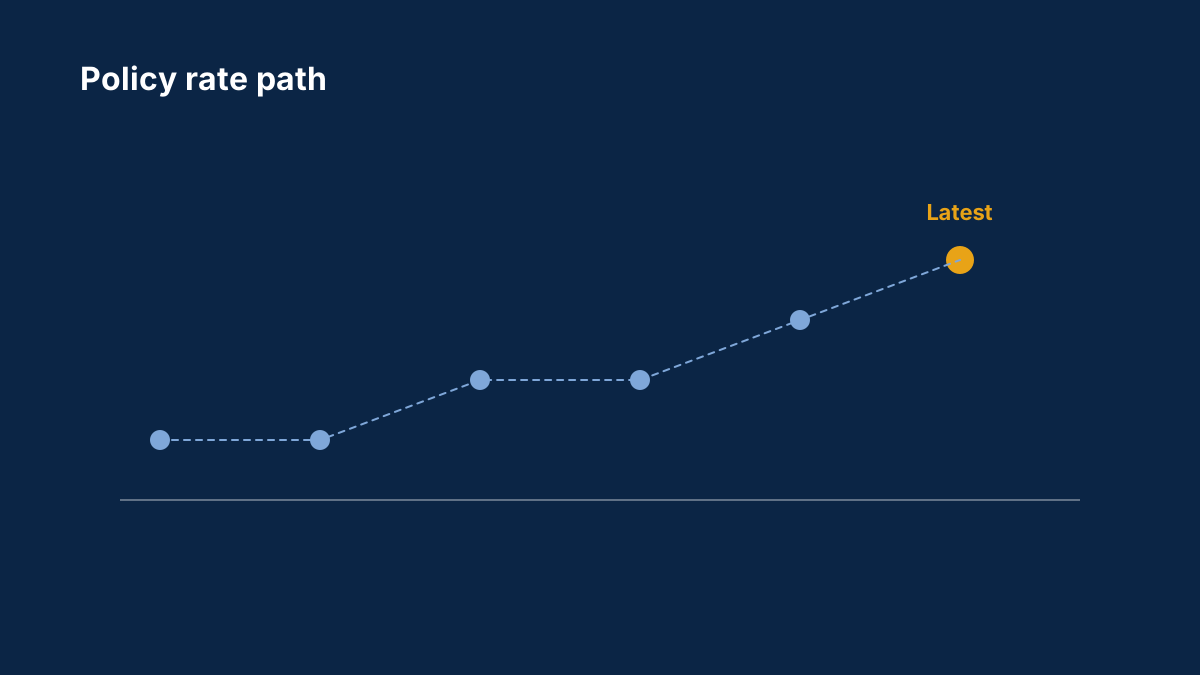
We would like to hear which you do:
- Do you trade the first move on an inflation number, or wait for the reaction to settle?
- How do you judge whether a print was a surprise against expectations?
- What would make you ignore a print that the market reacted to strongly?
- Which inflation release has surprised you most, and what did you do?
Please share your own approach and reasoning, not calls for others to copy. Posts that promise a direction or sell signals will be removed.
Background: How inflation moves currency pairs: the CPI transmission
Inflation is the input central banks watch most closely, which makes CPI the release that moves currencies most. Here is the transmission chain — from print to policy to price — and why the details beat the headline.
How does inflation affect currency prices?
Through central bank policy: higher inflation raises the odds of tighter policy, which attracts money and strengthens the currency. The chain runs from the print to the policy read to yields to the pair.
Why does the market react to the core CPI number?
Core CPI strips out food and energy, giving the cleanest read on underlying inflation. Central banks treat energy shocks as transitory, so the market's policy read focuses on the core measure.
Comments
Log in to join the discussion. Comments follow the community guidelines.
Log in to commentLoading comments…