How much money did you start trading with, and what would you start with now?
Almost every new trader asks how much they need to open a live account. The honest answer depends less on a broker's minimum deposit and more on how much you could lose without it affecting your life.
Things worth sharing in your reply:
- the amount you started with and your account currency
- how much you risked per trade at the start, in money and as a percentage
- whether you'd start with more, less or the same amount knowing what you know now
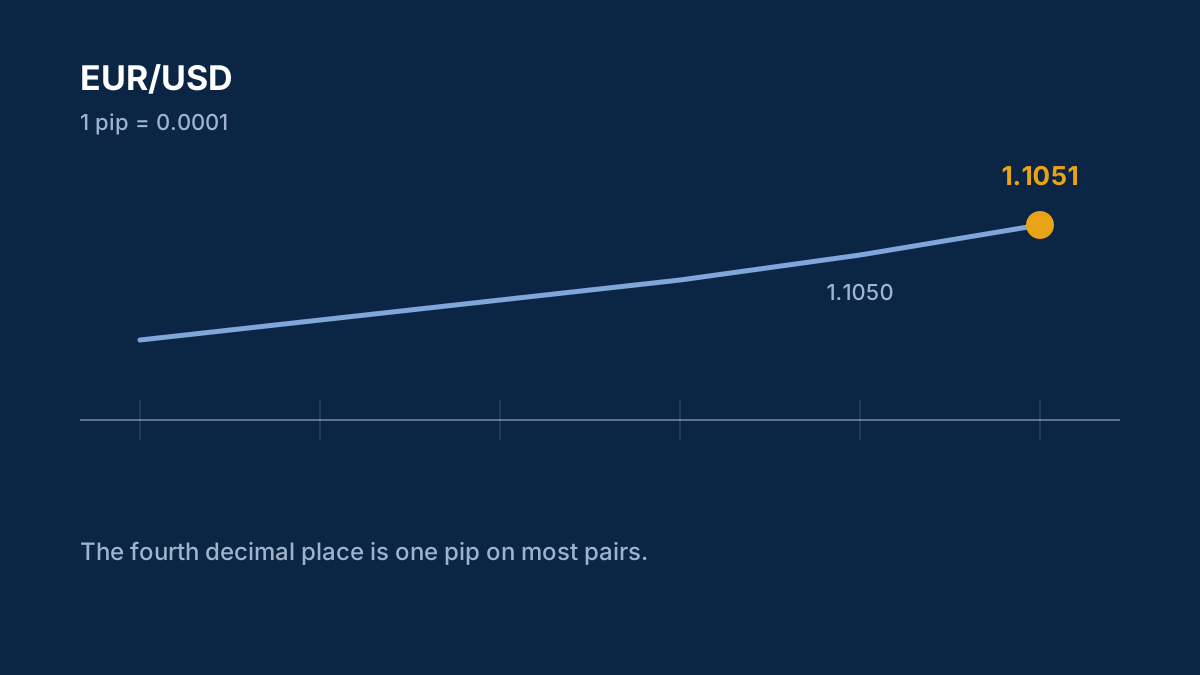
One point to keep in mind while reading the answers: with a small account, sensible risk per trade means very small positions. On a $500 account, 1% is $5, which on EUR/USD is a 50-pip stop at 0.01 lots. Check that your broker offers micro lots before funding anything; the lot sizes guide explains the arithmetic.
Please don't post amounts you "made in a week". This thread is about starting sensibly.
Background: Lot sizes explained: standard, mini and micro lots
A lot sets how many units of currency you buy or sell. Getting it wrong is the fastest way to turn a small price move into a large loss.
How many units is 0.01 lot?
0.01 lot is a micro lot: 1,000 units of the base currency.
How much margin do I need for one lot?
It depends on the leverage available and the price. At 30:1 leverage, one standard lot of EUR/USD at 1.15 (about $115,000) needs roughly $3,833 in margin.
Comments
Log in to join the discussion. Comments follow the community guidelines.
Log in to commentLoading comments…
A way to frame the question that helps newer readers make sense of the replies.
Instead of asking "how much do I need?", work backwards from risk:
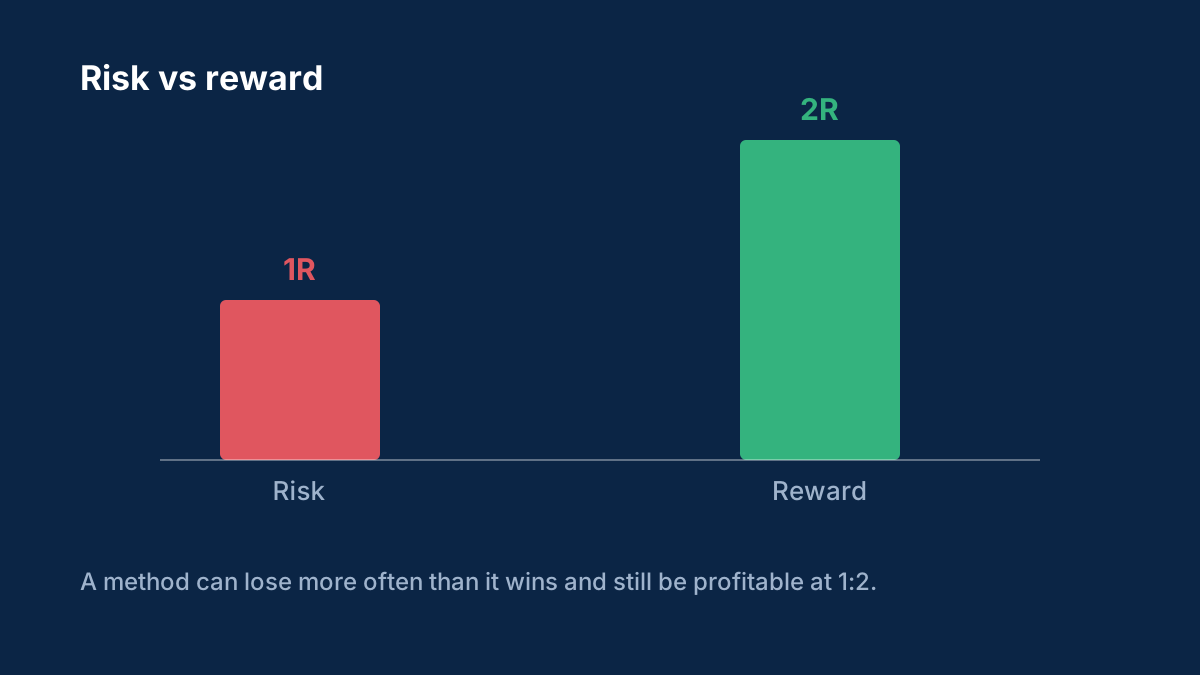
- Decide the risk per trade, commonly 1% to 2% of the account.
- Estimate a typical stop, for example 30 pips on EUR/USD.
- Find the smallest position your broker allows, often 0.01 lots, worth about $0.10 a pip on EUR/USD.
A 30-pip stop at 0.01 lots risks $3. For that to be 1% of the account, the account needs to be about $300. With a smaller account, the only way to take that trade is to risk more than 1%, which is where many small accounts go wrong.
The other half of the answer is the one in the original post: only money you could lose without it affecting your life. The lot sizes guide and position sizing guide cover the arithmetic in detail.
0