How do you handle high-impact releases like CPI and payrolls?
US consumer price data and the monthly jobs report can move every dollar pair within seconds. Traders deal with them in very different ways, and it is worth comparing approaches.
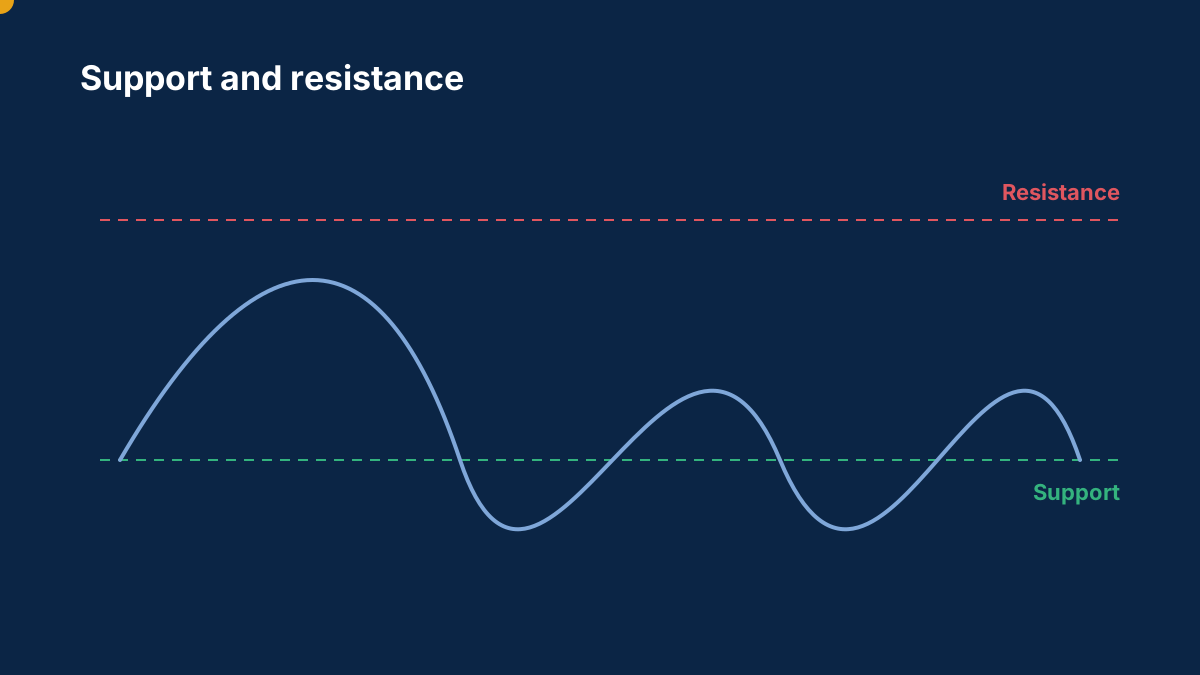
The usual options
- Stay flat. Close positions before the release and wait for the first few minutes to settle.
- Reduce size. Keep a position but size it for a much larger move than usual.
- Trade the reaction. Wait for the release, then trade only once direction is clearer.
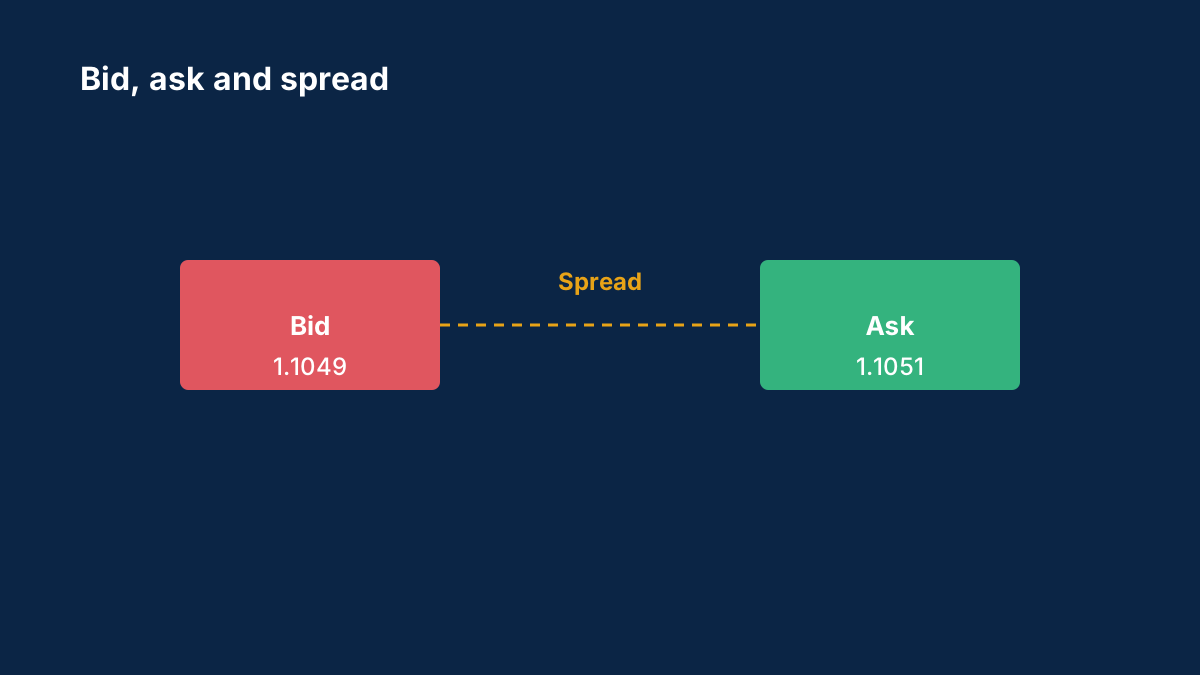
Things that catch people out
- Spreads can widen sharply in the seconds around a release, and stop orders can fill well away from their level.
- The first move doesn't always last. A strong number can reverse once traders read the details, such as revisions to earlier months.
- Two big releases can land at the same time, from different countries.
Which approach do you use, on which pairs, and what made you settle on it? Describe the process; please don't post trade calls for others to follow.
Background: Non-farm payrolls explained: why the US jobs report moves the dollar
The monthly Employment Situation report is one of the most traded events in currency markets. What it measures, when it comes out and why the first move often fades.
When is the non-farm payrolls report released?
Usually on the first Friday of the month at 8:30 a.m. New York time. The exact dates are on the Bureau of Labor Statistics release schedule.
What is a good NFP number?
There is no fixed level. Markets react to how the figure compares with economists' forecasts, and to revisions, wages and the unemployment rate in the same report.
Comments
Log in to join the discussion. Comments follow the community guidelines.
Log in to commentLoading comments…
A few practical checks that apply whichever of the three approaches you use.
- Know the exact time and the forecast. US CPI and the jobs report are both released at 8:30 a.m. New York time. The economic calendar shows them in your time zone, and how to read an economic calendar explains why the surprise against the forecast matters more than the number itself.
- Look past the headline. For payrolls, revisions to earlier months can outweigh the new figure. The August report added 162,000 jobs, but the two prior months were revised lower. For CPI, many traders watch core inflation more closely than the headline.
- Size for the release, not the normal day. If you hold through a release, work out the loss if price jumps past your stop, not just the loss at your stop.
Background: non-farm payrolls explained and CPI explained. Members, which pairs do you avoid entirely around these releases?
0