How do you size a gold position when the metal can gap?
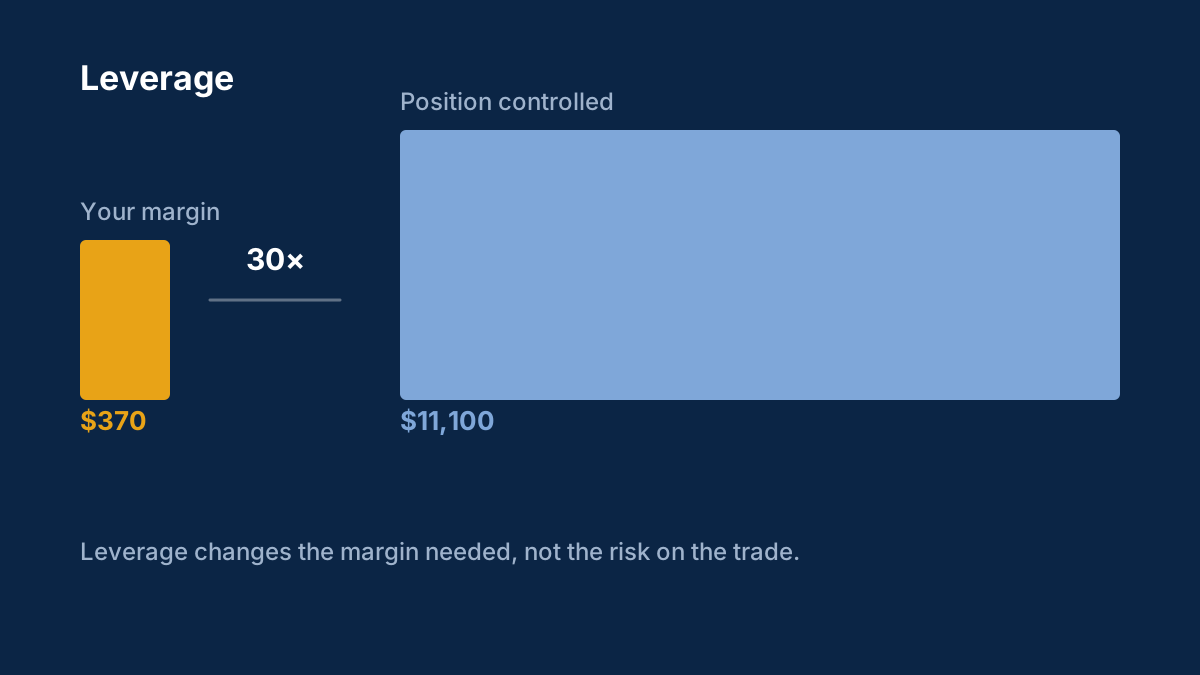
Gold can move several percent in a session, and a gap at the open can take a position past its planned stop before it can be closed. The size of the position therefore has to reflect the worst fill you can accept, not only the stop you set. Leverage and margin explained shows how margin and position size connect, which is the starting point for working out what a gap would cost.
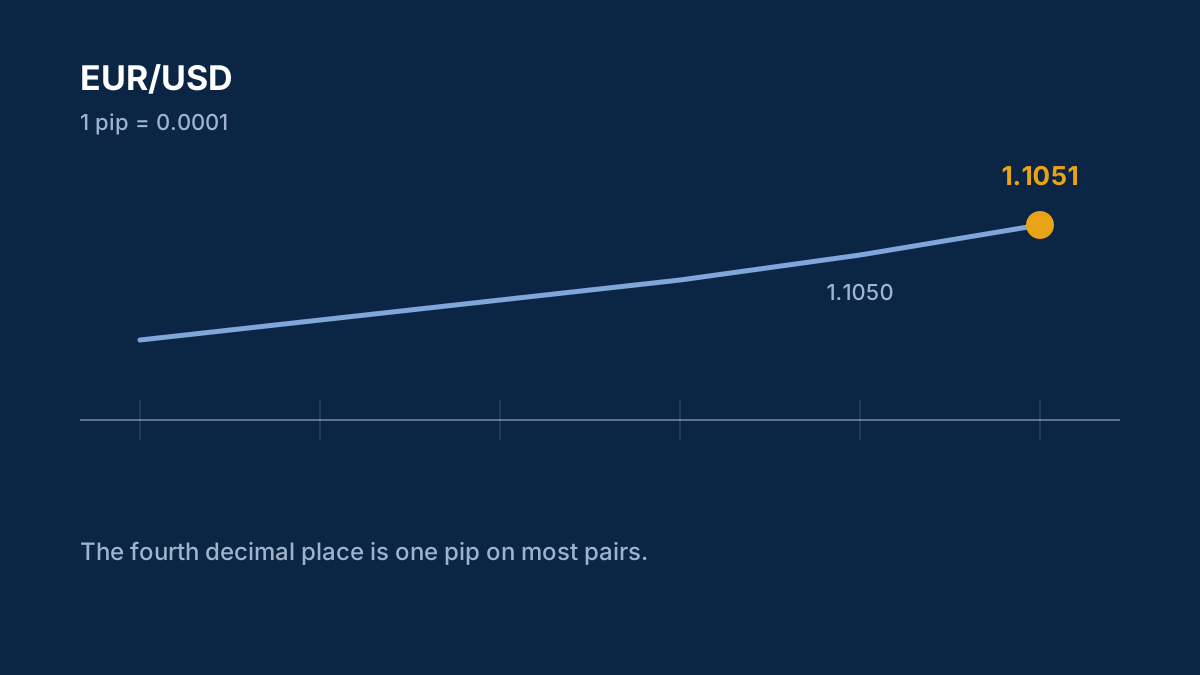
Members who trade gold often set size from the amount they can lose on a single move, and then check whether a gap would breach that limit. A stop that is ten pips away on a calm day can be far past that level after a release, and the account only feels the difference once the fill comes in. How to trade gold (XAU/USD) explains the instrument's behaviour in more detail.
We would like to hear how you handle it:
- Do you size gold from the stop, or from the worst fill you can accept?
- How do you account for a gap at the open, or over a weekend?
- Do you reduce size before a release that moves gold, and by how much?
- What would make you close a gold position before a known event?
Please share your own approach and reasoning, not calls for others to copy. Posts that promise a direction or sell signals will be removed.
Background: How to trade gold (XAU/USD): drivers, strategies and risk
Gold moves in dollars per ounce, not pips, and its daily range dwarfs most currency pairs. Here is what actually drives the metal, how position sizing differs from forex, and how to trade it without getting shaken out.
What is XAU/USD?
XAU/USD is the price of one troy ounce of gold in US dollars. XAU is the market's code for gold, and the pair is how most retail traders access the metal.
Why does gold rise when interest rates fall?
Gold pays no interest, so it competes with bonds. When real yields fall, bonds pay less after inflation, and gold becomes relatively more attractive, which lifts its price.
Comments
Log in to join the discussion. Comments follow the community guidelines.
Log in to commentLoading comments…