Do you trade gold in the Tokyo session, or wait for London?
Gold trades around the clock, but the volume and the spread change through the day as the major centres open and close. The session times are set by each centre's local business day, and market sessions explained shows how Sydney, Tokyo, London and New York overlap. The London open and the overlap with New York are where most members expect the most activity in gold.
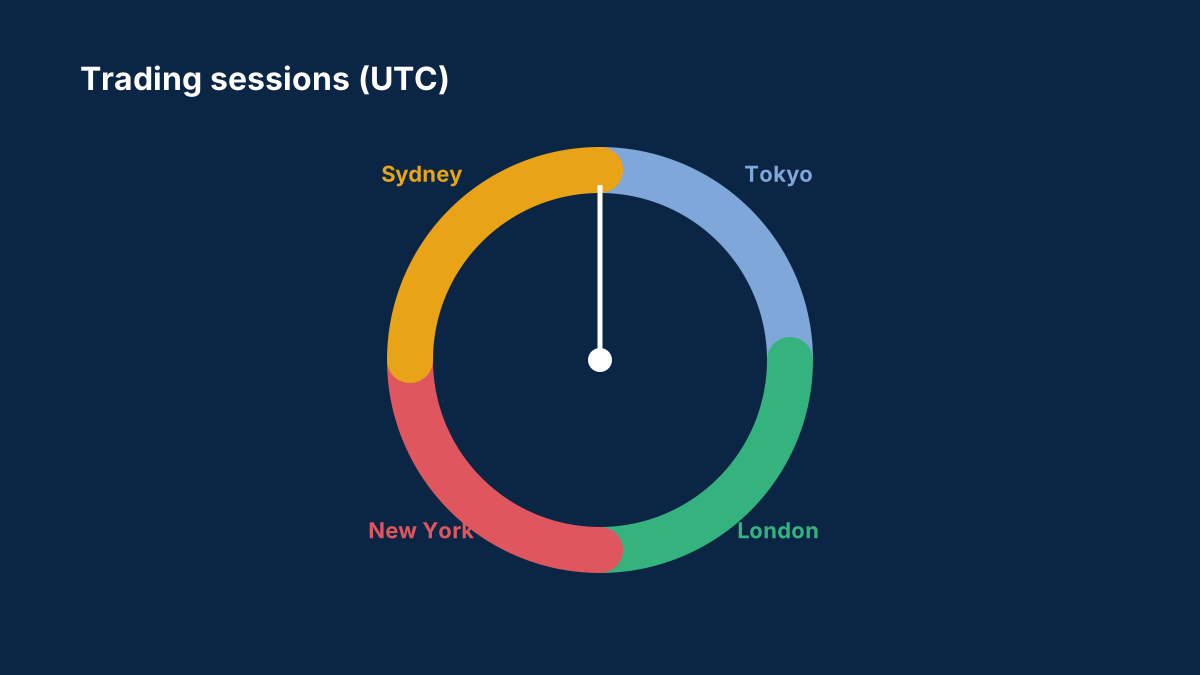
The question is whether trading gold in the Tokyo session gives you anything you cannot get later in the day. Some members use the quieter hours to set levels and plan, then act once London is open and the spread has tightened. Others find that Tokyo moves in gold are often thin, and that a small order can move the price more than it should. How to trade gold (XAU/USD) covers the instrument's basics, including why the session matters for the spread.
We would like to hear your timing:
- Do you trade gold in the Tokyo session, or only from the London open?
- Have you seen spreads on gold widen in quiet hours? How did your broker handle it?
- Which session gives you the clearest moves in gold, and why does it suit your plan?
- What would make you trade gold outside your usual hours?
Please share your own approach and reasoning, not calls for others to copy. Posts that promise a direction or sell signals will be removed.
Background: How to trade gold (XAU/USD): drivers, strategies and risk
Gold moves in dollars per ounce, not pips, and its daily range dwarfs most currency pairs. Here is what actually drives the metal, how position sizing differs from forex, and how to trade it without getting shaken out.
What is XAU/USD?
XAU/USD is the price of one troy ounce of gold in US dollars. XAU is the market's code for gold, and the pair is how most retail traders access the metal.
Why does gold rise when interest rates fall?
Gold pays no interest, so it competes with bonds. When real yields fall, bonds pay less after inflation, and gold becomes relatively more attractive, which lifts its price.
Comments
Log in to join the discussion. Comments follow the community guidelines.
Log in to commentLoading comments…