Gold after January's record: what are you watching now?
Gold set a record of $5,589 an ounce in January 2026 and was trading near $4,300 in early September. That's a deep retreat from the peak, though still far above where gold traded a few years ago.
Questions for gold traders:
- What are you watching most: real interest rates, the dollar, central bank buying or safe-haven demand?
- Has the energy shock and the conflict in the Middle East changed how gold reacts to news?
- How do you size gold positions, given how much wider its daily range is in dollar terms than most currency pairs?
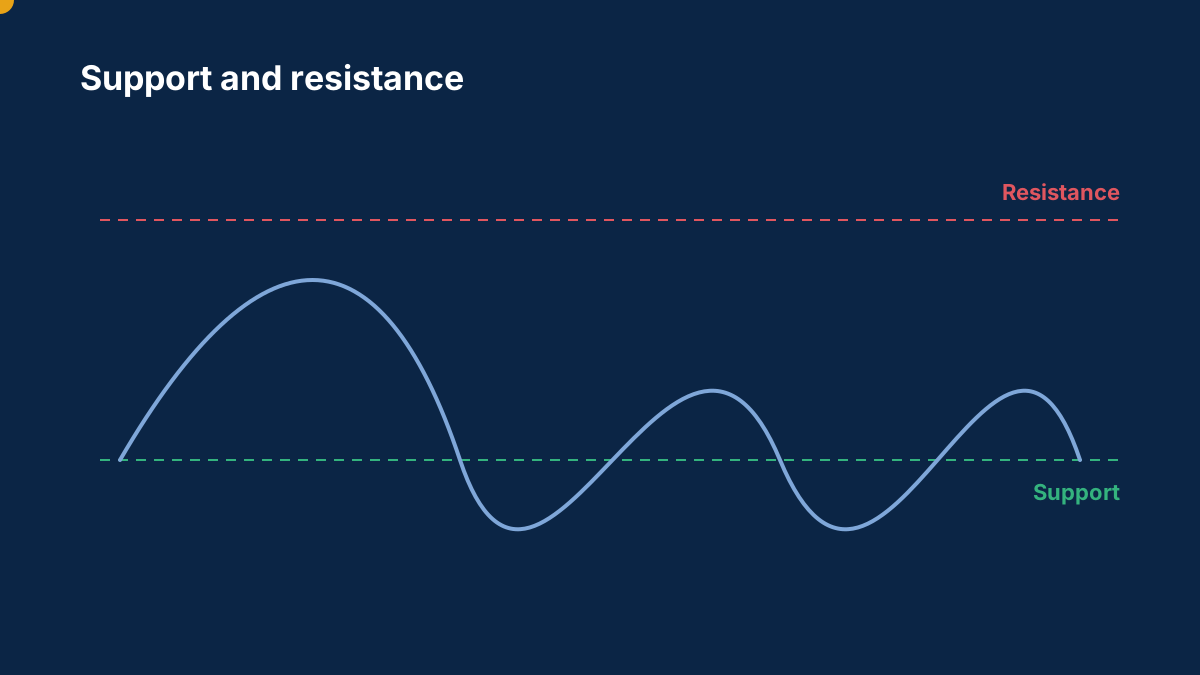
Share analysis, not price calls. The XAU/USD page has the live chart, and what moves the gold price covers the main drivers.
Background: What moves the gold price? Real rates, the dollar and safe-haven demand
Gold pays no interest and has no earnings, so its price responds to a different set of forces than currencies or shares. The main drivers behind XAU/USD.
Why does gold fall when interest rates rise?
Gold pays no interest. When real yields on cash and bonds rise, holding gold means giving up more income, so demand tends to fall.
Is gold a safe-haven asset?
It is widely used as one. Investors tend to buy gold during geopolitical or financial stress, although it can still fall sharply, especially when interest rates rise.
Comments
Log in to join the discussion. Comments follow the community guidelines.
Log in to commentLoading comments…
A summary of the main drivers people cite for gold, with how each has lined up recently. It's a framework for discussion, not a forecast.
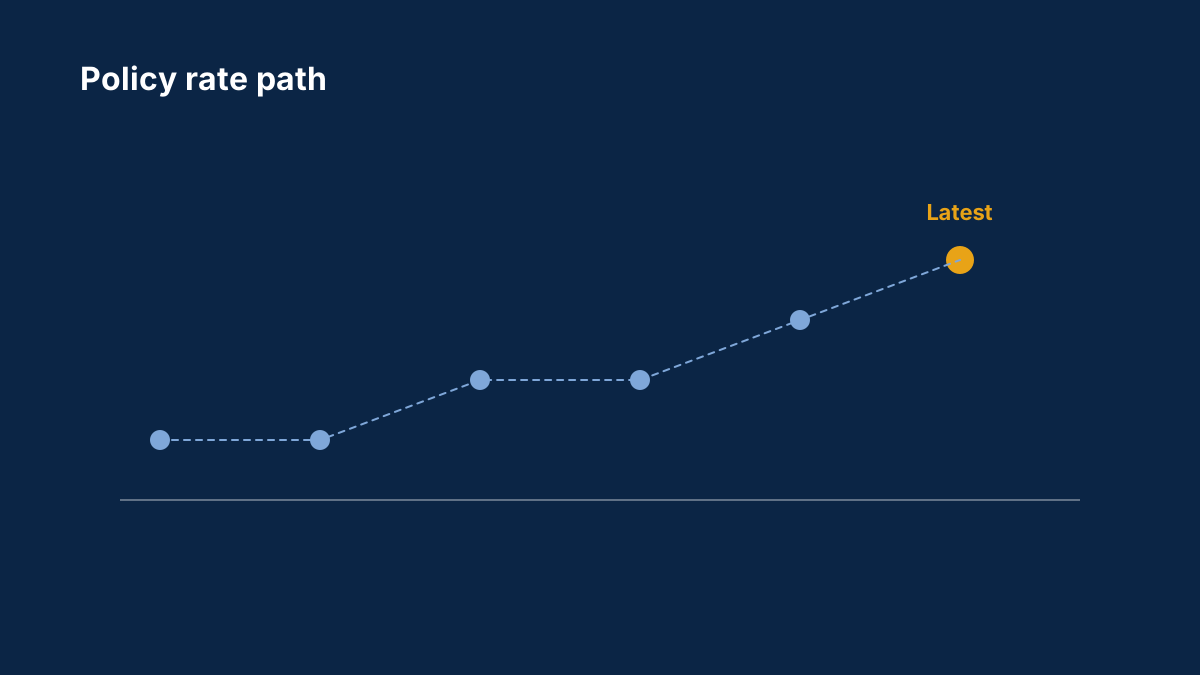
- Real interest rates: higher rates after inflation tend to weigh on gold, which pays no interest. The Fed's increase to 3.75%–4.00% on 16 September (report) raised the cost of holding it.
- The US dollar: gold is priced in dollars, so a stronger dollar has often coincided with weaker gold.
- Safe-haven demand: conflict and market stress can support gold even when rates rise.
- Central bank buying: a steady source of demand in recent years.
Gold's retreat from the January record of $5,589 to around $4,300 in early September (report) shows how quickly sentiment can shift. For position sizing, remember that a 1% move near $4,300 is about $43 an ounce, far more in money terms than 1% on most currency pairs.
Background: what moves the gold price.
0