What moves the gold price? Real rates, the dollar and safe-haven demand
Gold pays no interest and has no earnings, so its price responds to a different set of forces than currencies or shares. The main drivers behind XAU/USD.
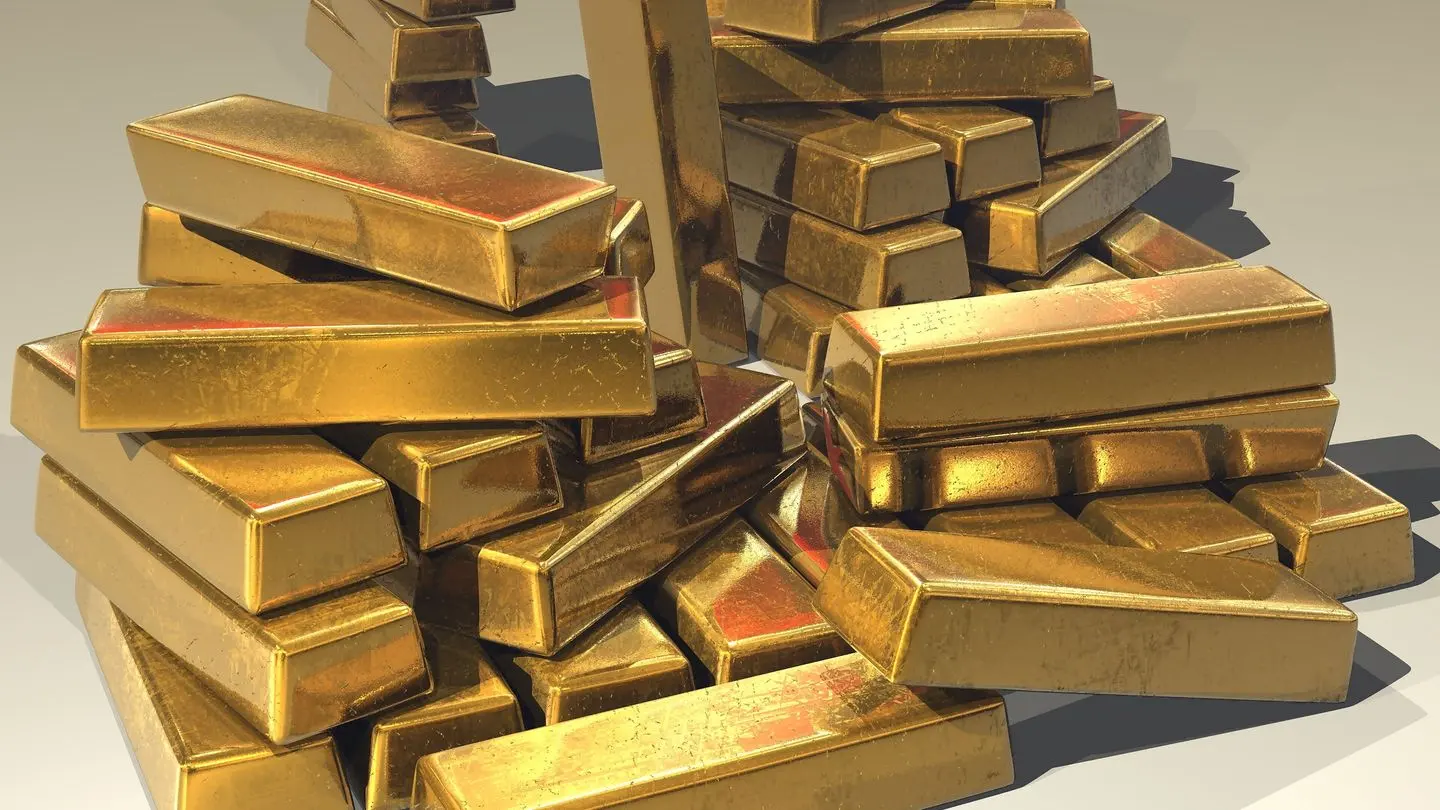
Gold is traded like a currency pair, XAU/USD, but it behaves differently from any national currency. It pays no interest, no central bank controls its supply, and much of the demand comes from people who want to protect wealth rather than earn a return.
1. Real interest rates
The most consistent driver is the real interest rate: the yield on safe assets after inflation. Because gold pays nothing, holding it means giving up the interest you could earn elsewhere.
- When real yields rise, that cost rises and gold tends to fall.
- When real yields fall, especially below zero, gold tends to rise.
That is why gold often reacts strongly to Federal Reserve decisions and US inflation data.
2. The US dollar
Gold is priced in dollars. A stronger dollar makes gold more expensive for buyers paying in euros, yen or rupees, which can weigh on demand; a weaker dollar has the opposite effect. The relationship is common but not fixed: in a crisis, gold and the dollar can rise together as investors look for safety.
3. Safe-haven demand
In periods of war, financial stress or fear about currencies, investors buy gold as insurance. Geopolitical tension, including conflict in the Middle East, was among the factors cited as gold climbed to its record of $5,589.38 an ounce on 28 January 2026.
4. Central bank buying
Central banks hold gold as part of their reserves. According to the World Gold Council, central bank purchases exceeded 1,000 tonnes a year in 2022, 2023 and 2024, well above the previous decade's pace, as several countries diversified away from dollar assets.
5. Investment flows and physical demand
Exchange-traded funds backed by physical gold can add or shed large amounts as investor sentiment changes. Jewellery demand, concentrated in India and China, and industrial use add steadier, price-sensitive demand.
How gold trades
XAU/USD trades almost around the clock during the week. Two benchmarks set in London each business day, the LBMA Gold Price auctions, are widely used for pricing contracts. Liquidity is deepest when London and New York are both open, and US data releases often cause sharp moves.
Contract sizes and margin requirements for gold vary between brokers, so check the specification before trading. Current news on gold is in gold holds near $4,300.
Sources
Common questions
Why does gold fall when interest rates rise?
Gold pays no interest. When real yields on cash and bonds rise, holding gold means giving up more income, so demand tends to fall.
Is gold a safe-haven asset?
It is widely used as one. Investors tend to buy gold during geopolitical or financial stress, although it can still fall sharply, especially when interest rates rise.
Why is gold quoted as XAU/USD?
XAU is the international code for one troy ounce of gold. XAU/USD is the price of an ounce in US dollars.
This article is for information only and is not financial advice. Trading forex and CFDs carries a high risk of losing money. Read the risk warning. Spotted an error? Tell the editors.
Comments
Log in to join the discussion. Comments follow the community guidelines.
Log in to commentLoading comments…