Gold holds near $4,300, well below January's record of $5,589
The metal trades more than 20% below its all-time high as higher interest rates in several economies compete with demand for safe assets.
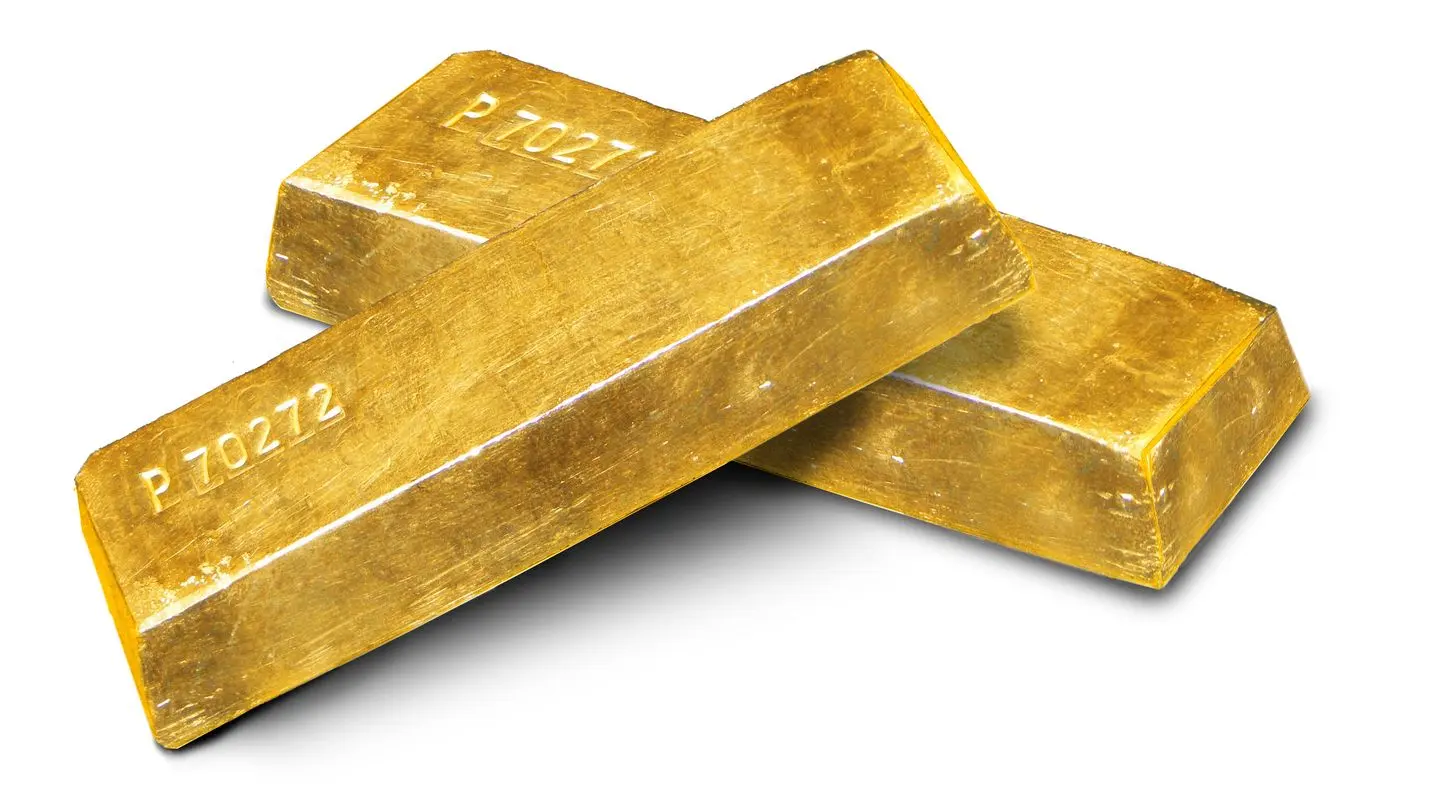
Gold was trading around $4,300 an ounce on 14 September 2026, according to TradingView prices for XAU/USD. That leaves it more than 20% below the all-time high of $5,589.38 it reached on 28 January 2026.
How gold got to a record
Gold's climb to January's peak followed a very strong 2025. Coverage of the record pointed to several forces at once: persistent concern about inflation, shifting expectations for Federal Reserve policy, geopolitical tension and worries about currency stability, and continued buying by central banks alongside growing retail and institutional interest.
What is pulling in each direction now
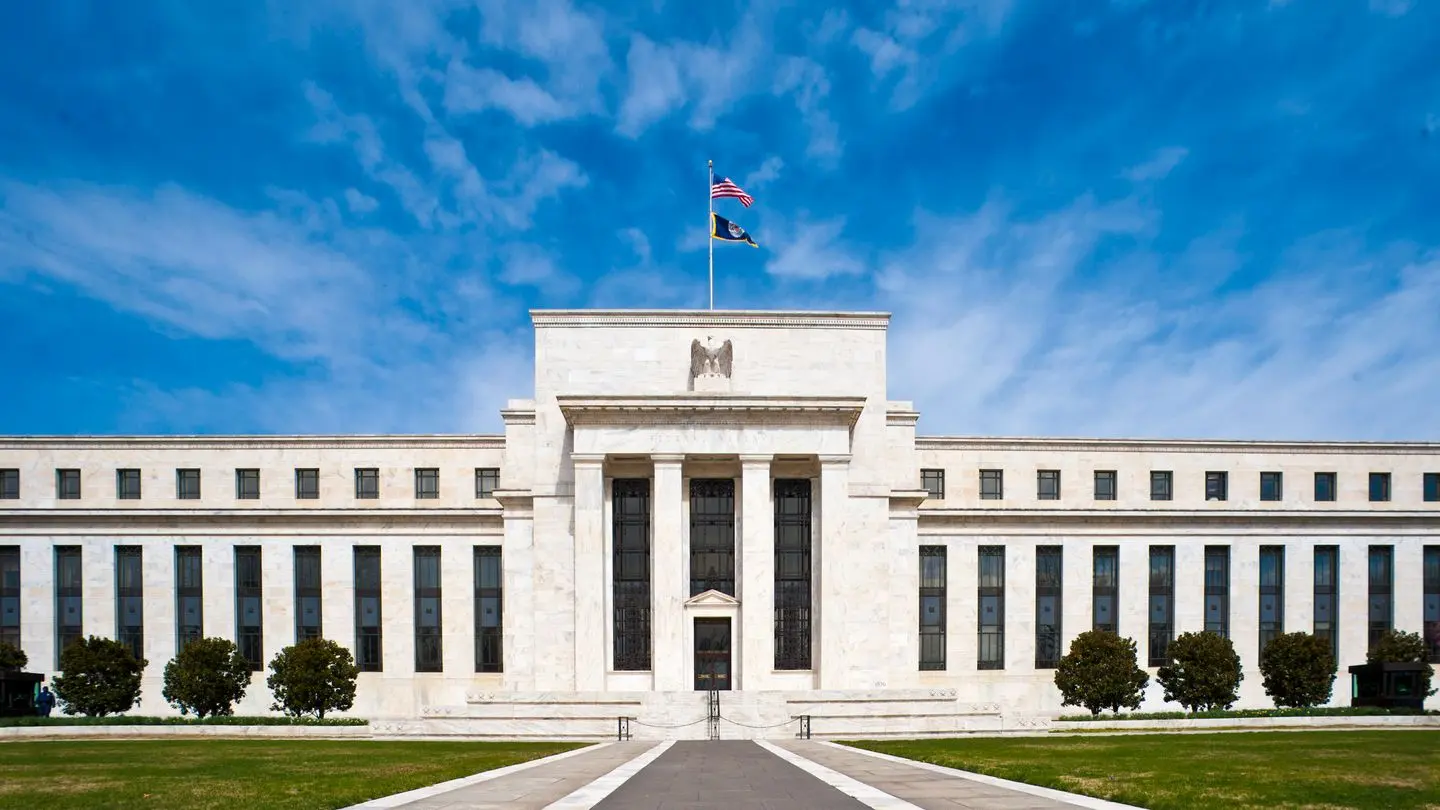
Interest rates. Gold pays no interest, so higher yields on cash and bonds raise the cost of holding it. In September the European Central Bank raised its deposit rate to 2.50%, the Reserve Bank of New Zealand raised its cash rate, and US consumer inflation reached 3.4% ahead of the Federal Reserve's decision on 16 September.
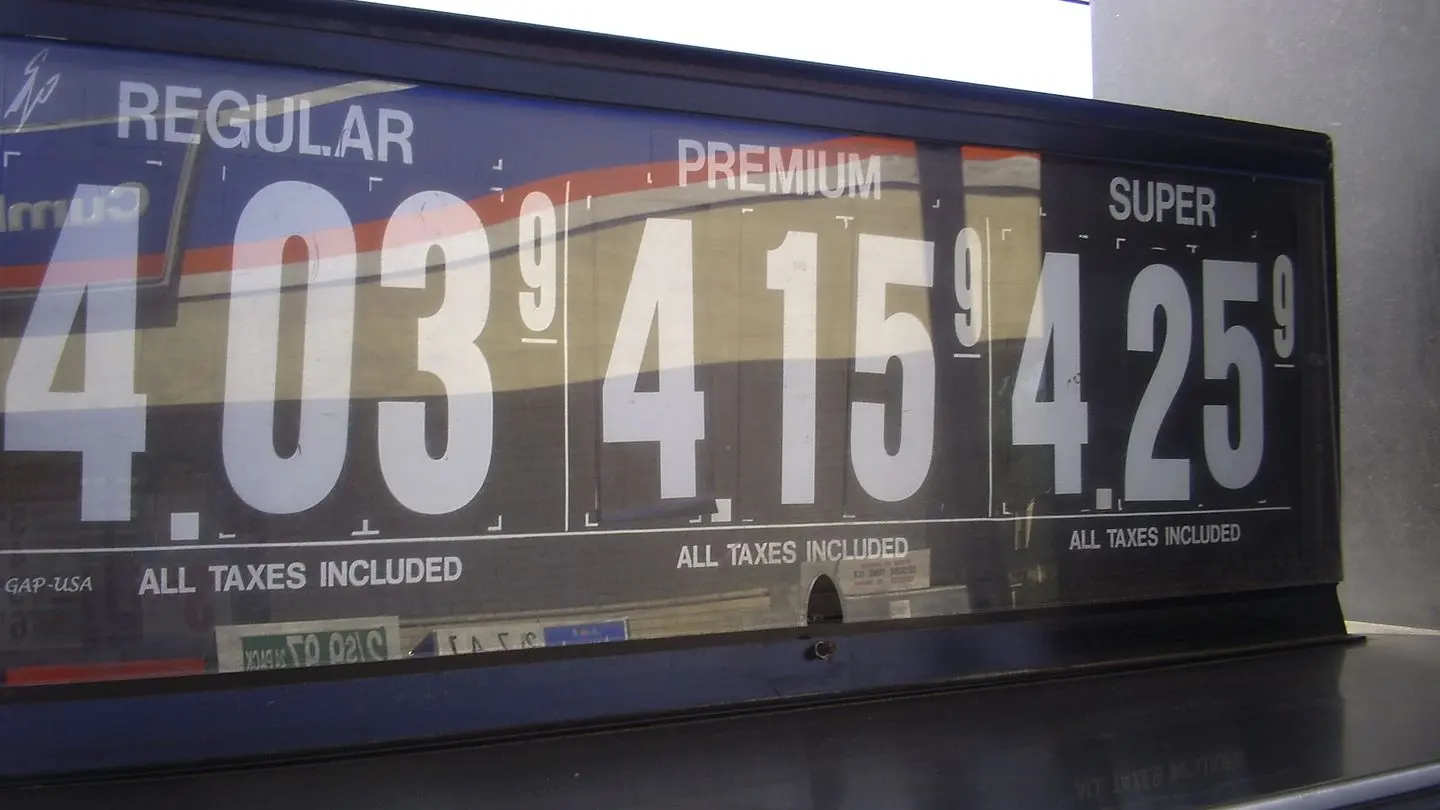
Safe-haven demand. The conflict in the Middle East, including the disruption to shipping through the Strait of Hormuz that has lifted Brent crude above $100, is the kind of event that tends to draw money into gold.
The dollar. Gold is priced in dollars, so a stronger dollar makes it more expensive for buyers using other currencies, and a weaker dollar does the opposite.
What to watch
The Fed's decision and projections on 16 September are the next major test, because they shape US real interest rates, the variable gold is usually most sensitive to. The live chart is on the XAU/USD page, and the drivers are explained in more depth in what moves the gold price.
Sources
Common questions
What is the highest gold price ever?
Gold's all-time high is $5,589.38 an ounce, reached on 28 January 2026.
Why do interest rates affect gold?
Gold pays no interest. When yields on cash and bonds rise, especially after inflation, holding gold costs more in forgone income, which tends to weigh on its price. Falling real yields tend to have the opposite effect.
This article is for information only and is not financial advice. Trading forex and CFDs carries a high risk of losing money. Read the risk warning. Spotted an error? Tell the editors.
Comments
Log in to join the discussion. Comments follow the community guidelines.
Log in to commentLoading comments…