Do you use Fibonacci retracements, and how do you pick the swing?
Fibonacci levels are on every charting platform, and traders are split between those who use them daily and those who think they only work in hindsight.
If you use them:
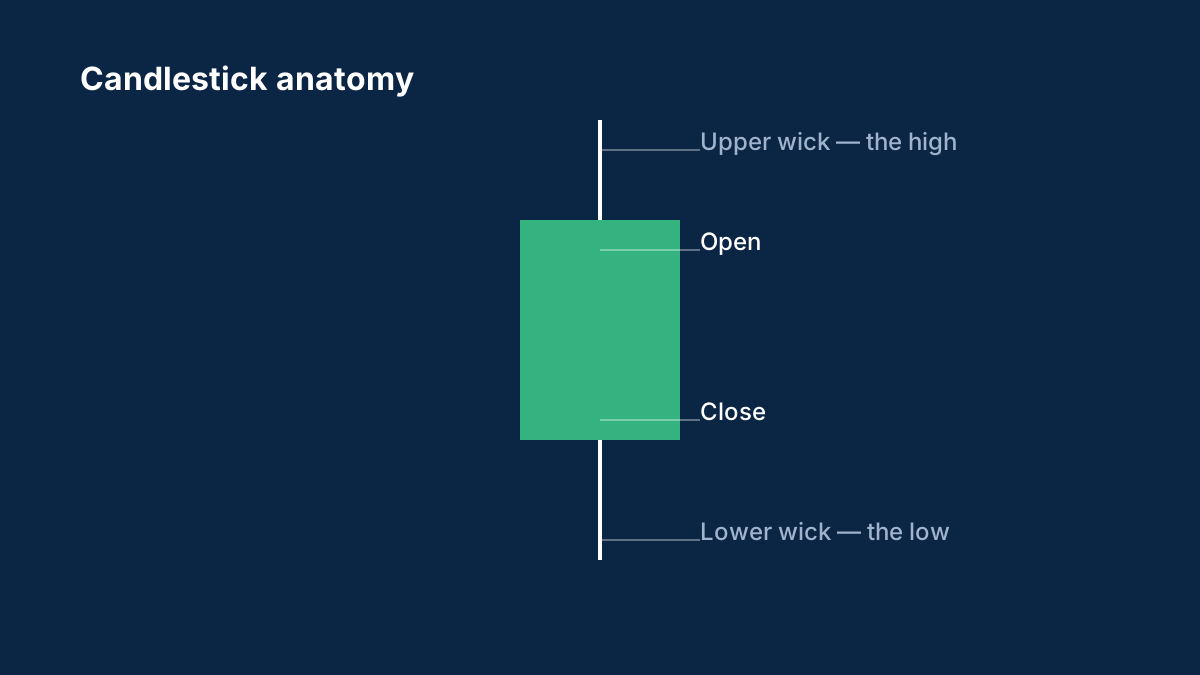
- How do you choose the swing high and low? Wicks or closes?
- Which levels do you keep on the chart, and which do you remove?
- What else has to line up before a level becomes a trade?
If you tried them and stopped, tell us why. A clear account of what didn't work is as useful as a success story.
Our guide to Fibonacci retracements covers the basics. As always, describe your method rather than posting signals.
Comments
Log in to join the discussion. Comments follow the community guidelines.
Log in to commentLoading comments…
A few points that tend to make Fibonacci levels more useful in practice, for members still deciding.
- Use clear swings. The swing high and low should be obvious on the time frame you trade. If you have to search for them, the levels won't mean much.
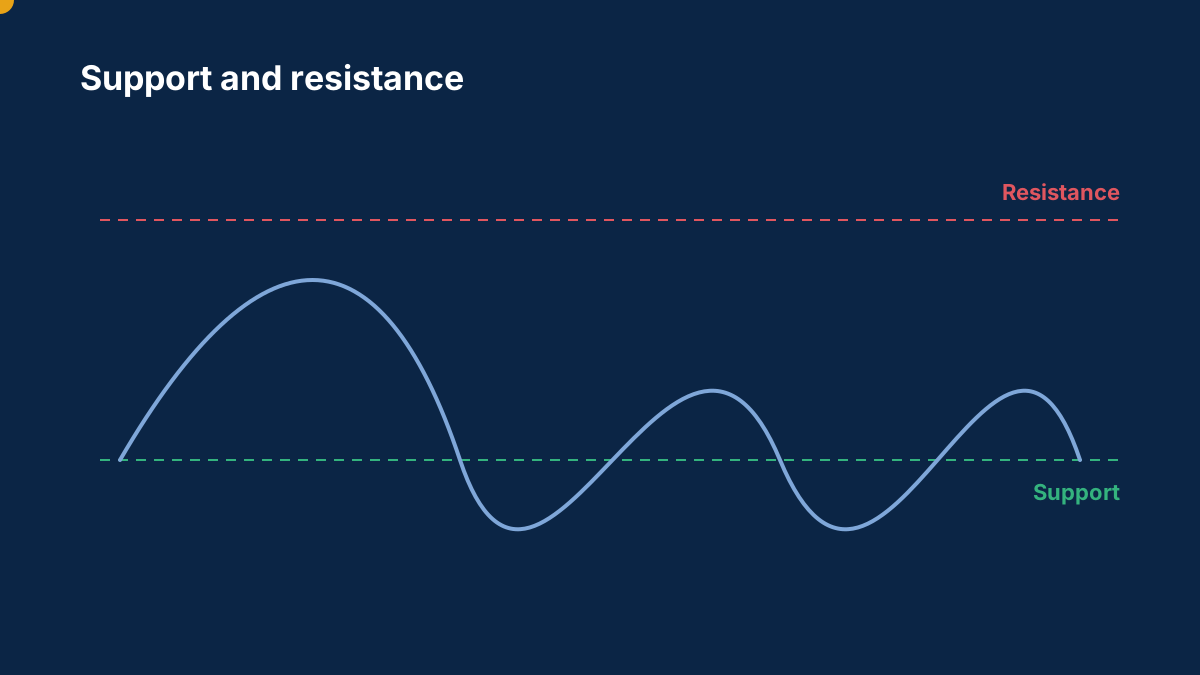
- Look for confluence. A 50% or 61.8% retracement that lines up with a previous support or resistance level, or a trend line, carries more weight than a Fibonacci level on its own.
- Decide wicks or closes once, and stick with it, so you're not adjusting the tool until it fits the chart.
- Treat levels as zones. Price rarely turns at the exact decimal, so an entry trigger inside the zone helps.
The honest test is the one in the original post: mark levels before price reaches them, record the outcome, and compare with random levels at similar distances. Fibonacci retracements explained covers the basics, and support and resistance the levels they work best with.
0