Does consumer spending change what you watch in equity indices?
The September figures show personal spending up $113.1 billion, or 0.5%, and personal income up $54.5 billion, or 0.2%, according to the Bureau of Economic Analysis on 29 October 2026 (BEA: Personal Income and Outlays, September 2026). Consumer spending is a part of the economy that equity markets watch closely, because it feeds directly into company revenue, particularly in consumer-facing sectors.
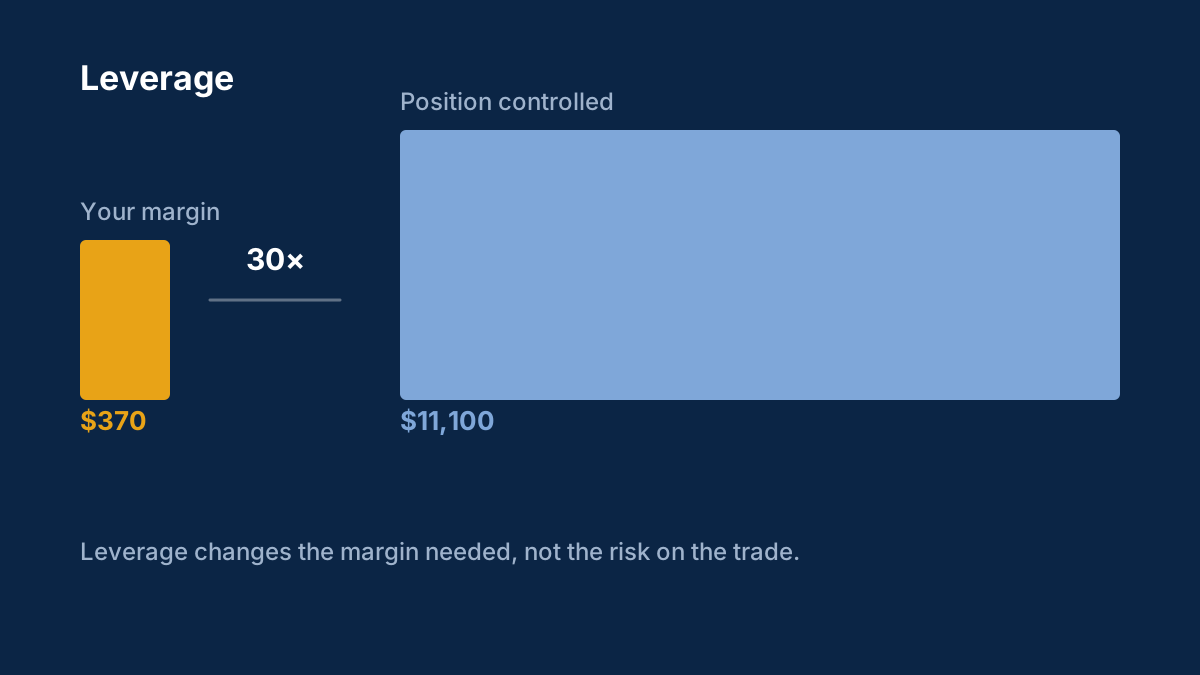
Members who trade equity indices read consumer data differently from currency traders. A strong spending figure can support an index in one sector and not another, and the reaction depends on what the market expected. US spending rose 0.5% in September sets out the figures, and leverage and margin explained covers how a leveraged index position is sized, which matters when a consumer release moves several sectors at once.
We would like to hear how you use it:
- Do you look at consumer data before you trade an index, or only after the open?
- Which sectors do you watch when spending beats income?
- How do you separate a consumer story from a rates story in an index move?
- Does a currency view ever change your view on equities? In which direction?
Please share your own approach and reasoning, not calls for others to copy. Posts that promise a direction or sell signals will be removed.
Background: Leverage and margin explained: margin calls, stop-outs and how losses grow
Leverage lets you control a large position with a small deposit. It magnifies losses exactly as much as gains, and it is behind most blown trading accounts.
What does 30:1 leverage mean?
You can control a position 30 times larger than your margin deposit. $1,000 of margin opens a $30,000 position, and gains and losses are calculated on the full $30,000.
What is a margin call?
A warning from your broker that losses have reduced your margin level to a set threshold. If it keeps falling, the broker starts closing positions automatically, which is called a stop-out.
Comments
Log in to join the discussion. Comments follow the community guidelines.
Log in to commentLoading comments…