Australia's CPI at 4.3%: do you watch the headline or the trimmed mean?
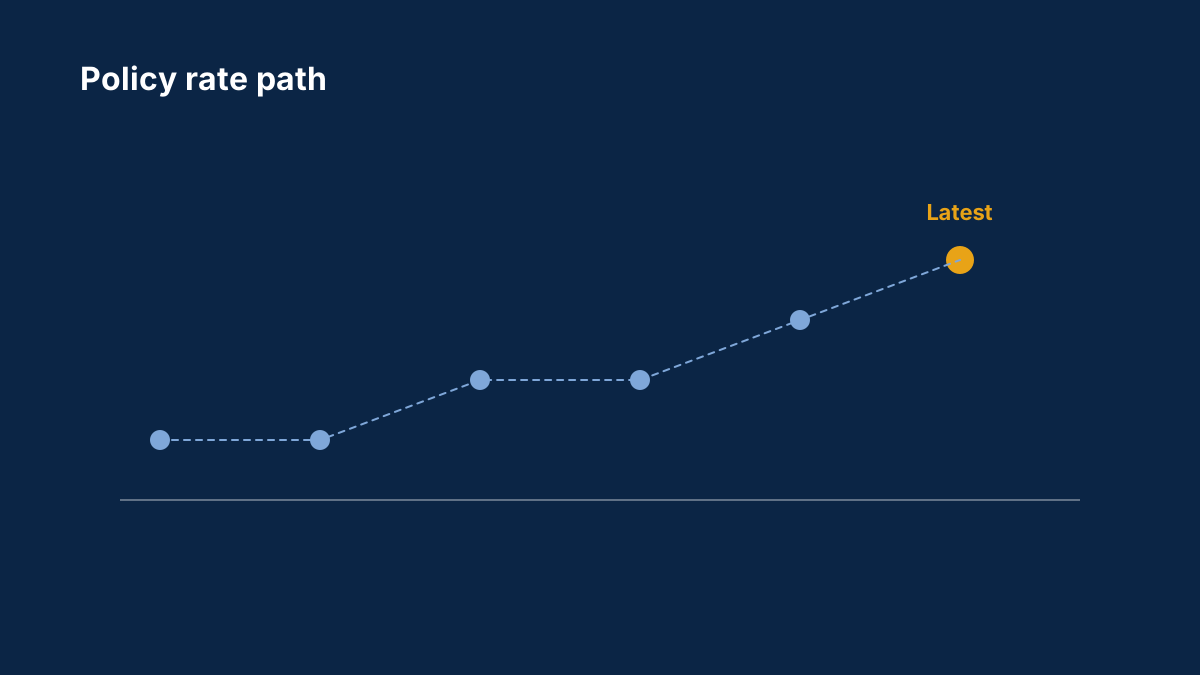
Australia's consumer price index rose 4.3% in the year to September 2026 (news). The Reserve Bank looks at underlying measures such as the trimmed mean as well as the headline rate, because the headline can jump with petrol and other volatile prices. The RBA's next decision is due on 3 November (preview). For how inflation reaches currency pairs, see how inflation moves currencies.
Questions for members:
- Do you trade the headline rate or the underlying measure? Why?
- How do you handle a release where energy prices and core inflation move in different directions?
- Which Australian number matters most to the Australian dollar for your own trading?
Background: How inflation moves currency pairs: the CPI transmission
Inflation is the input central banks watch most closely, which makes CPI the release that moves currencies most. Here is the transmission chain — from print to policy to price — and why the details beat the headline.
How does inflation affect currency prices?
Through central bank policy: higher inflation raises the odds of tighter policy, which attracts money and strengthens the currency. The chain runs from the print to the policy read to yields to the pair.
Why does the market react to the core CPI number?
Core CPI strips out food and energy, giving the cleanest read on underlying inflation. Central banks treat energy shocks as transitory, so the market's policy read focuses on the core measure.
Comments
Log in to join the discussion. Comments follow the community guidelines.
Log in to commentLoading comments…