Canada's 3% inflation: the Bank of Canada's energy problem
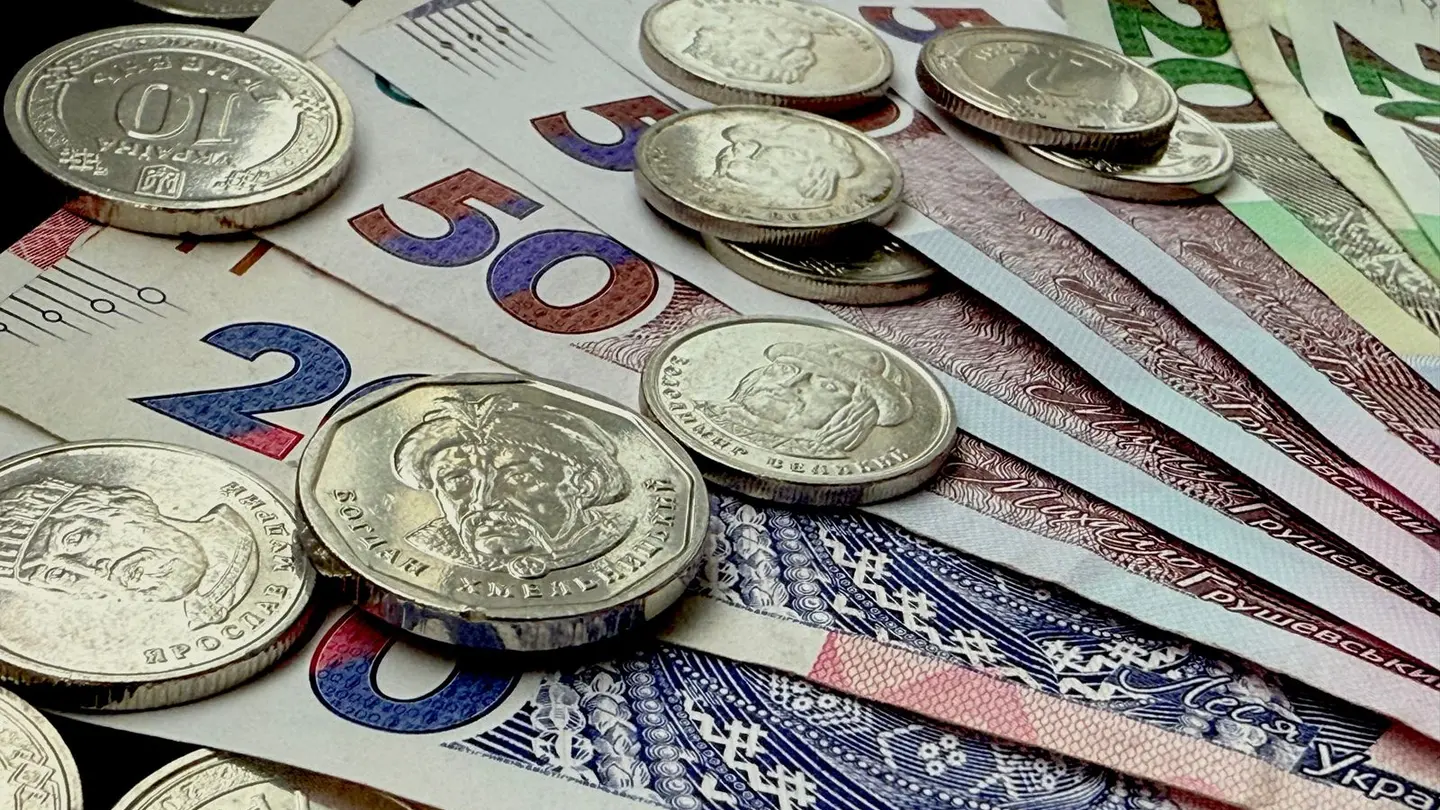
Canada's inflation holds at 3.0% — but prices excluding gasoline rose just 2.4%. The gap is the energy problem the BoC named in its deliberations. Here is what it means for the loonie.
News
Central bank decisions, economic data, gold and oil, and plain-English guides to how currency trading works. Every article links to its primary sources.
Canada's inflation holds at 3.0% — but prices excluding gasoline rose just 2.4%. The gap is the energy problem the BoC named in its deliberations. Here is what it means for the loonie.
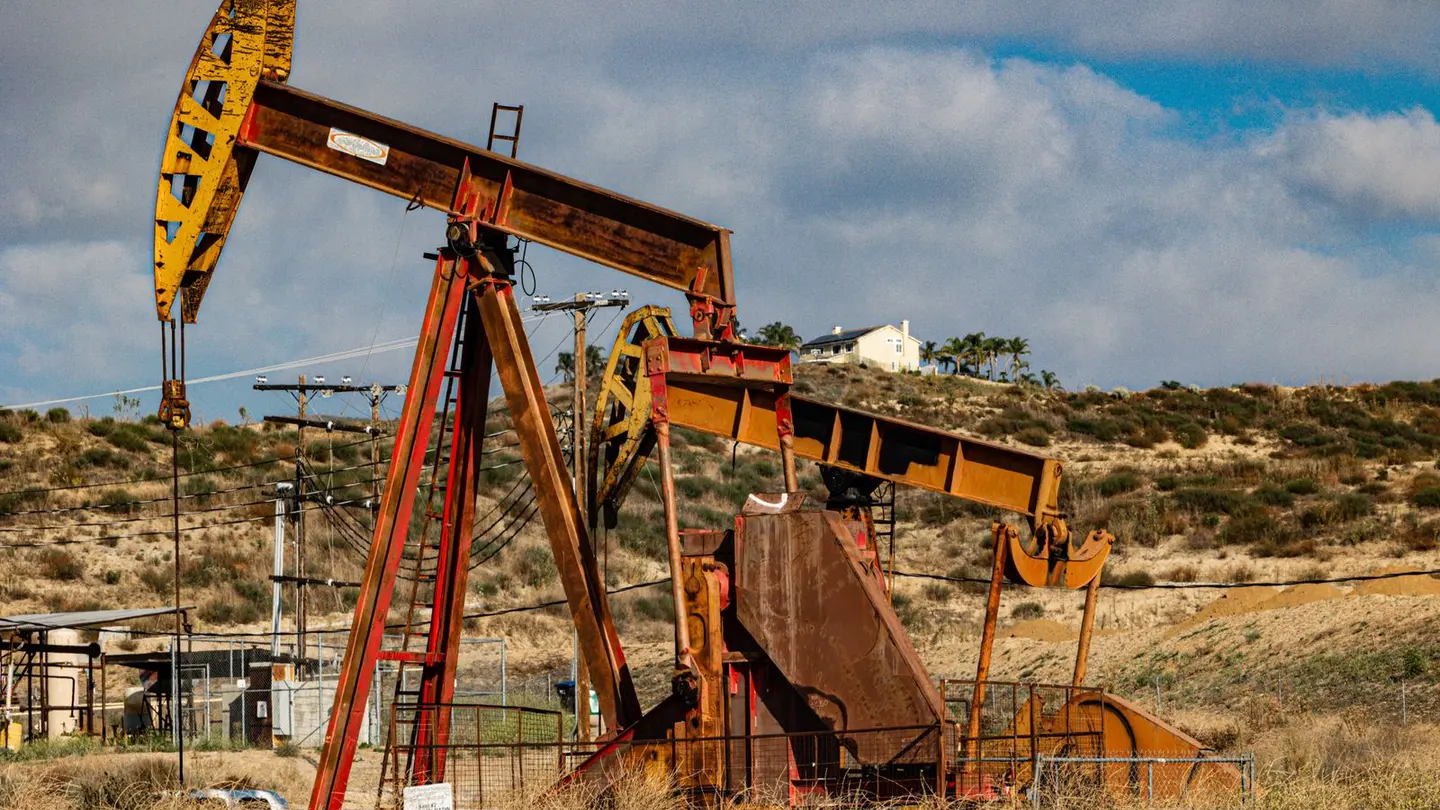
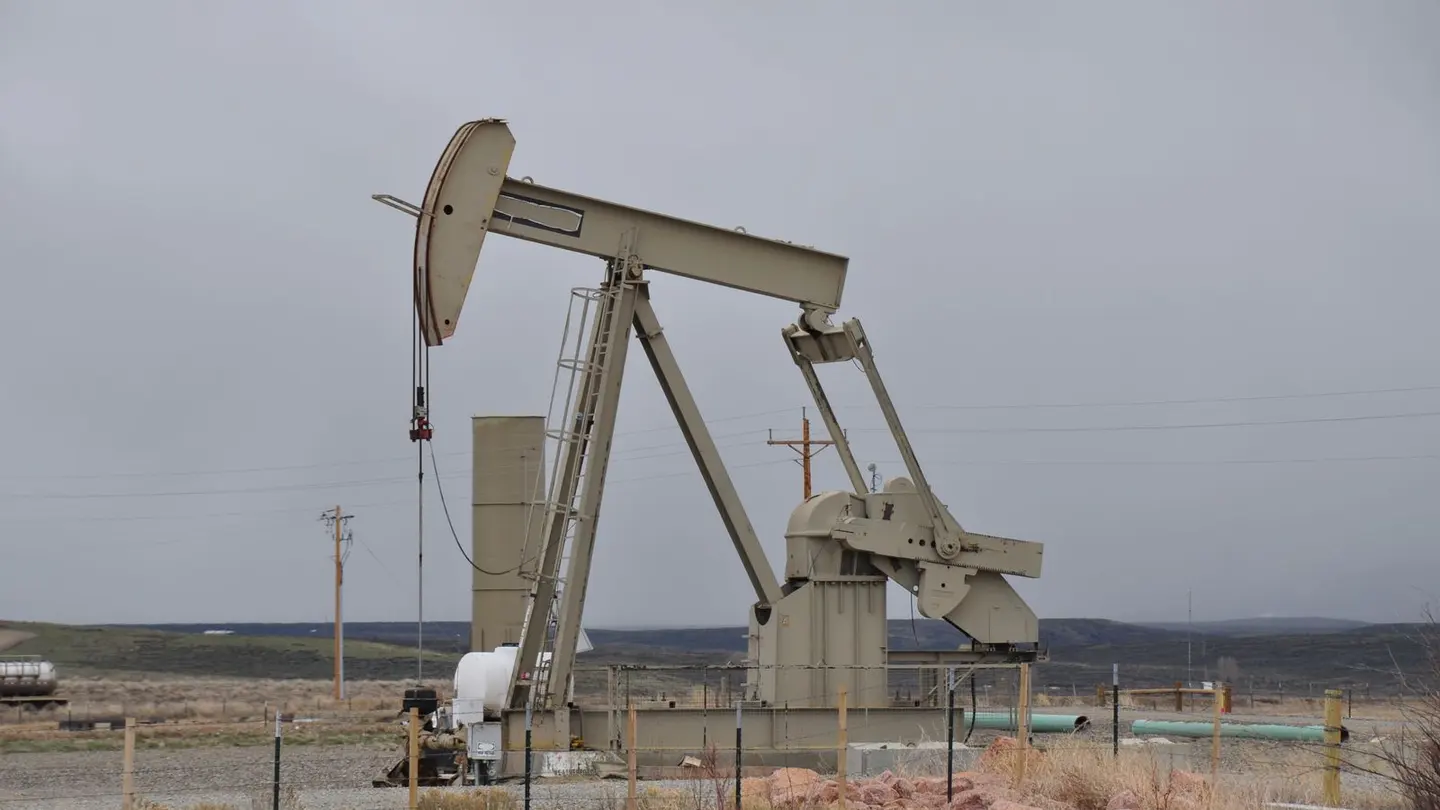
Brent has traded above $100 a barrel since early September as Hormuz shipping dwindles. Here is what triple-digit oil does to the commodity currencies, the importers and the inflation picture.
Fuel prices are pushing inflation up across the UK, the US and Canada — and the central banks are answering differently. Here is the shock's anatomy, its fingerprints in the data, and what it means for currencies.
Oil prices feed inflation, inflation feeds central banks, and central banks feed currencies — the chain runs from Brent to every pair on the board. Here is the full transmission, with the current cycle as the case study.
USD/CAD has two masters: the oil price and the interest-rate gap between the Fed and the Bank of Canada. Here is how each channel works, which one leads, and how to read the tug-of-war.
USD/CAD answers to two masters: the oil price and the interest-rate gap between the Fed and the Bank of Canada. Here is how the pair works, when each master dominates, and how to build a plan around it.
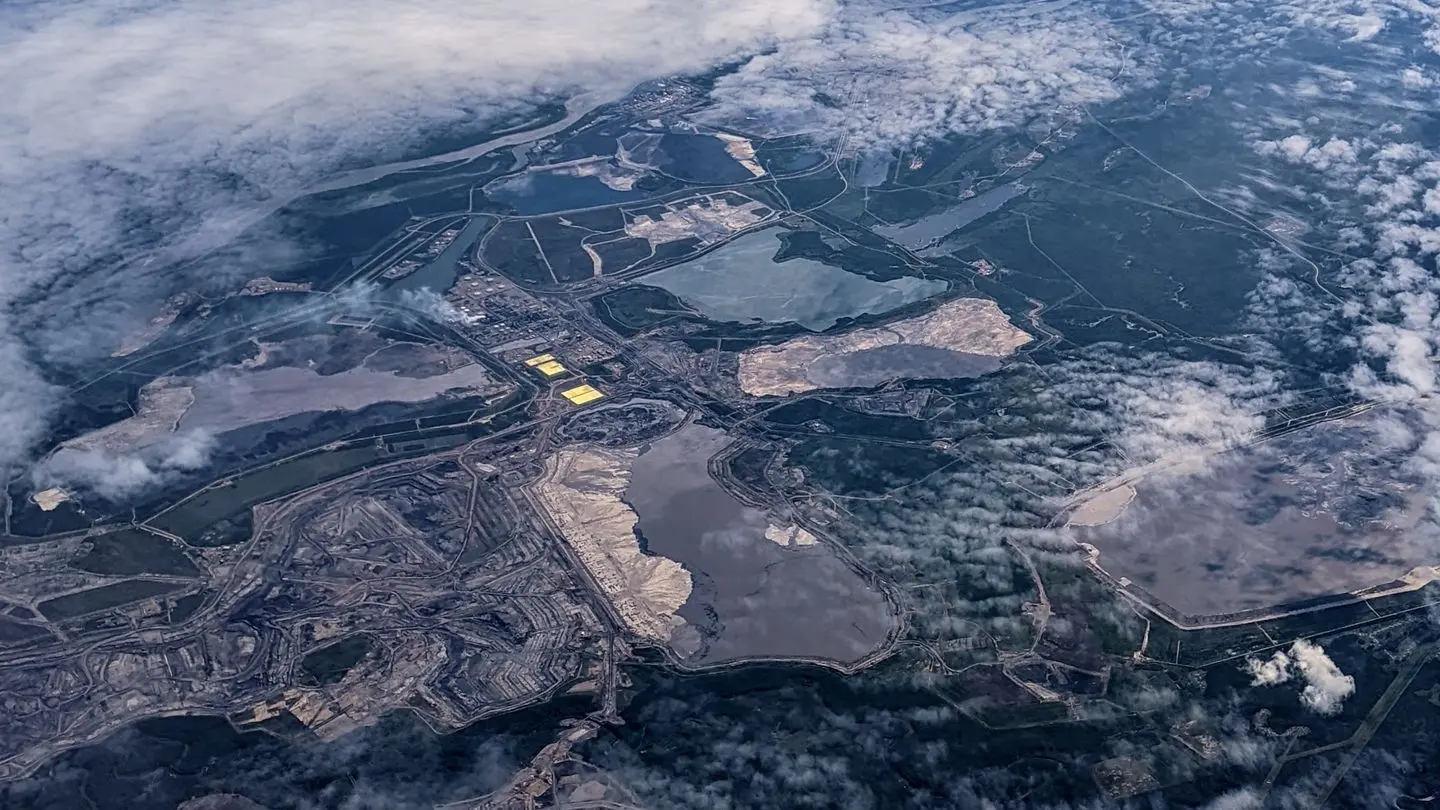
Crude oil links energy markets to currencies through trade, inflation and interest rates. How that works for the Canadian dollar, and why the link isn't fixed.
Why the currencies of big commodity exporters move with iron ore, dairy and oil prices, what each country actually exports, and when the link weakens.