What moves USD/CAD? Oil, rates and the BoC
USD/CAD has two masters: the oil price and the interest-rate gap between the Fed and the Bank of Canada. Here is how each channel works, which one leads, and how to read the tug-of-war.
USD/CAD is the commodity pair that never lets you forget the commodity. The Canadian dollar rises and falls with oil prices, while the pair's other side answers to the Federal Reserve — and the Bank of Canada sits in the middle, managing an economy caught between inflation and tariffs. The result is a pair with two channels that regularly pull in opposite directions, and a trader's job that is less about analysis than about knowing which channel is in charge.
This guide maps the two channels and their interaction. The trading framework is in the USD/CAD guide; the oil side is covered in depth in oil prices and the Canadian dollar.
Channel one: oil
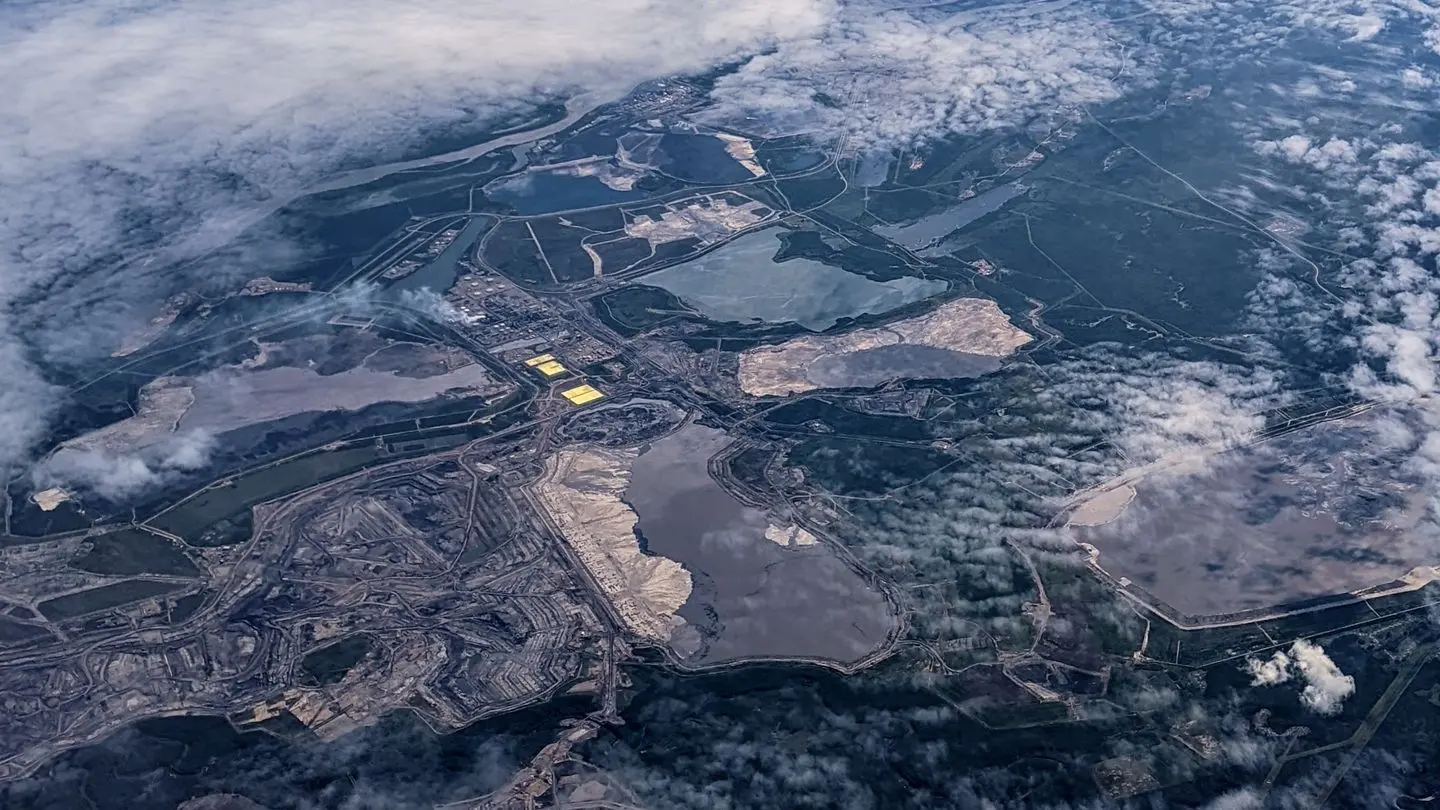
The oil channel is the loonie's oldest story. Canada is a major oil exporter, and oil is its most important export commodity. When crude rises, Canada's terms of trade improve, export revenues grow, and the loonie tends to strengthen — pushing USD/CAD down. When crude falls, the channel reverses. The relationship is strong enough to be famous and loose enough to trap traders who treat it as a law: the oil and CAD guide documents both the correlation and its breakdowns.
The current environment is the channel's live demonstration. Brent has traded above $100 a barrel since early September on shipping disruption around the Strait of Hormuz (report) — which on the oil channel alone supports the loonie — while the pair's other channel has been pulling the opposite way. The tug-of-war is the pair's current character, and it is exactly the situation the two-channel framework exists to read.
Channel two: rates
The rate channel is the interest-rate gap between the Federal Reserve and the Bank of Canada. When US rates — or their expectations — rise relative to Canada's, money flows toward the dollar and USD/CAD climbs. When the BoC's path strengthens relative to the Fed's, the loonie strengthens.
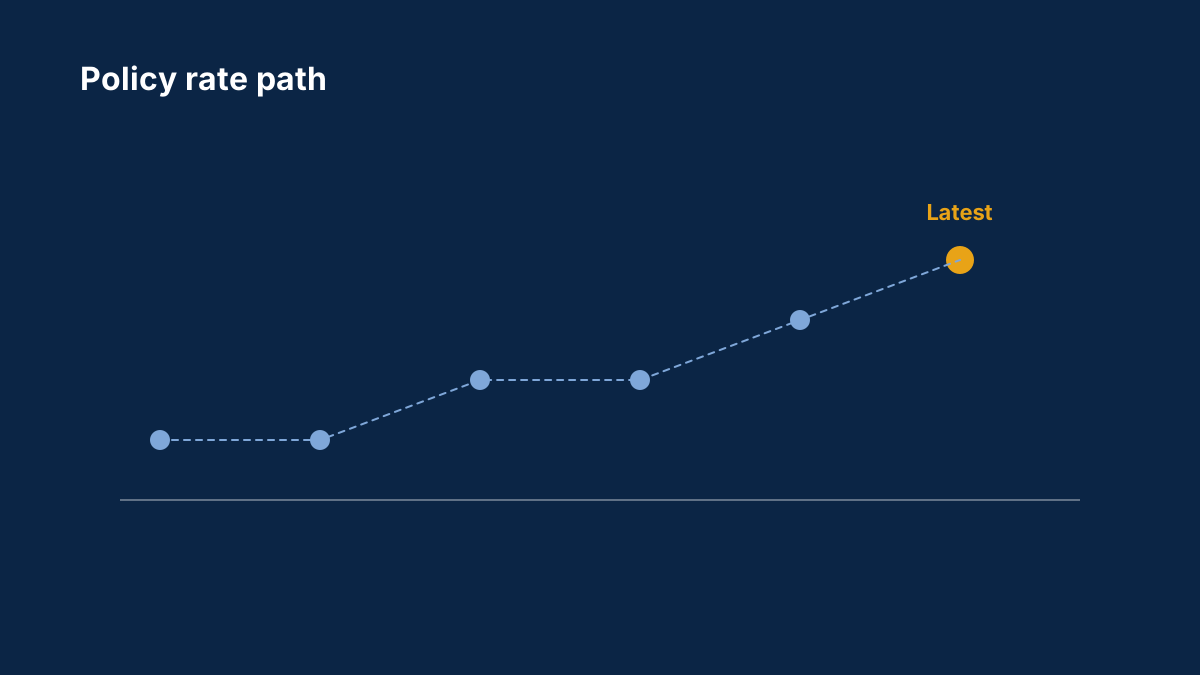
The BoC's position is genuinely difficult: it held its rate at 2.25% in September, citing fuel prices and US tariffs among the reasons (deliberations), while Canadian inflation holds at 3.0% (CPI report). The Fed, meanwhile, has just raised rates (report). The gap's widening in the dollar's favour is the rate channel pulling the pair up — the opposite of the oil channel's pull. How interest rate decisions move currencies covers the transmission.
The tug-of-war
The pair's practical puzzle is the interaction: when oil and the rate gap agree, the pair trends with conviction; when they fight — oil rising while the rate gap widens in the dollar's favour — the pair chops, and the chop is the disagreement made visible.
The read is made concrete by watching the pair alongside oil and the rate gap together:
- Oil up, gap steady: the oil channel leads, and the pair falls.
- Gap widening, oil steady: the rate channel leads, and the pair climbs.
- Both active, opposite directions: the chop is the fight, and the pair is untradeable until one channel wins.
- Both active, same direction: the pair's biggest trends — the rare alignment is the strongest signal the pair produces.
The multi-driver diagnostic in the EUR/USD explainer generalises the method to every pair with competing drivers.
The calendar that feeds both
The pair's calendar is two calendars. The rate channel's events: Fed decisions, US CPI and payrolls, BoC decisions, Canadian CPI, employment and GDP. The oil channel's events: OPEC meetings, the EIA's weekly inventories, and the supply headlines that never appear on any schedule. The economic calendar guide covers the scheduled side; the oil side demands the news feed.
The signatures to read
Each channel has its fingerprint:
Oil leading: the pair moving with oil's inverse — down when crude rises — and diverging from the other dollar pairs, which are trading the rate story instead.
Rates leading: the pair moving with the dollar's broader trend, in step with EUR/USD and the DXY, while oil is quiet or ignored.
The fight: the pair chopping in a range while oil trends and the dollar trends against each other — the chop itself is the signal that both channels are live and unresolved.
The practical read
The map compresses into a routine:
- Check oil first: the crude price, the inventory calendar and the supply headlines.
- Check the rate gap: Fed and BoC events on the calendar, and the pair's correlation with the DXY.
- Name the leading channel — oil, rates or the fight — and trade only the channel that is leading.
- On fight days, stand aside; the pair's chop is the disagreement, and forcing a trade into it is betting on a resolution nobody has.
- Size for the pair's oil-driven spikes: wider stops, smaller positions, the usual risk-first arithmetic from position sizing.
USD/CAD is two stories in one chart, and the traders who read both — oil's pull and the rate gap's — are the ones who trade it well. Name the channel, trade the leader, and the pair's famous tug-of-war becomes its most readable feature.
Sources
Common questions
Why does USD/CAD fall when oil rises?
Canada is a major oil exporter, so higher oil improves its terms of trade and strengthens the loonie, pushing the pair down. The link is strong but not mechanical — the rate channel can overpower it.
What is the rate channel in USD/CAD?
The interest-rate gap between the Fed and the Bank of Canada. A widening gap in the dollar's favour lifts the pair; a widening gap in the loonie's favour pushes it down.
What happens when oil and rates pull opposite ways?
The pair chops — the disagreement made visible. The chop lasts until one channel wins, and forcing trades into it is betting on a resolution nobody has.
Which data matters most for USD/CAD?
US CPI, payrolls and Fed decisions on the rate side; Canadian CPI, employment, GDP and BoC decisions on the loonie side; and the oil calendar — OPEC, EIA inventories and supply headlines — on the commodity side.
How do I know which channel is leading?
Watch the pair against oil and the DXY: moving with oil's inverse means oil leads; moving with the dollar's trend means rates lead; chopping while both trend against each other means the fight.
This article is for information only and is not financial advice. Trading forex and CFDs carries a high risk of losing money. Read the risk warning. Spotted an error? Tell the editors.
Comments
Log in to join the discussion. Comments follow the community guidelines.
Log in to commentLoading comments…