Swing trading or day trading: which suits your schedule and your nerves?
Day trading closes positions within the same session, while swing trading holds them for days or weeks. The schedule, the screen time and the tolerance for overnight risk all differ between the two. Carry trade explained describes a style that holds positions for longer, and shows what changes when a position carries an overnight interest charge or credit.
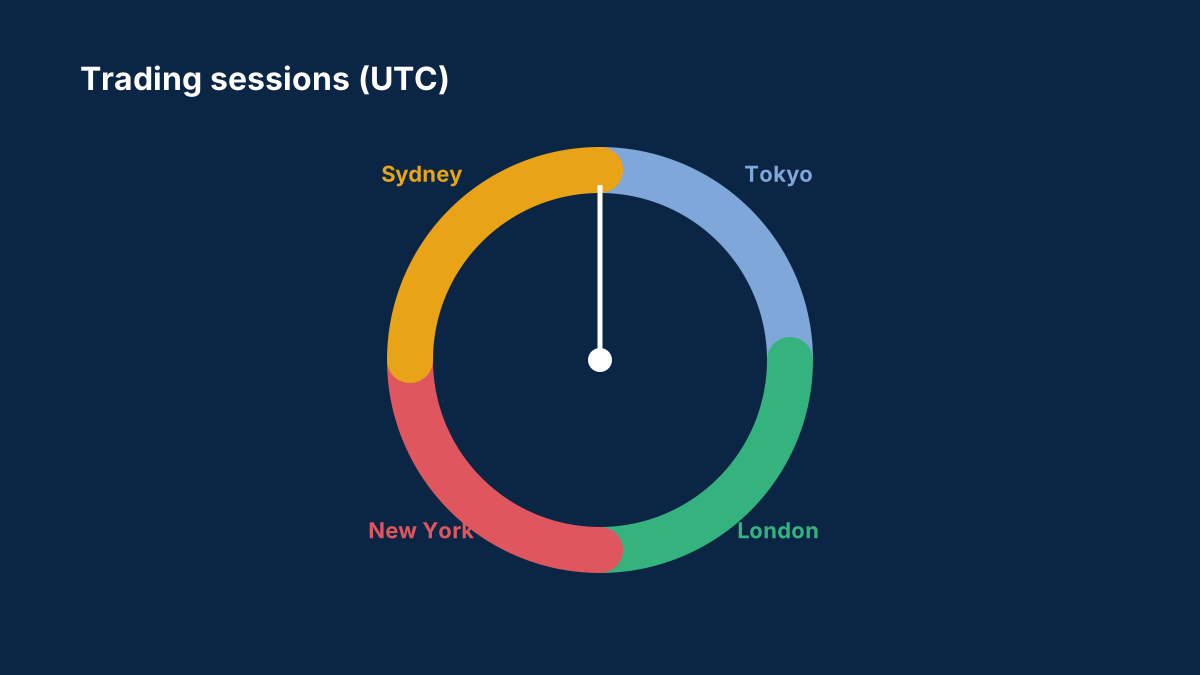
Members often choose a style by what they can fit into their day, and then discover what it asks of their attention and their nerves. A swing trader who cannot check a position in the evening, or a day trader who cannot be at a screen during the London open, will tend to break the plan. Market sessions explained shows when each major centre opens and closes, which is useful when you decide what time of day you can actually trade.
We would like to hear which you chose and why:
- Which style do you use, and how many hours a week does it take?
- What did you find hardest about the style you chose?
- Do you hold positions over news, and how do you handle the risk?
- What would make you change from one style to the other?
Please share your own approach and reasoning, not calls for others to copy. Posts that promise a direction or sell signals will be removed.
Background: Why carry trades unwind so violently
Carry trades earn steady yield for months and then collapse in days — and the collapse is structural, not accidental. Here is the mechanics of the unwind and why it hits every market at once.
What is a carry trade unwind?
The forced reversal of carry positions: traders sell the investment currency and buy back the funding currency, usually under margin pressure. The buying pushes the funding currency up and feeds further exits.
Why do carry trades collapse so fast?
Because the trade is crowded, and the exits feed themselves: each round of forced buying strengthens the funding currency, deepening losses and triggering the next round. The loop is self-reinforcing.
Comments
Log in to join the discussion. Comments follow the community guidelines.
Log in to commentLoading comments…