Do you calculate the pip value every time you trade, or trust the platform?
The value of a pip depends on the pair, the lot size and, for some pairs, the exchange rate. Many platforms show it, but traders who rely on the number without checking can misjudge their risk. Leverage and margin explained shows how lot size and margin connect to the amount at risk, which is the number a pip value turns into once it is multiplied out.
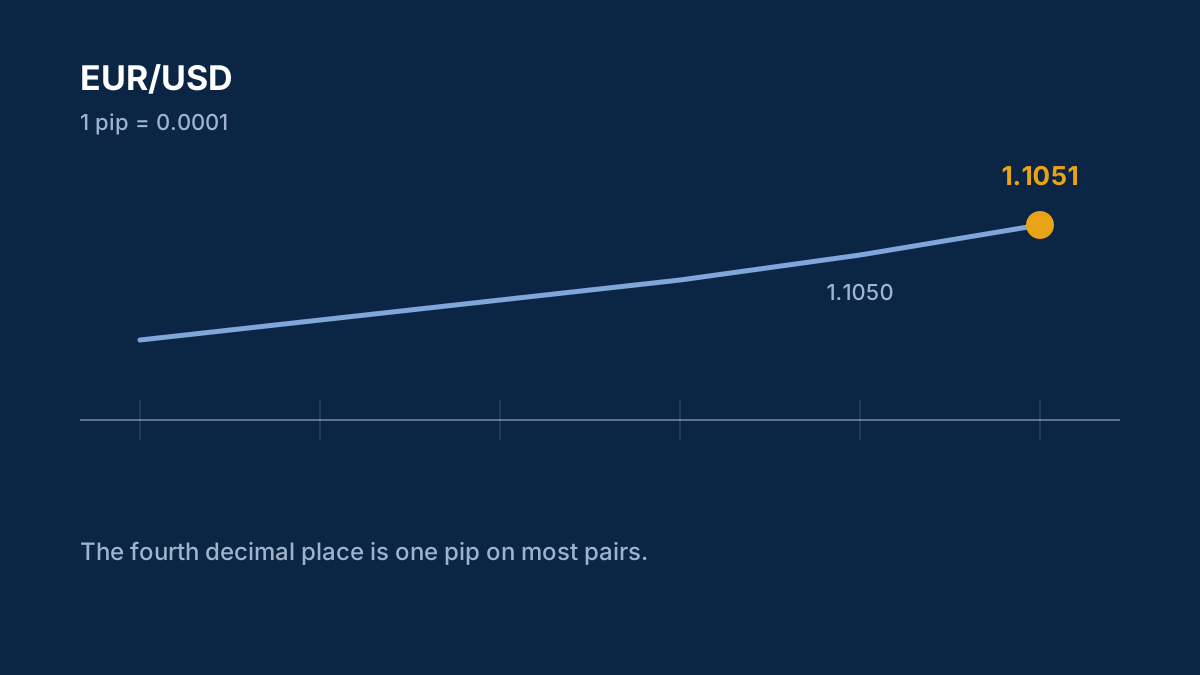
A pip is the standard unit of price movement for most pairs, and the same pip can be worth different amounts on different pairs and in different accounts. Members who calculate the value by hand before a trade tend to notice a wrong lot size sooner. The habit takes a few minutes and catches a common error, and it makes the stop distance easier to reason about, because you can see the cash amount behind each pip.
The question is whether you calculate it yourself before every trade, or check it only when something looks wrong:
- Do you calculate pip value by hand, or use a calculator or the platform?
- Which pair has caught you out because the pip value was not what you expected?
- How often do you check the lot size against the risk you intended?
- What would you tell a beginner about pip value?
Please share your own approach and reasoning, not calls for others to copy. Posts that promise a direction or sell signals will be removed.
Background: Leverage and margin explained: margin calls, stop-outs and how losses grow
Leverage lets you control a large position with a small deposit. It magnifies losses exactly as much as gains, and it is behind most blown trading accounts.
What does 30:1 leverage mean?
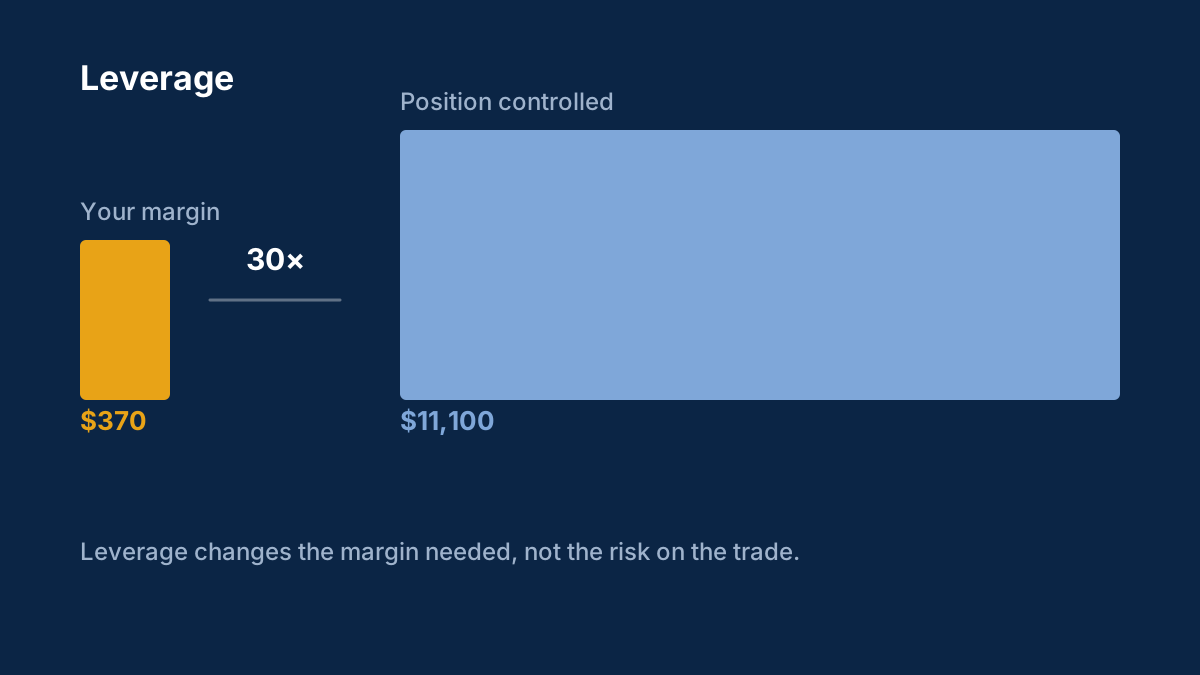
You can control a position 30 times larger than your margin deposit. $1,000 of margin opens a $30,000 position, and gains and losses are calculated on the full $30,000.
What is a margin call?
A warning from your broker that losses have reduced your margin level to a set threshold. If it keeps falling, the broker starts closing positions automatically, which is called a stop-out.
Comments
Log in to join the discussion. Comments follow the community guidelines.
Log in to commentLoading comments…