One bank holds, one bank hikes: what changes for the loonie-dollar pair?
On 28 October 2026 the Federal Reserve held its range at 3.75% to 4.00%, and the Bank of Canada raised its rate by 25 basis points to 2.50% on the same date (FOMC statement; Bank of Canada: key interest rate). That split is the reason to look at the loonie-dollar pair on its own, rather than as two separate stories about each currency.
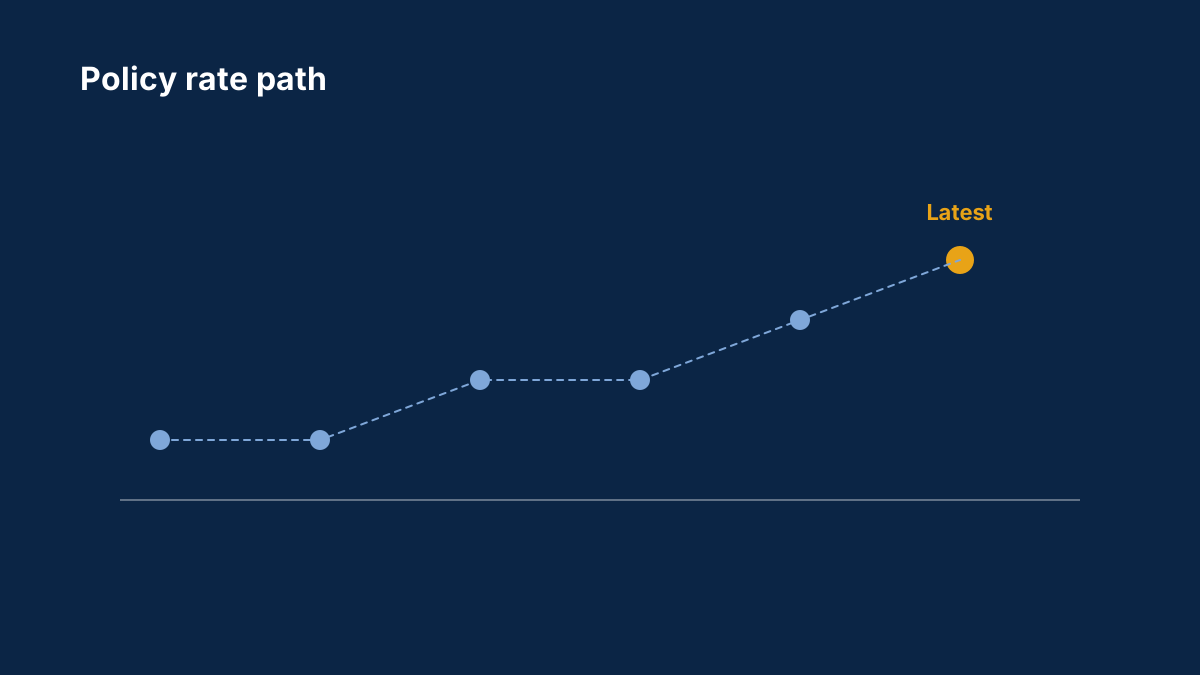
A hold in one country and a hike in another changes the interest rate gap between them, and rate gaps are a common driver of currency pairs. The gap is only one factor. The data for each economy, and the broader mood in markets, also reach the pair, so a rate change explains part of any move and not all of it. Carry trade explained covers how rate gaps are used in positions, which is the mechanism behind this pair's sensitivity.
We would like to hear your read:
- Which driver do you weight most for the loonie-dollar pair right now?
- Do you watch the rate gap, the commodity prices or the data first?
- When the two banks move in different directions, how do you size a position?
- Have you seen the pair follow the rate gap for a whole week? What happened next?
Please share your own approach and reasoning, not calls for others to copy. Posts that promise a direction or sell signals will be removed.
Background: Why carry trades unwind so violently
Carry trades earn steady yield for months and then collapse in days — and the collapse is structural, not accidental. Here is the mechanics of the unwind and why it hits every market at once.
What is a carry trade unwind?
The forced reversal of carry positions: traders sell the investment currency and buy back the funding currency, usually under margin pressure. The buying pushes the funding currency up and feeds further exits.
Why do carry trades collapse so fast?
Because the trade is crowded, and the exits feed themselves: each round of forced buying strengthens the funding currency, deepening losses and triggering the next round. The loop is self-reinforcing.
Comments
Log in to join the discussion. Comments follow the community guidelines.
Log in to commentLoading comments…