The ECB meets on 28 October after a September rate rise. What else do you watch?
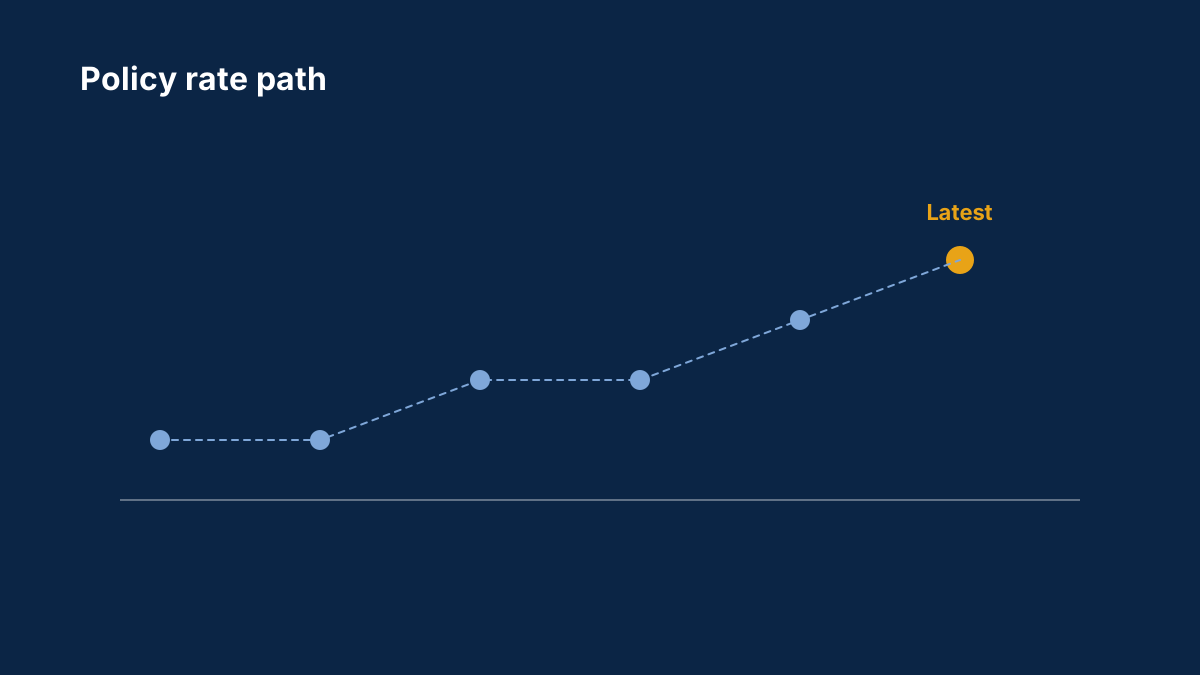
The European Central Bank starts its October meeting on 28 October, according to its published calendar (ECB calendar; preview). Its last decision, on 10 September, raised the three key ECB interest rates by 25 basis points (monetary policy statement).
A rate decision is one input. Euro area inflation, the flash PMIs and the euro's exchange rate all shape how the market reads the ECB's next step. The euro area inflation report for September and the flash PMI for October are the most recent inputs on the site.
We would like to hear your view:
- Which euro area release do you check first before an ECB decision: inflation, the PMI or the labour market?
- Do you read the statement's wording or the rate change more closely?
- Has a euro move ever reversed after an ECB decision for you? What happened?
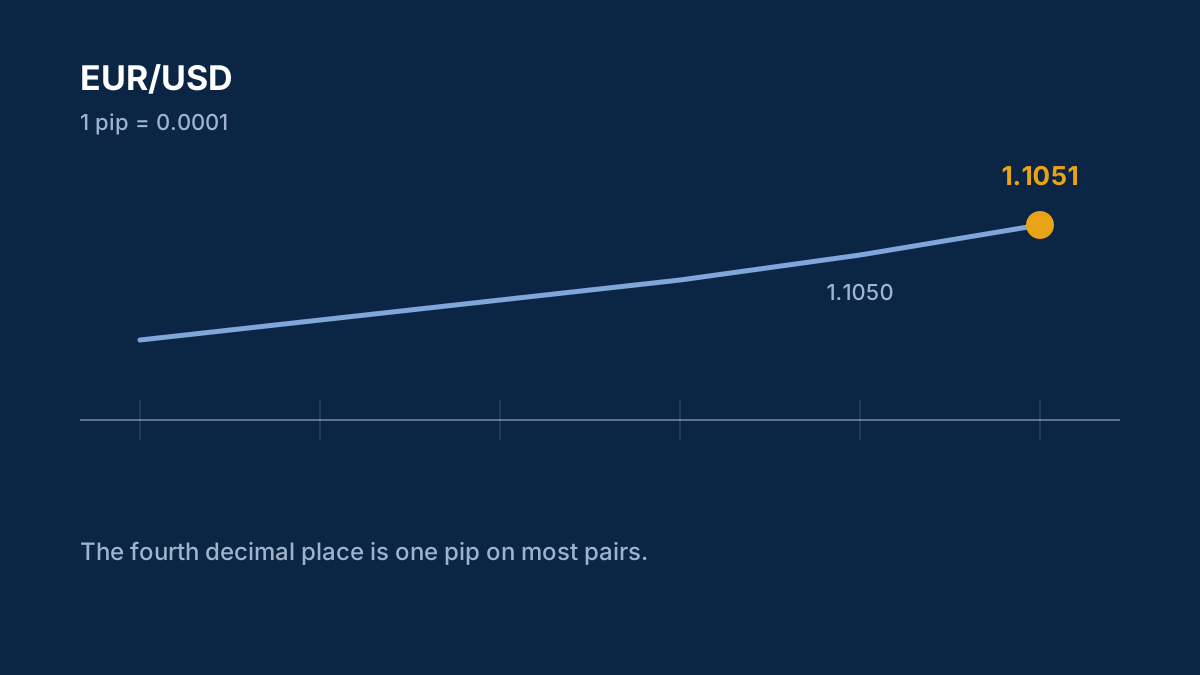
- Do you use EUR/USD or EUR/GBP to read ECB expectations, and why?
How inflation moves currencies explains the link between prices and exchange rates.
Please share your own approach and reasoning, not calls for others to copy. Posts that promise a direction or sell signals will be removed.
Background: How inflation moves currency pairs: the CPI transmission
Inflation is the input central banks watch most closely, which makes CPI the release that moves currencies most. Here is the transmission chain — from print to policy to price — and why the details beat the headline.
How does inflation affect currency prices?
Through central bank policy: higher inflation raises the odds of tighter policy, which attracts money and strengthens the currency. The chain runs from the print to the policy read to yields to the pair.
Why does the market react to the core CPI number?
Core CPI strips out food and energy, giving the cleanest read on underlying inflation. Central banks treat energy shocks as transitory, so the market's policy read focuses on the core measure.
Comments
Log in to join the discussion. Comments follow the community guidelines.
Log in to commentLoading comments…