German wholesale prices rose 8.7%. Do you follow the price pipeline through to consumer inflation?
Destatis reported on 14 October that German wholesale selling prices rose 8.7% on the year in September and 1.9% on August. Mineral oil products were 48.8% dearer than a year earlier (wholesale report). On 20 October, producer prices were up 6.7% on the year, with energy up 14.9% (producer price report).
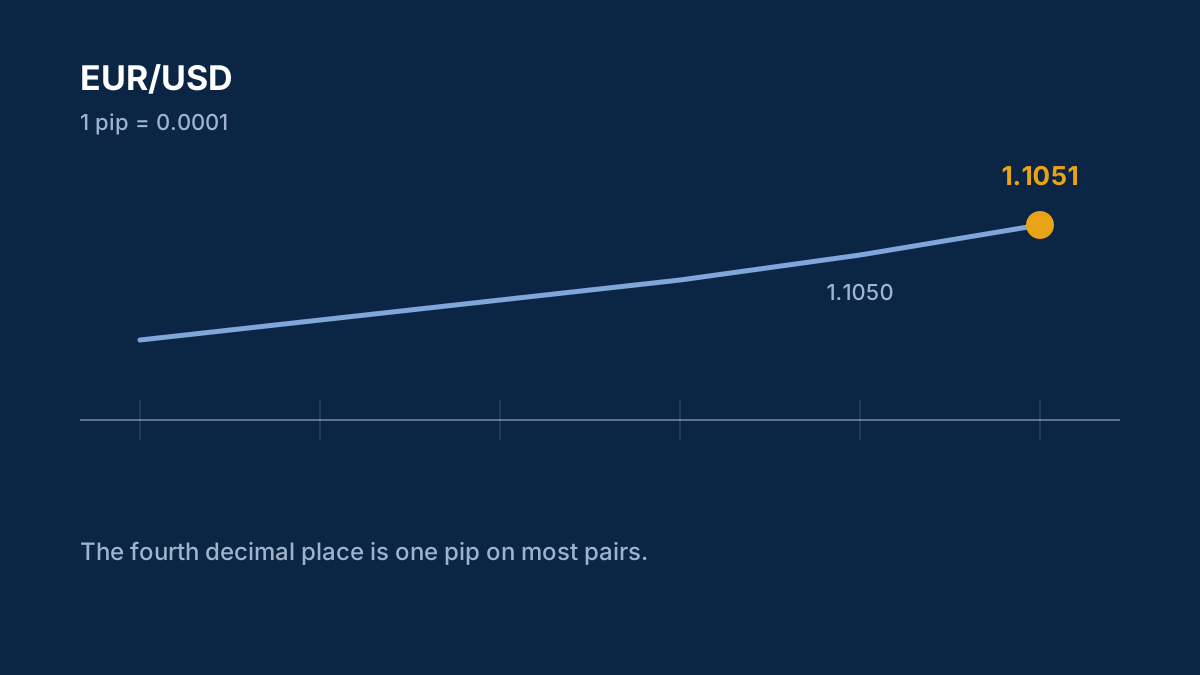
Wholesale and producer prices come before consumer prices in the supply chain, so they are often used as a pipeline indicator. The link is loose: retailers and manufacturers absorb part of a cost rise, and the timing varies from one product to another. Because each stage reports a different price measure, a move at one stage can take months to appear at the next, and some of it may never reach the shops.
We would like to hear how you use the pipeline:
- Do you follow wholesale prices into the consumer figure, and over how many months?
- When energy drives the pipeline, do you expect core inflation to follow?
- Which German figure do you trust most for the euro: wholesale, producer or consumer?
- Have you traded EUR on a producer price surprise, and what happened?
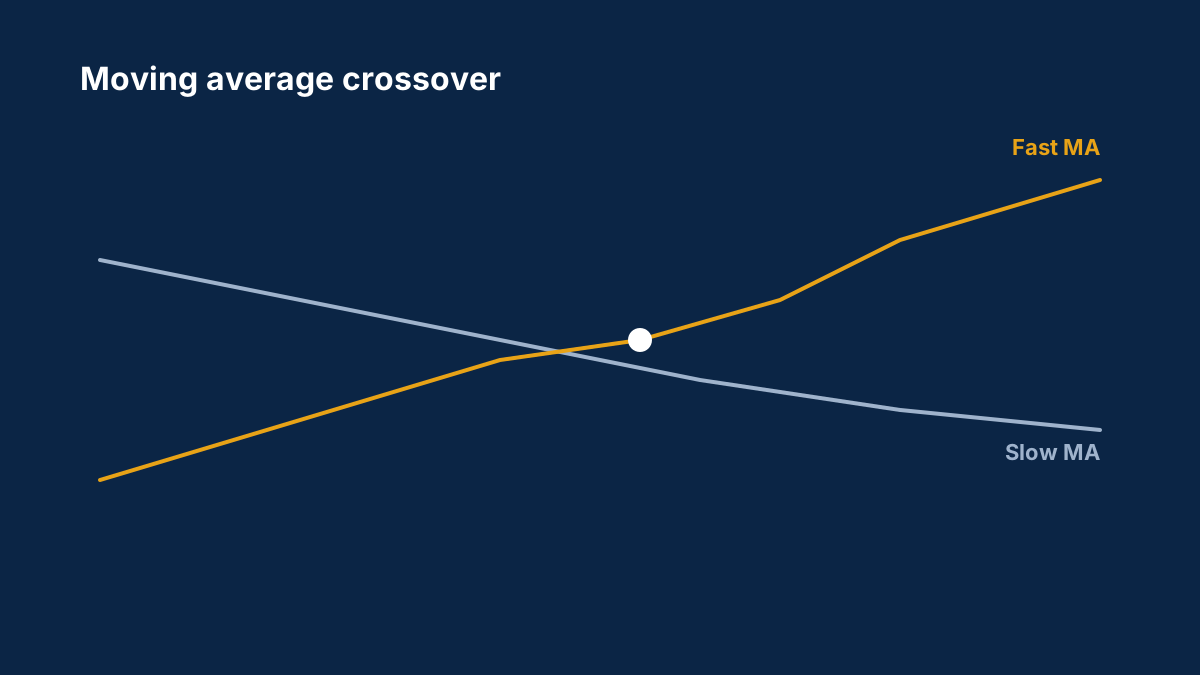
German inflation for September gives the consumer side, and how inflation moves currencies explains the channel to the euro.
Please share your own approach and reasoning, not calls for others to copy. Posts that promise a direction or sell signals will be removed.
Background: How inflation moves currency pairs: the CPI transmission
Inflation is the input central banks watch most closely, which makes CPI the release that moves currencies most. Here is the transmission chain — from print to policy to price — and why the details beat the headline.
How does inflation affect currency prices?
Through central bank policy: higher inflation raises the odds of tighter policy, which attracts money and strengthens the currency. The chain runs from the print to the policy read to yields to the pair.
Why does the market react to the core CPI number?
Core CPI strips out food and energy, giving the cleanest read on underlying inflation. Central banks treat energy shocks as transitory, so the market's policy read focuses on the core measure.
Comments
Log in to join the discussion. Comments follow the community guidelines.
Log in to commentLoading comments…