US employers add just 29,000 jobs in September, and July's payrolls are revised to a loss of 10,000
The unemployment rate rose to 4.2% from 4.1%, and the Bureau of Labor Statistics cut a combined 60,000 jobs from July and August. Average hourly earnings rose 0.1% and are 3.0% higher than a year earlier.
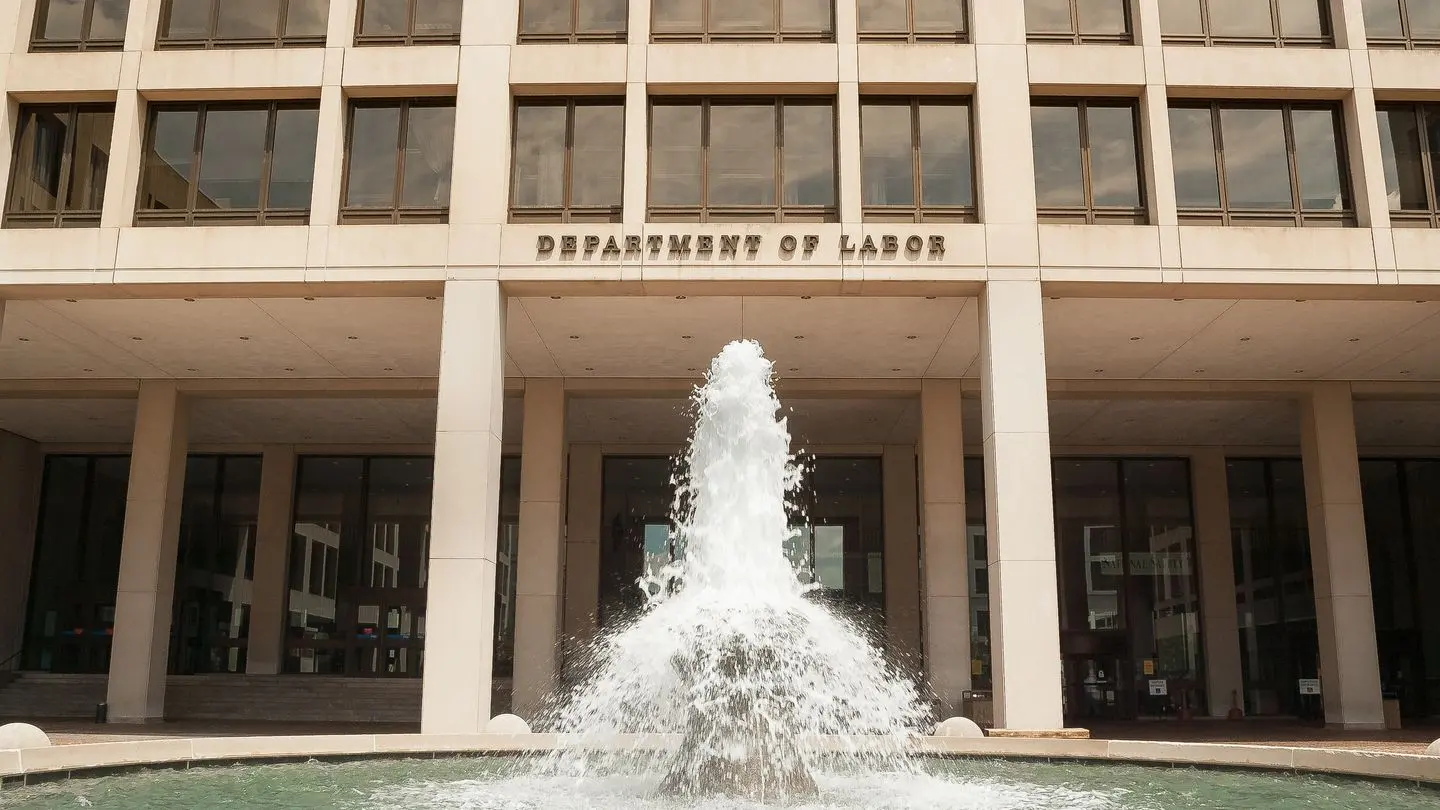
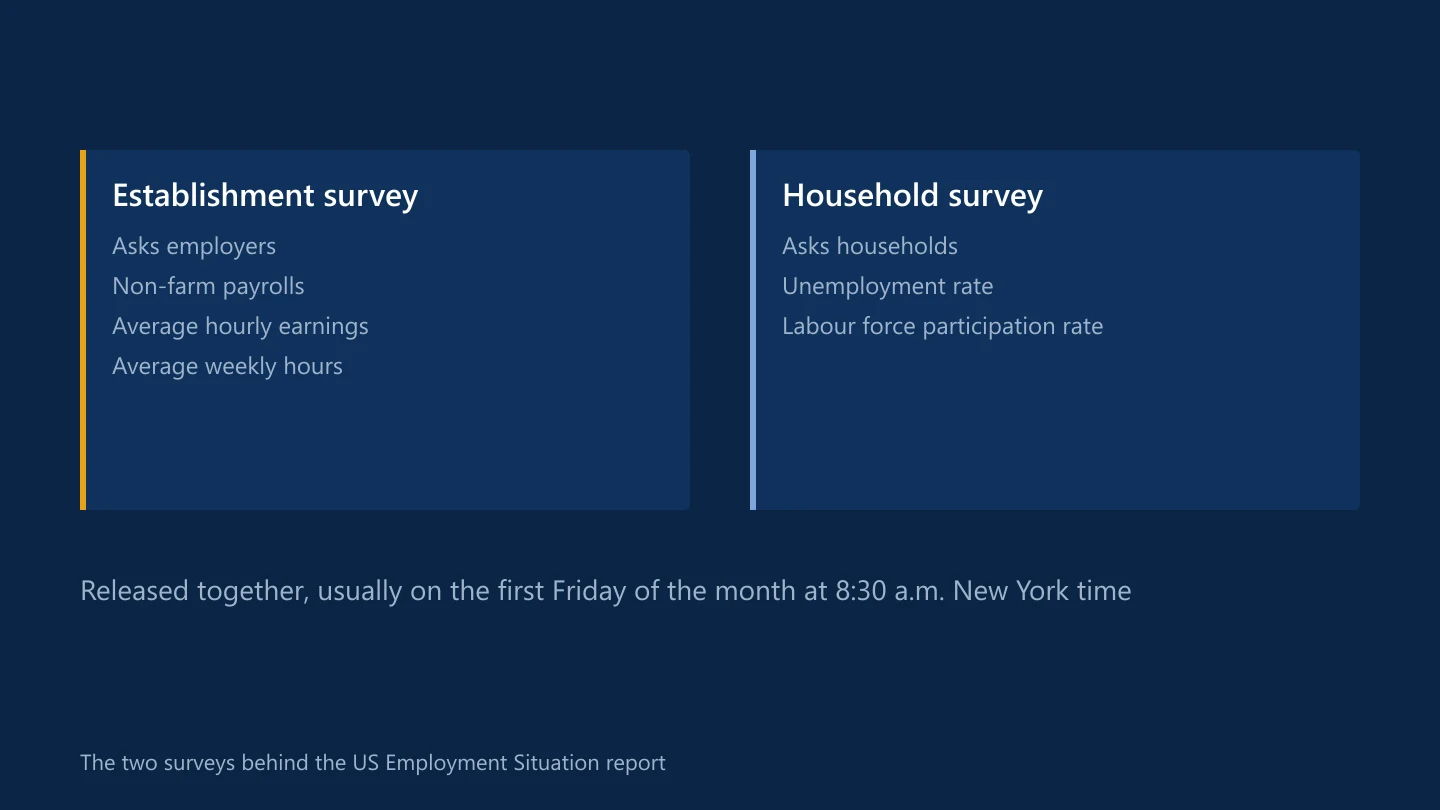
Total nonfarm payroll employment rose by 29,000 in September 2026, the Bureau of Labor Statistics said in its Employment Situation report on 2 October. The unemployment rate rose to 4.2% from 4.1% in August. Press reports of the release put expectations at about 84,000 to 90,000 jobs.
The headline figures
- Payrolls: +29,000
- Unemployment rate: 4.2% (August: 4.1%)
- Labour force participation rate: 61.8% (August: 61.6%)
- Employment-population ratio: 59.2%
- Average hourly earnings: up 5 cents, or 0.1%, to $37.81, and up 3.0% over the year (August: 3.1%)
- Average workweek: unchanged at 34.4 hours
The revisions
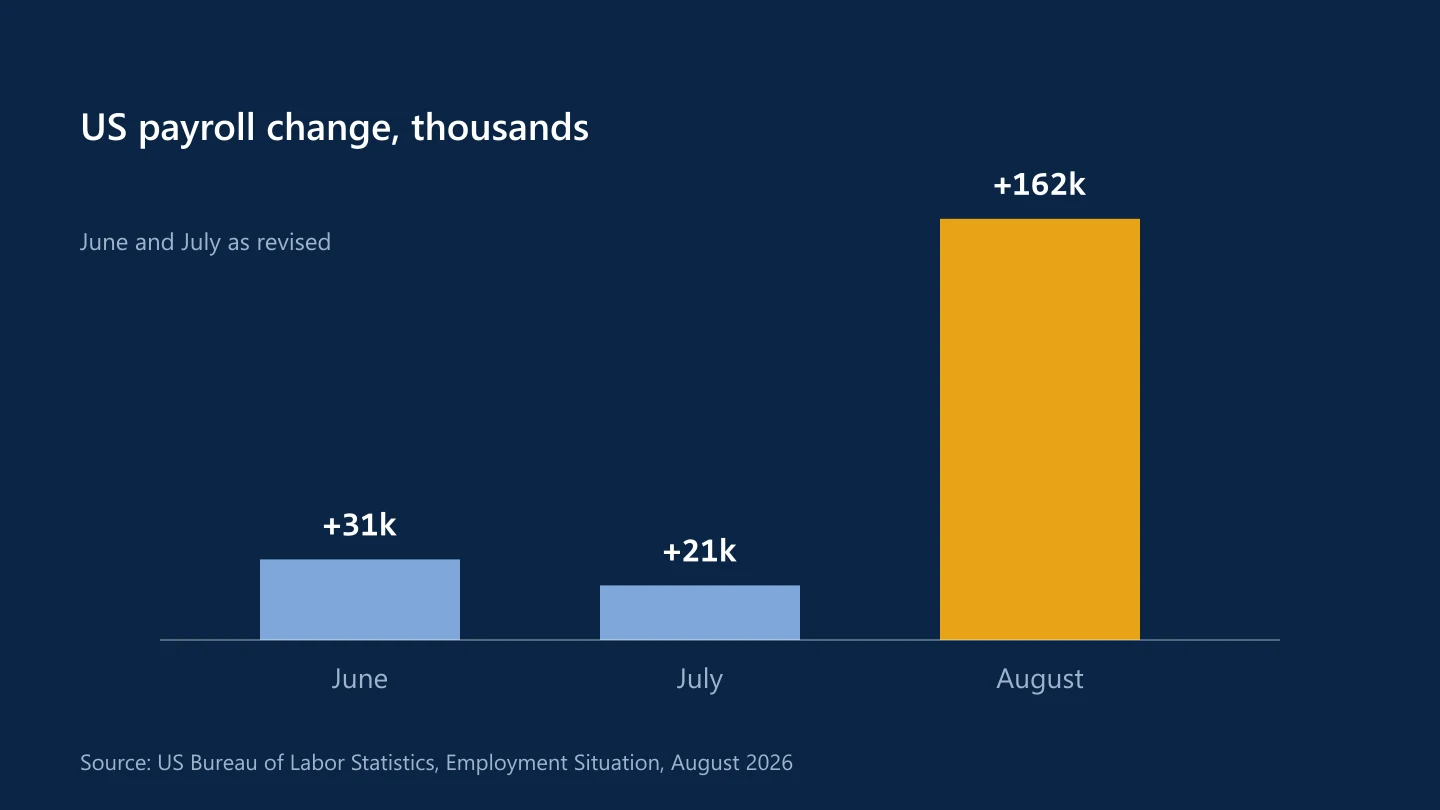
The BLS revised July down by 31,000, from +21,000 to −10,000, which means payrolls fell that month. August was revised down by 29,000, from +162,000 to +133,000 (August report). Together the two months are 60,000 lower than first reported.
Where jobs were added
- Health care: +17,000
- Construction: +11,000
- Manufacturing: +9,000
- Financial activities: −7,000
The unemployment rate rose even though the participation rate also rose, so more people were looking for work, not fewer people employed.
What it means for the dollar and the Fed
At its meeting on 16 September, the Federal Reserve raised its target range to 3.75%–4.00% and its median projection for the unemployment rate at the end of 2026 was 4.1% (report). The September figure is a tenth above that. On the day of the report, Treasury's par yield curve rates show the 2-year yield at 4.83%, from 4.78% the day before, and the 10-year at 5.28%, from 5.24% (yields report).
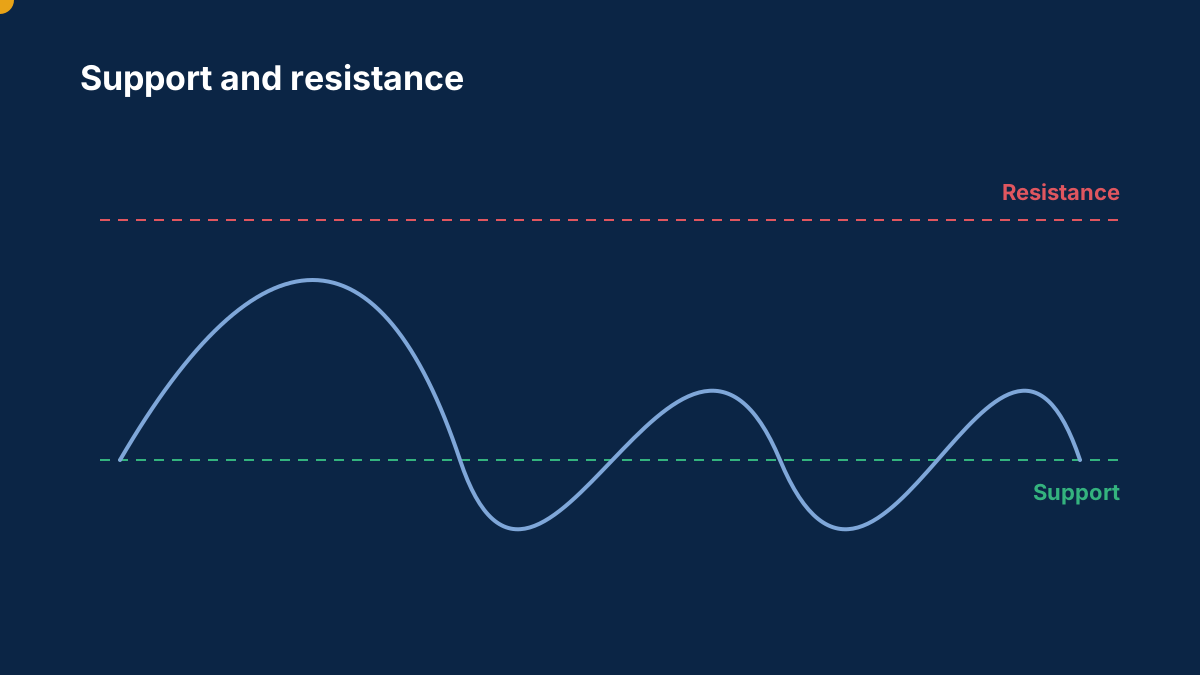
Traders usually look at the revisions and the unemployment rate alongside the headline, which is why a weak payrolls number does not always move the dollar the way the headline suggests (non-farm payrolls explained).
What happens next
September's consumer prices are due on 14 October and the Fed decides on 28 October. The next jobs report, for October, is on 6 November at 8:30 a.m. Eastern Time.
Sources
Common questions
How many jobs did the US add in September 2026?
29,000, according to the Bureau of Labor Statistics' Employment Situation report of 2 October 2026. The unemployment rate rose to 4.2% from 4.1%.
Were earlier months revised?
Yes. July was revised from +21,000 to −10,000 and August from +162,000 to +133,000, a combined reduction of 60,000 jobs.
Which industries added jobs in September 2026?
Health care added 17,000, construction 11,000 and manufacturing 9,000, while financial activities lost 7,000.
What happened to wages in September 2026?
Average hourly earnings rose 5 cents, or 0.1%, to $37.81, and were 3.0% higher than a year earlier.
When is the next US jobs report?
6 November 2026 at 8:30 a.m. Eastern Time, covering October.
Does a weak jobs report mean the Fed will cut rates?
Not by itself. The Fed raised rates on 16 September and weighs jobs against inflation, which was 3.4% on the PCE measure in August. Its next decision is on 28 October.
This article is for information only and is not financial advice. Trading forex and CFDs carries a high risk of losing money. Read the risk warning. Spotted an error? Tell the editors.

Comments
Log in to join the discussion. Comments follow the community guidelines.
Log in to commentLoading comments…