US jobless claims fall to 196,000, the lowest since July
Initial claims for unemployment benefits dropped 10,000 in the week ending 12 September, the Labor Department said, with the four-week average falling to 203,250.
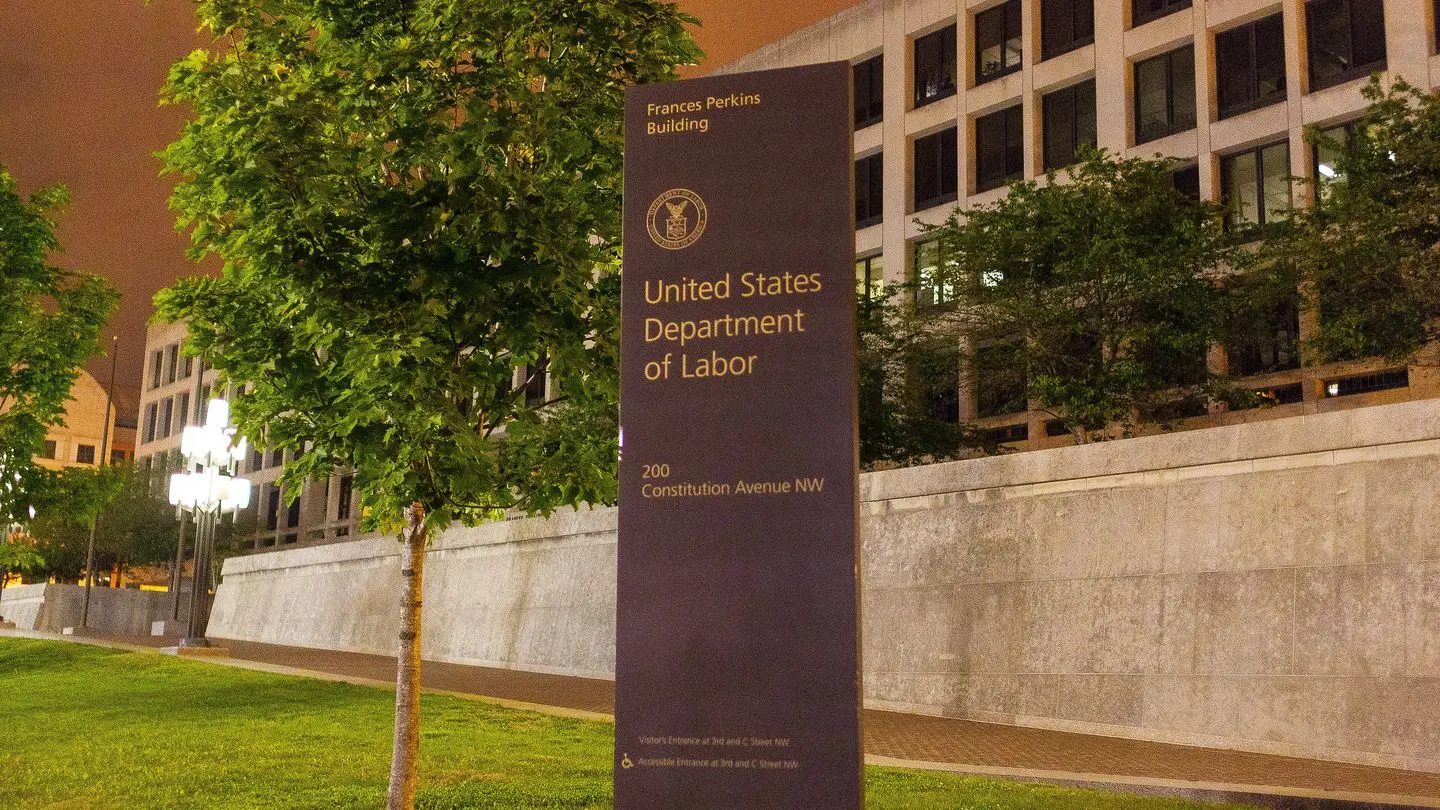
The US Department of Labor published its weekly unemployment insurance claims report on Thursday 17 September, covering the week ending 12 September 2026.
The figures
- Initial claims (seasonally adjusted): 196,000, down 10,000 from the previous week's unrevised 206,000
- 4-week moving average: 203,250, down 2,750
- Insured unemployment (week ending 5 September): 1,730,000, down 39,000, with the previous week's figure revised down 5,000
- Insured unemployment rate: 1.1%, down 0.1 percentage point
- Unadjusted initial claims: 152,286, down 24,630 (13.9%) from the previous week, and below the 195,433 claims filed in the comparable week of 2025
By state
The state-level detail in this release covers the week ending 5 September. The largest increases in unadjusted initial claims were in Michigan (+2,075, attributed to manufacturing layoffs) and California (+1,967). The largest decreases were in New York (−3,790, driven by fewer layoffs in transportation, warehousing, accommodation and food services, and educational services) and Kentucky (−778).
Why it matters
Weekly claims are the most current official read on the US labour market, arriving with only a few days' lag. A drop to 196,000, together with a lower four-week average, points to a labour market that's cooling only gradually, consistent with the "job gains have kept pace with the growth of the workforce" language in the Federal Reserve's 16 September statement, when it raised its target range to 3.75%–4.00% (report). August's payrolls report showed a similar picture, with 162,000 jobs added (report).
Claims are volatile week to week and difficult to seasonally adjust, so a single week's fall is rarely conclusive on its own. The next report is due 24 September. Live prices: EUR/USD.
Sources
Common questions
How many people filed for unemployment benefits in mid-September 2026?
196,000 initial claims, seasonally adjusted, in the week ending 12 September 2026, down 10,000 from the prior week, according to the US Department of Labor.
What does initial jobless claims mean?
The number of people who file a claim for unemployment insurance after separating from an employer, which asks the state to determine their basic eligibility for benefits. It is counted weekly and is an early signal of emerging labour market conditions.
What time are jobless claims released?
At 8:30 a.m. Eastern time on Thursdays, for the week that ended the previous Saturday. The 17 September 2026 release covered the week ending 12 September.
How accurate are initial jobless claims?
The first figure each week is an advance estimate that states revise the following week, and the series is volatile and hard to seasonally adjust, according to the Labor Department's own notes. The four-week average smooths out much of the noise.
How do jobless claims affect the dollar?
Lower claims point to a resilient labour market, which can support the dollar and Treasury yields by weakening the case for easier policy; a jump in claims does the opposite. A single week's move is usually small next to the monthly jobs report.
Is the US labour market weakening?
Weekly claims fell in mid-September 2026 and the four-week average also declined, which points to a labour market cooling only gradually rather than deteriorating sharply.
This article is for information only and is not financial advice. Trading forex and CFDs carries a high risk of losing money. Read the risk warning. Spotted an error? Tell the editors.
Related reading
Discussions on this topic
Comments
Log in to join the discussion. Comments follow the community guidelines.
Log in to commentLoading comments…