Which timeframe do you base your decisions on, and how do the others fit in?
Charts come in many timeframes, from one minute to one month. Traders usually pick one as their main timeframe for decisions, and use a higher or lower one for context or timing. Choosing the wrong one can make a plan look good on one chart and poor on another, and the mismatch often shows up only when a trade is already open. How to trade the news covers how the timing of a release affects the timeframe you should watch, since a release can dominate one chart and be invisible on another.
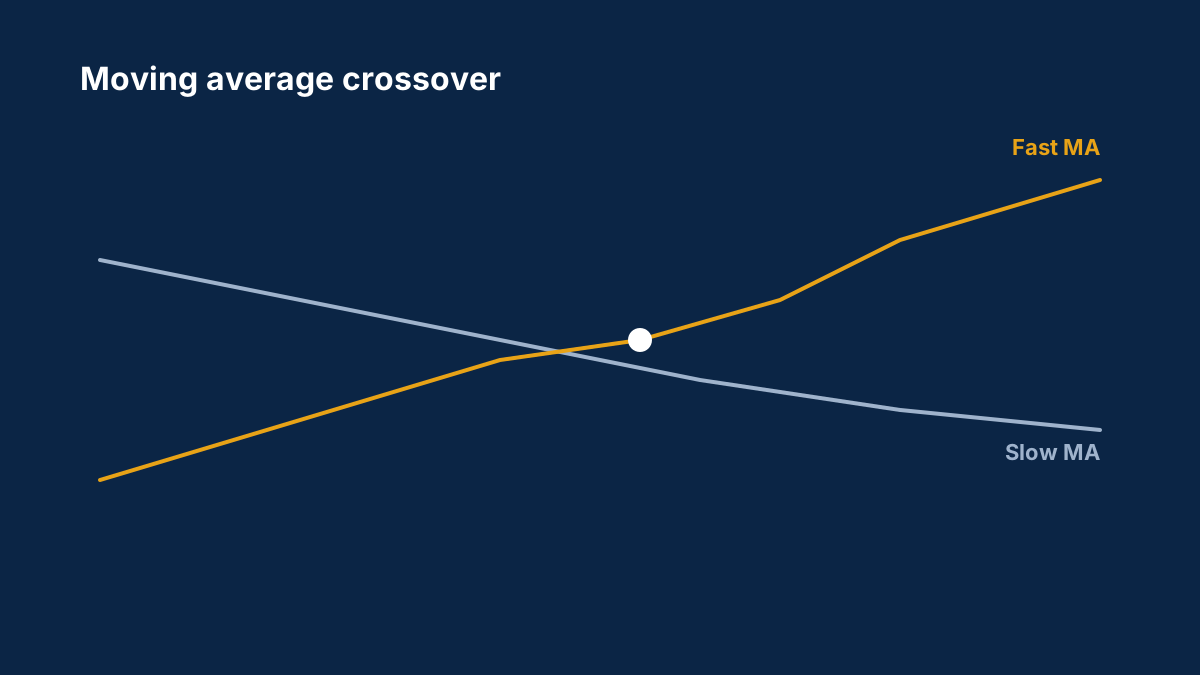
Members who are new to charts often open several timeframes at once and then cannot say which one the trade came from. A practical habit is to name the main timeframe before the trade and to write down which higher timeframe confirms the direction. The question is which timeframe you decide on, and how the others fit around it.
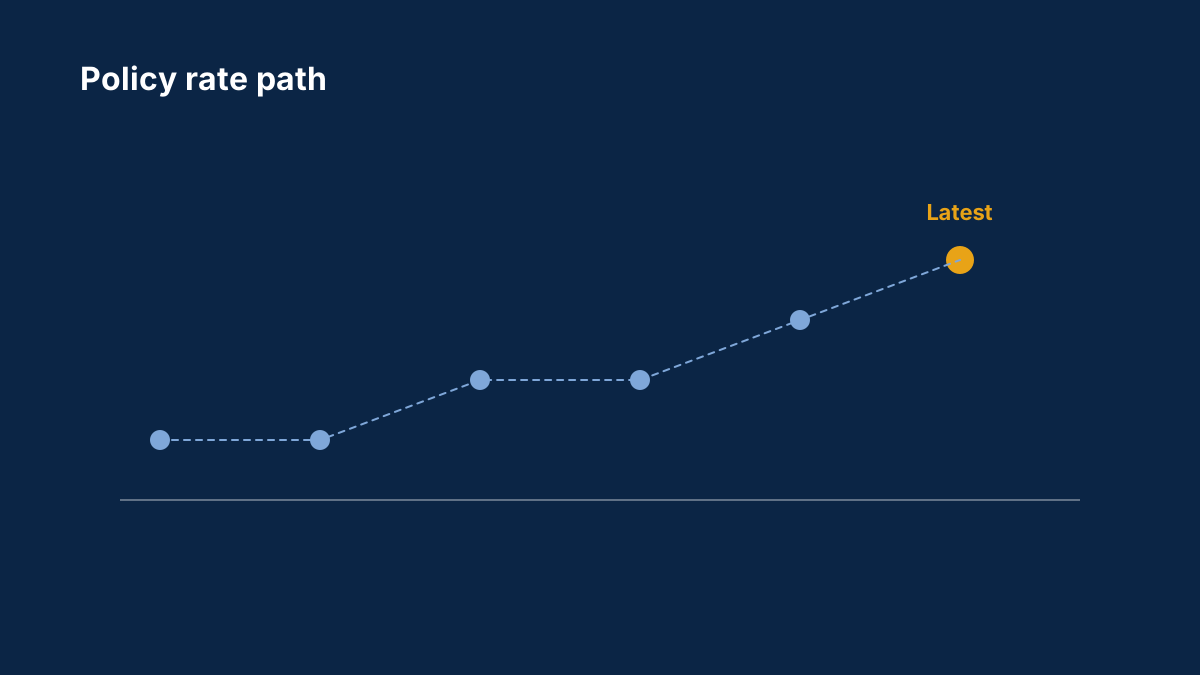
We would like to hear how you set it:
- Which timeframe do you base your decisions on, and how did you choose it?
- Do you check a higher timeframe before you trade on a lower one?
- Has a timeframe mismatch ever cost you a trade?
- How does your timeframe change around a central bank decision?
Please share your own approach and reasoning, not calls for others to copy. Posts that promise a direction or sell signals will be removed.
Background: How to trade the news: a step-by-step strategy guide
News moves currency pairs faster than anything else in the market. Here is how to trade news releases with a plan, not a prayer — including the releases that matter, the risks around the release minute, and three strategies that respect both.
What is the best news to trade in forex?
The releases that consistently move currencies are US CPI, non-farm payrolls and Fed decisions for the dollar, CPI and Bank of England decisions for sterling, ECB decisions for the euro, and Bank of Japan decisions for the yen.
Should beginners trade the news?
Most beginners are better off reducing positions before high-impact releases and learning to trade the aftermath first. The release minute itself has widened spreads and fast reversals that punish inexperience.
Comments
Log in to join the discussion. Comments follow the community guidelines.
Log in to commentLoading comments…